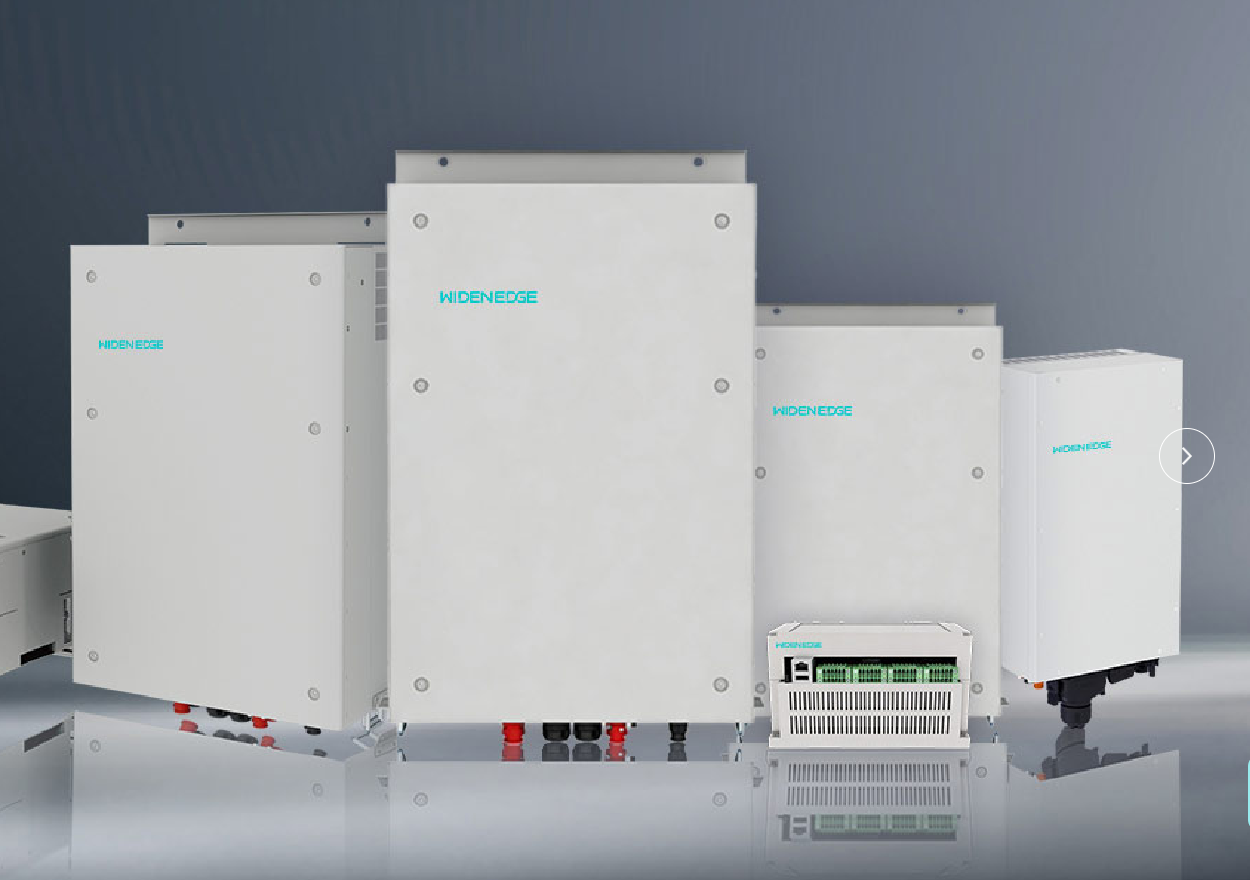
Why you oughta care — plain and practical
If you run a remote shop, lodge, or light industrial site and you’re weighing electric options, a 60 kW off-grid PV inverter is the kind of backbone that keeps lights on and machines humming without a utility line. Folks often pair it with a diesel battery (hybrid power system) for longer runtimes or higher reliability. This piece looks at what that inverter actually does for you, how it’s sized, and what to watch out for so you spend money once and avoid fiddling with the gear every week.
What a 60 kW inverter delivers for users
You get three straightforward things: steady AC power for your loads, managed charging and discharging of batteries, and a safety net for variable solar input. For most small commercial sites that means powering HVAC, refrigeration, lighting and small motors. A 60 kW unit hits a sweet spot — big enough to carry a modest commercial load but small enough to be affordable and maintainable by local techs.
How it works, step by step — no fluff
Think of the inverter as the traffic cop. Solar panels produce DC. Batteries store DC. Your equipment runs on AC. The inverter converts DC to grid‑grade AC, while controllers inside decide where power should flow: straight to loads, to batteries, or limited back to solar when the battery’s full. Smart inverters include MPPT (maximum power point tracking) so the panels punch their highest output, and they run in a grid‑forming mode to hold voltage and frequency steady for the whole site.
Key components you’ll see in a typical setup
Here’s the practical kit you’ll plan for:
- PV array sized to daily demand and sun hours.
- 60 kW off‑grid inverter with MPPT and battery management interface.
- Batteries sized for autonomy — hours or days depending on mission.
- AC distribution panel, breakers, and surge protection sized for 60 kW peak.
- Optional diesel generator or controller if you need long‑term backup.
Sizing rules that actually save time and money
Start with your critical loads and their duty cycles. Don’t average the fridge and water pump together — time the pumps, check start currents, and plan for motor inrush. For a commercial site, a typical rule is to size the inverter a bit above your peak continuous load (10–20% headroom) and size battery energy for the hours of autonomy you need, not just the daily deficit. Keep cabling losses and ambient temperature in mind; hot equipment delivers less power.
Common mistakes folks make — so you don’t
Most headaches come from small oversights:
- Undersizing for motor start currents — motors demand several times their running amps at startup.
- Ignoring battery charge strategy — wrong voltages shorten battery life fast.
- Placing the inverter in hot, dusty locations — it’ll throttle or fail sooner than you expect.
- Skipping firmware updates and commissioning checks — those fixes improve stability and safety.
How a 60 kW inverter stacks up against alternatives
Compare to a diesel genset: inverters give quieter, cleaner power and lower operating fuel costs, but gensets hold the edge for indefinite runtime under heavy loads unless you pair them. Compare to a larger centralized inverter: modular 60 kW units are easier to service and scale in parallel. Many operators settle on a hybrid approach, using a hybrid power system that blends PV, batteries and a generator for reliability and lower lifecycle cost.
One real example that teaches a lot
After Hurricane Maria, microgrid projects in Puerto Rico showed how hybrid systems behave under stress: solar gives fuel‑free energy in daytime, batteries smooth the swings, and a backup diesel fills long‑term gaps. Installations that used appropriately sized inverters and clear charge control rules kept critical services running with fewer outages. That on‑the‑ground experience pushed manufacturers and installers to focus on commissioning and maintainability — the things that keep systems working for years, not just months.
Quick checklist before you buy or install
Ask for these from any vendor or installer: site load profile, start‑up current measurements, inverter DER settings (voltage/frequency droop, grid‑forming), battery chemistry and cycle life specs, cooling needs, and a commissioning report with protection settings. Insist on training for your maintenance crew — that’s where most long‑term reliability gets made or lost.
Wrap-up: what this means for your operation
If you need steady, commercially useful off‑grid power without daily generator runs, a 60 kW off‑grid PV inverter is a focused, maintainable solution. Plan for motor starts, battery care, placement and commissioning, and you’ll get years of reliable service. For sites that aim to blend solar, storage and backup simply and professionally, working with teams that know both equipment and field realities pulls the pieces together naturally — just like the practical projects I’ve seen delivered by WidenEdge.