Problem: uneven edge quality and lost local orders
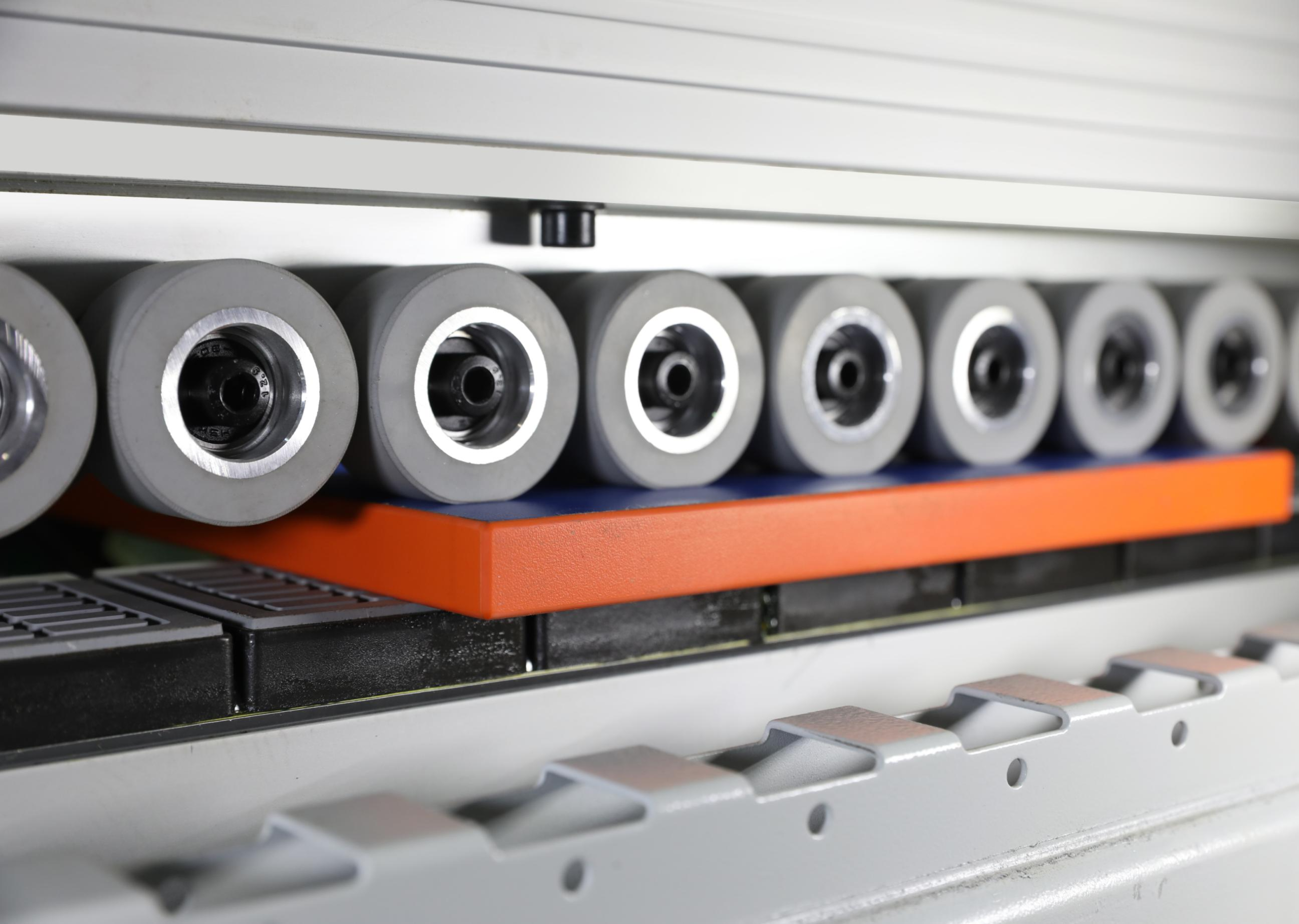
Regional shops often confront two clear problems: inconsistent edge quality that triggers rework, and cycle times that can’t compete with larger facilities. At IWF in Atlanta, exhibitors showed how targeted automation addresses both issues; machines such as a servo edge banding machine shorten setup time and improve finish, while demonstrated models like the wood edging machine focus specifically on repeatable glue application and trimming. These problems are solvable, but they need a methodical approach rather than ad hoc purchases.
Step-by-step: adopt woodworking CNC without the guesswork
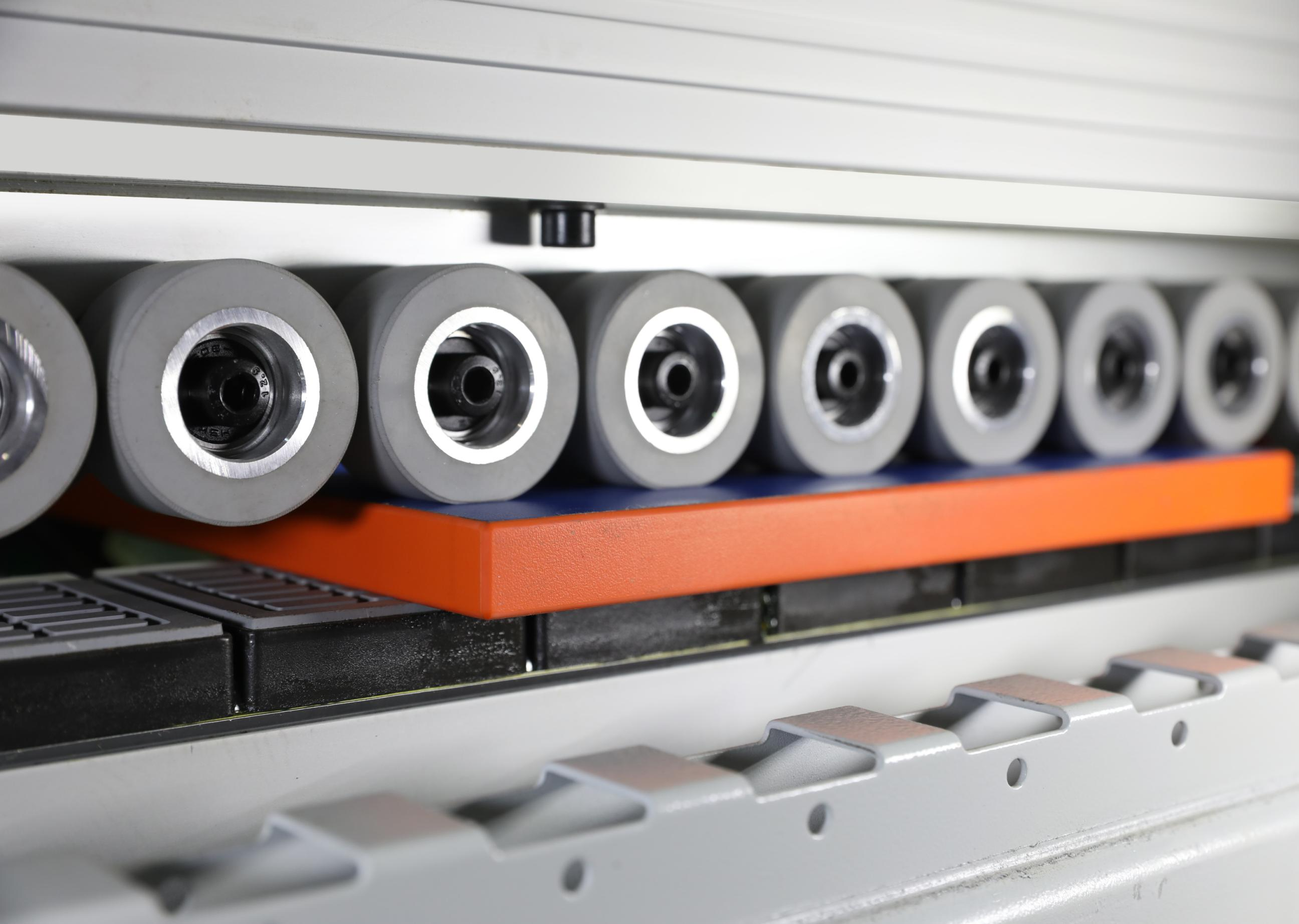
Step 1 — define the outcome: list the tolerances, edge materials, and daily throughput you need. Step 2 — match machine capabilities to that list: check feed rate range, glue type compatibility, and trimming precision. Step 3 — verify software and file flow: confirm the CNC accepts your CAD/CAM format or that a simple post-processor exists. Step 4 — plan shop layout and dust control before delivery so installation doesn’t stall production. Step 5 — train one operator intensively and one backup; cross-training prevents single-point failures. Follow these steps and the machine becomes a predictable tool, not an expensive experiment.
Common mistakes and corrective actions
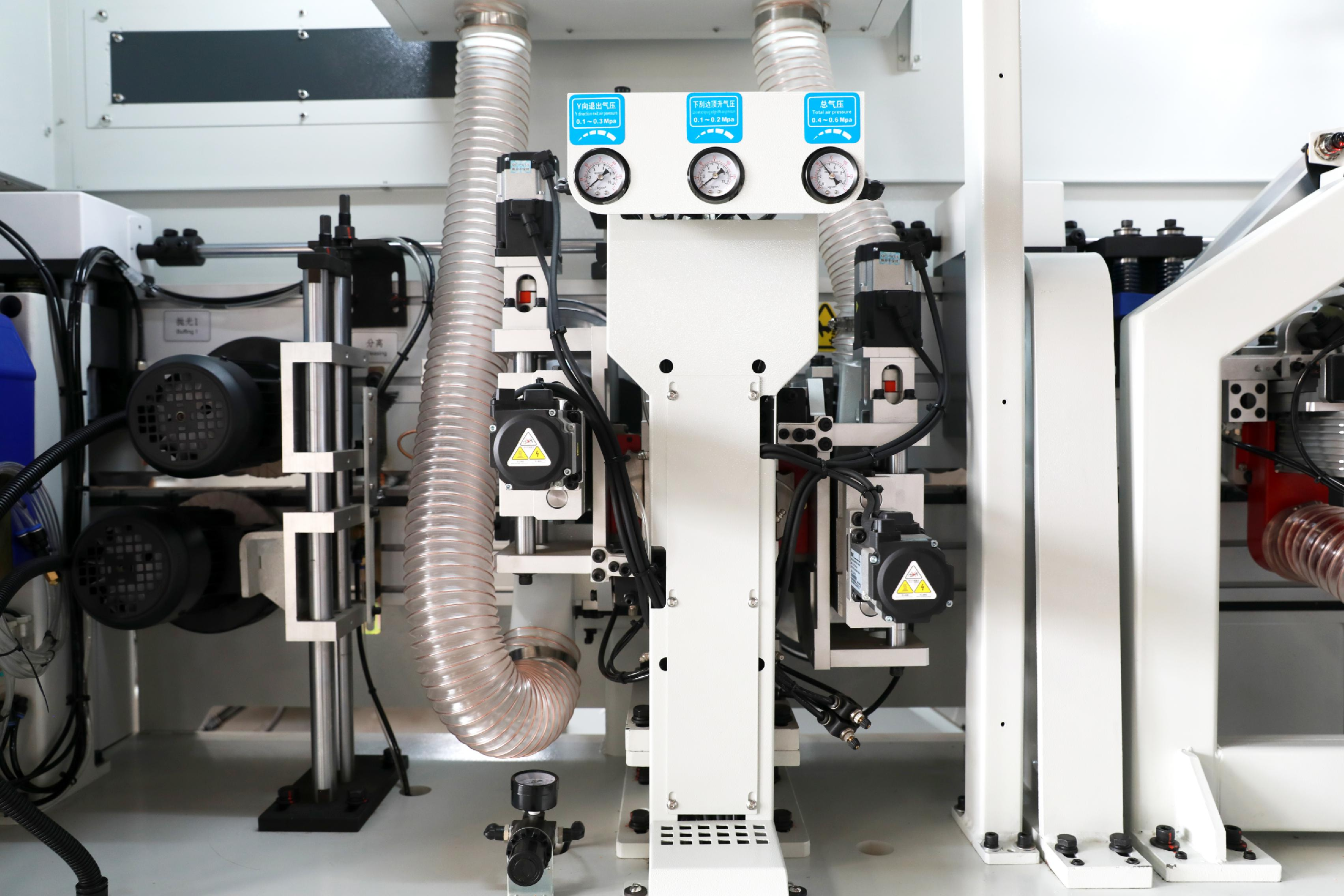
Mistake — buying on price alone and getting a machine with unstable glue stations. Fix — require a test run on your material before purchase. Mistake — assuming default feed rates are safe for every board type. Fix — run calibrations and record rate/material pairs. Mistake — neglecting maintenance schedules; belts, sensors, and adhesive pumps wear. Fix — set weekly checks and keep a small spare-parts kit on hand. Mistake — skipping operator training. Fix — document key procedures and run monthly refreshes. Each mistake adds hours of rework; each fix removes them.
Alternatives and realistic trade-offs
Manual edging keeps capital low but limits throughput and yields variable seams. Outsourcing gives short-term relief but erodes margin and control. Low-cost hobby machines can cut prototypes but fail under multi-shift demands. A purpose-built edging unit sits between those extremes: higher initial cost, predictable output, measurable labor savings. Choose based on a five-year run-rate: if order volume rises above prototype levels, investing in dedicated CNC edging almost always pays back in fewer rejects and faster lead times.
Synthesis: practical value and partner fit
Resolve the problem by treating edging as a system: select equipment that meets your specs, install with proper utilities and dust control, train operators, and maintain a strict calibration log. That approach turns edge work from a bottleneck into a reliable process, and many regional shops find a consistent partner in HUAHUA CNC when they need machines matched to real shop demands rather than headline specs.