Immediate comparison: what your venue really needs
The stadium environment demands choices grounded in sightlines, durability, and audience scale, so start by comparing how different options perform under real use. A close-up pixel pitch determines clarity for fans near the field, while overall display size and cabinet design shape distant legibility. For a quick baseline, inspect a led panel sample in daylight and at night to feel the contrast and uniformity; that sensory check often separates good engineering from mere marketing hype.
Brightness, pixel pitch and viewing geometry
Brightness (measured in nits), pixel pitch, and viewing angle form the spine of any comparison. Outdoor stadiums commonly need 5,000 nits or more to resist sunlight washout and preserve color saturation. Smaller pixel pitch (tighter pixels) yields finer detail for broadcast camera capture, but costs rise and maintenance becomes more intricate. Evaluate trade-offs side by side: a 4mm pixel pitch cabinet will look sharp from the stands but may be overkill for a scoreboard meant primarily for fans farther away. Include refresh rate in your checklist to avoid camera flicker during broadcast—this is a practical integration point, not an abstract spec.
Mechanical integration and environmental resilience
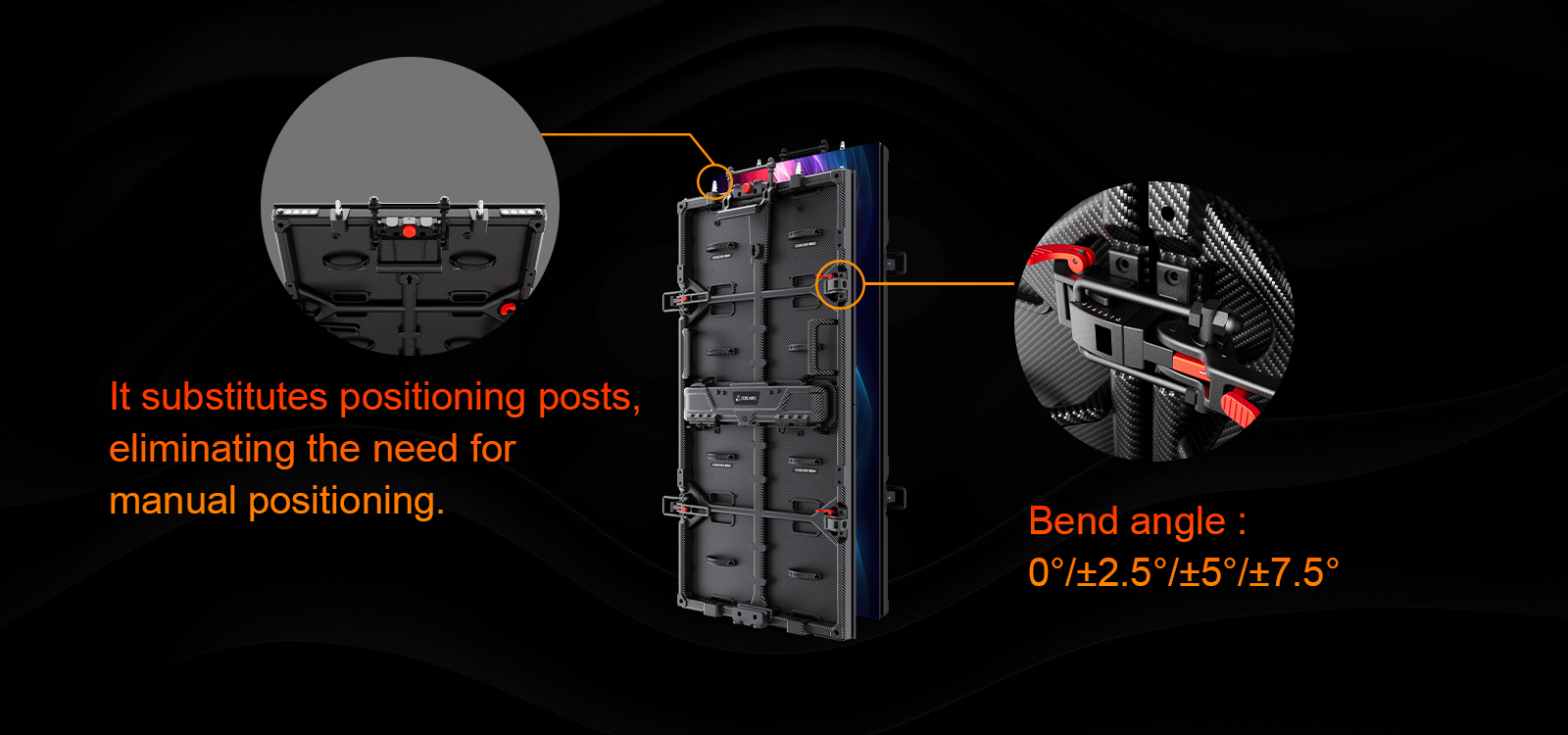
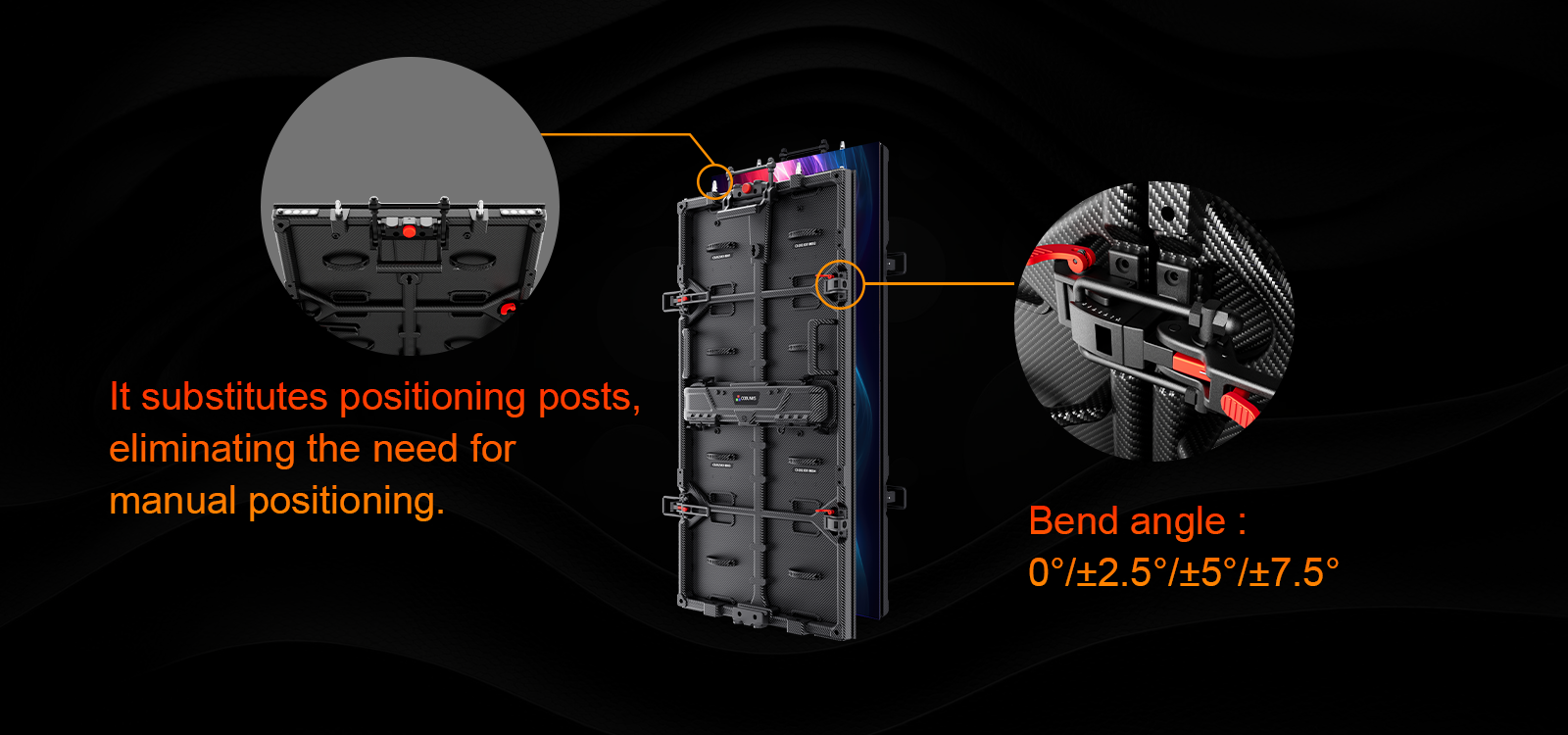
Compare mounting systems and cabinet construction next. Robust steel frames, ventilation paths, and IP-rated seals distinguish long-lived installations. Look for modular LED modules that allow front or rear service access—this affects downtime and labor costs. Don’t skip the enclosure details: an IP65 rating protects against jets of water but the exact gasket arrangement and drainage channels determine real-world reliability. Consider wind load and maintenance lifts as you compare structural plans; the loud, metallic whisper of wind on a poorly braced cabinet is a lasting memory you want to avoid.
Signal, power and control systems
Integration calls for clear choices on power distribution, data links, and control redundancy. Compare power budgets per cabinet, and confirm whether the control system supports pixel mapping and calibration across seams for seamless imagery. Look for supported protocols and backup pathways to prevent a single failure from blanking half the display. Also weigh codec handling for live feeds and highlight compression tolerances—these affect perceived motion clarity at scale.
Common mistakes and practical red flags
Projects often fail on three fronts: overspecifying pixel pitch, undersizing cooling capacity, and ignoring installation tolerances. Overspecification inflates cost without proportional viewer benefit—match pixel pitch to the nearest sightline, not to the highest-resolution video file. Undersized cooling shortens LED module life; thermal management is as crucial as cabinet finish. Lastly, allow installation tolerances for alignment—tiny registration errors become glaring across a massive led panel wall. These pitfalls are obvious in hindsight—plan for them from the start.
Real-world anchor: lessons from Times Square and major stadium rollouts
Public spaces like Times Square illustrate the premium on brightness and seamless content playback under daylight and camera scrutiny. Stadium upgrades that followed high-profile events leaned into calibration workflows and redundancy—teams that scheduled iterative calibration sessions reported more consistent color balance during televised events. These are practical takeaways: insist on calibration procedures and test protocols before sign-off, then verify with on-site daylight trials.
Decision matrix and deployment checklist
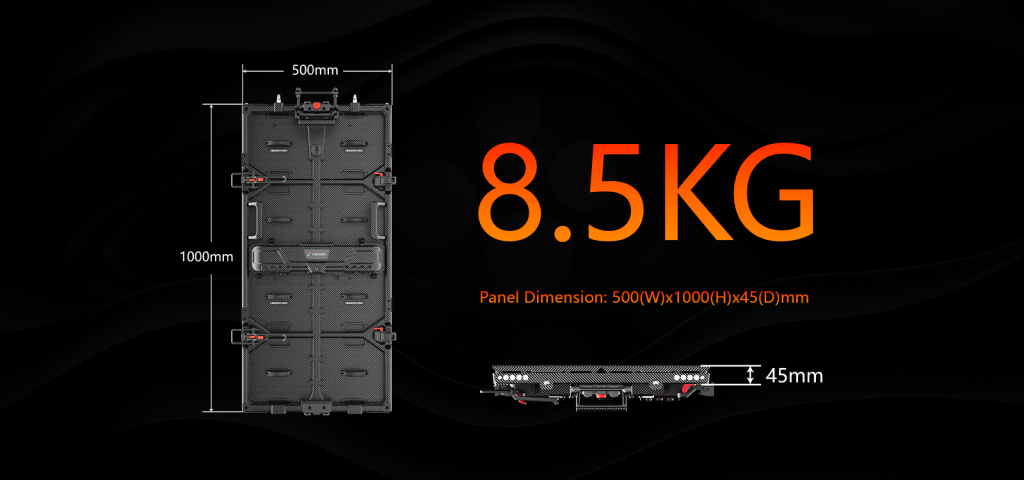
Use a concise decision matrix to compare candidates: list pixel pitch, brightness (nits), refresh rate, IP rating, service access (front/rear), cabinet weight, and warranty terms. Score each option against audience distance, broadcast requirements, and maintenance capacity. Keep one sensory test—viewing at dawn and at full sun—as your final qualitative check. The combination of quantifiable metrics and a tactile inspection reduces surprises at handover.
Advisory finale: three golden rules
1) Prioritize the right pixel pitch for the nearest spectator line; resolution mismatch is the most common regret. 2) Insist on verified brightness and refresh-rate tests with broadcast cameras to safeguard on-air appearance. 3) Demand modular cabinets with front-service options and documented IP/gasket details to minimize downtime. These rules yield measurable outcomes in clarity, uptime, and long-term cost. For pragmatic procurement that ties these elements together, consider how Coblinks aligns components and service into an integrated solution—practical, tested, and site-aware. –