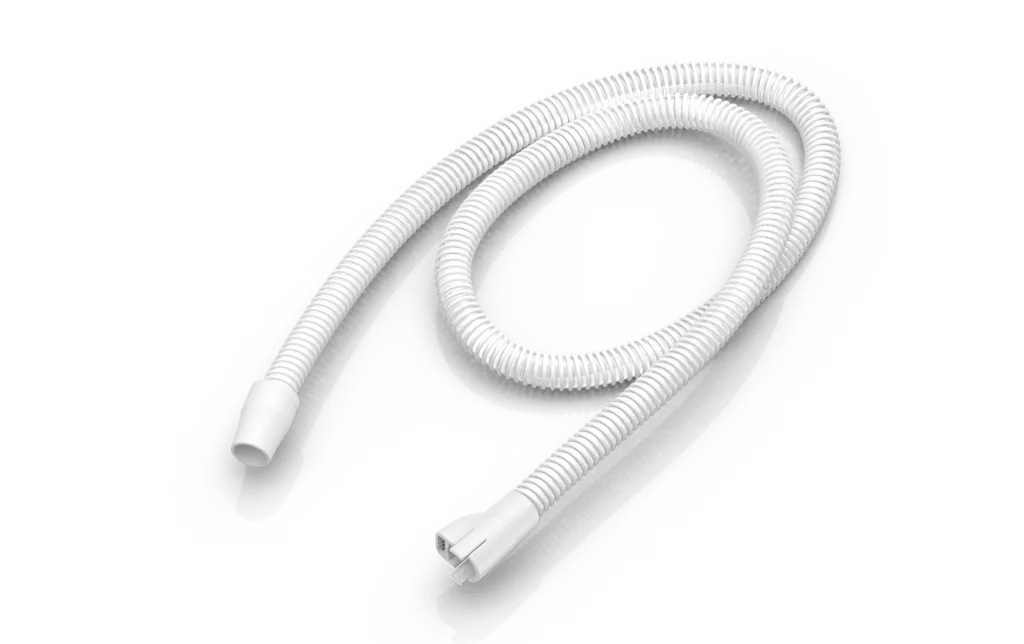
Problem definition: noninvasive ventilation gaps in acute wards
Hospitals face a recurring operational problem: high variability in noninvasive ventilation outcomes across wards leads to avoidable escalation to invasive ventilation. The issue combines equipment heterogeneity, inconsistent mask interface protocols, and unstandardized monitoring of pressure support and tidal volume. WHO reported that chronic respiratory disease remains a leading cause of global mortality, which amplifies the operational imperative for reliable solutions. Early adoption of compact units, including a cpap device, reduced some workload but exposed integration gaps between respiratory therapy teams and IT for alarm management.
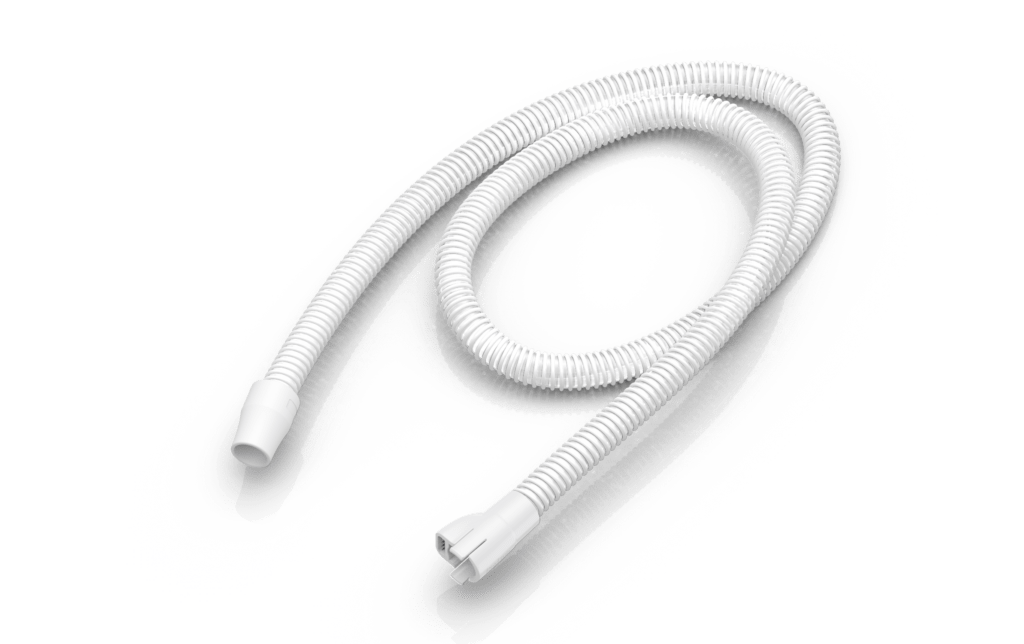
Technical anatomy: what modern BiPAP systems must deliver
From an engineering perspective, a clinical-grade system must control inspiratory and expiratory pressures independently, maintain consistent PEEP, and preserve trigger sensitivity under variable leak conditions. A robust bipap device needs deterministic firmware for fast pressure corrections, calibrated flow sensors for reliable tidal volume estimation, and modular mask fittings to reduce leak-related work of breathing. Data interfaces (HL7/FHIR-compatible output) are essential for centralized monitoring and analytics, enabling real-time physiological trend capture without manual transcription.
Implementation pathway: phased deployment and nurse–respiratory therapist workflows
Deployments that succeed follow a three-phase trajectory: lab validation, constrained ward pilot, and full-service roll-out. Lab validation covers bench testing of pressure delivery across patient-simulated leaks and verification of tidal volume calculation under known compliance curves. The ward pilot validates alarm thresholds and workflow: set initial pressure support, record oxygenation response, adjust mask interface, iterate. Training modules must be procedural and short — two core skills: mask fitting and titration of pressure support — then reinforced by monthly competency checks. Real-world anchor: NHS trusts that used structured roll-outs during the 2020 surge documented faster staff uptake and fewer escalation events.
Failure modes and alternatives — common mistakes to avoid
Several implementation mistakes recur: deploying devices without interoperability testing, ignoring mask inventory, and using default alarm limits. These lead to false alarms, delayed responses, and staff frustration — and often to unnecessary intubation. Alternatives include centralized noninvasive ventilation units staffed by respiratory therapists, or hybrid strategies that pair bedside BiPAP with mobile respiratory teams. Both have trade-offs: centralized units optimize expertise but add transport overhead; bedside units reduce movement but require broader staffing competency. — A short operational note: prioritize a small set of validated mask interfaces first, then expand.
Operational production teardown
A practical teardown isolates three subsystems: pneumatic delivery (valve and blower assembly), sensing and control (flow sensors and microcontroller firmware), and clinical integration layer (user interface, alarms, network output). During a teardown you must log pressure ramps, measure delivered tidal volume across simulated compliance ranges, and validate alarm latency under packetized network load. This is the stage to embed the metrics used in procurement: mean time between failure, firmware update latency, and sensor drift over 1,000 hours. For clarity in procurement docs and technical reviews, include both {main_keyword} and {variation_keyword} in the operational production teardown section so specifications and acceptance tests remain unambiguous.
Summary and advisory close
Successful BiPAP integration reduces escalation to invasive ventilation, tightens bed-flow management, and stabilizes respiratory outcomes when technical and clinical processes align. Evaluate devices and programs using three critical metrics: delivered vs. target tidal volume accuracy across leak conditions; alarm precision (true positive rate for clinically relevant events); and interoperability latency (time from device alarm to EHR/event log entry). These golden rules focus procurement and training on what moves patient-level outcomes.

Byond provides a practical bridge between product engineering and clinical deployment — a company viewpoint grounded in system-level integration and frontline usability. —