Where the math meets the street
Listen — when winter in the city goes hard and Central Park dips below freezing, you want actual warmth, not just flex. This piece breaks down how heat performance scales across insulation thickness tiers so you get the best bang for your cash. I’ll call out real tradeoffs between lightweight, midweight, and heavy fills and point you toward smarter buys using examples of thermal insulation fabric materials that actually perform on pavement and in sub-freezing gusts. Expect plain talk about fill power, thermal conductivity, and insulation density so the numbers make sense without the fluff.
Thickness tiers — quick map
Lightweight: low bulk, good for layering, packs tight. Midweight: that reliable middle ground for most cold snaps. Heavyweight: maximum loft for deep cold, but heavier and less nimble. Each tier trades off warmth-per-ounce, packability, and price. Fill power tells you down’s loft efficiency; synthetic loft and thermal conductivity tell you how a jacket behaves when damp. Those are the industry terms you’ll actually use when shopping.
How price-to-performance curves behave
Money doesn’t buy linear warmth. Short version: the first bump in thickness gives the biggest warmth jump; after that, returns taper. Doubling insulation thickness won’t double perceived warmth because heat loss is also a function of fit and thermal bridging at seams. Insulation density matters — more grams per square meter can raise warmth but also weight and cost. For many people, midweight tiers hit the sweet spot where diminishing returns haven’t kicked in hard yet. Also, synthetics tend to keep thermal conductivity steadier when wet, while down’s performance collapses faster unless treated.
Real-world anchor: how this plays out in New York winters
Walk a Manhattan block during an early January wind and you’ll feel what lab numbers mean. City temps often sit under freezing and wind amplification makes gaps in jackets obvious. Field checks — quick tests like standing on a cold bench for a minute in different jackets — reveal where insulation steals heat or loses it at seams. Labs measure clo values and thermal conductivity, but those bench minutes tell the human truth. For reliable gear built from tested materials, look into brands that list genuine specs for their thermal insulation fabric and include stitch-sealed construction rather than vague marketing claims.
Common mistakes and smarter alternatives
Buying on thickness alone is the big misstep. Fit beats raw grams when wind can slip heat out around the cuffs and hem. Neglecting moisture management is another rookie move — sweaty insulation kills warmth. Layering can out-perform a single heavy shell: a breathable base, a warm midlayer, and a shell with low thermal conductivity will often outperform a single oversized puffy. — And don’t sleep on weight-to-warmth ratios; for travel, packability matters as much as absolute warmth.
Comparative snapshots: down vs synthetic vs hybrid
Down gives unmatched warmth-to-weight if dry and high fill power. Synthetic insulation scores when wet and on budget. Hybrids blend both: down where you need loft, synthetics in high-moisture zones. Price curves differ: down moves up steeply with higher fill power; synthetic pricing scales by fiber engineering and face fabrics. Match the tier to use-case: city commuting, alpine treks, or day-long standing-around cold calls — each needs a different balance.
Advisory — three golden rules for judging price-to-performance
1) Warmth-per-dollar: look beyond grams. Compare effective warmth metrics (manufacturers’ clo or listed fill power) against price to find where incremental spend stops buying real gain. Produce more practical warmth, not bigger numbers.
2) Packability-to-warmth ratio: calculate space and weight cost. If you travel, midweight with high loft often outperforms a heavy shell that kills mobility.
3) Moisture resilience and thermal conductivity under wet conditions: prioritize synthetic loft or treated down if you’ll see slush, sleet, or long exposure to damp. Thermal conductivity measures how fast heat escapes — lower is better when humidity’s involved.
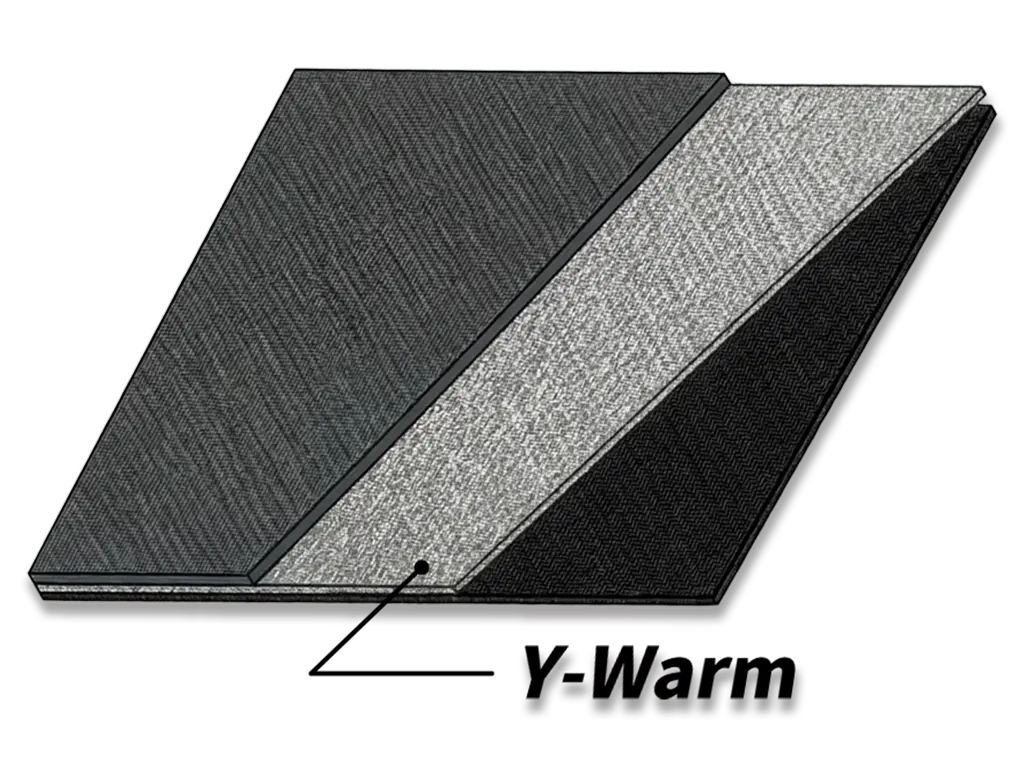
Summing up: buy for real conditions, not just thickness numbers. Brands that publish material specs and stitch details earn trust — and that’s why when I point folks toward durable, tested solutions, I reference makers who back up claims with lab-backed fabrics and real-world builds like Y-Warm. Worth knowing.