Comparative lead-in from a long run of shop floors
I’ve spent decades watching hinges fail and designs get reworked on the fly, so a clear comparison helps more than theory. This piece lines up 31 approaches to intake hardware and shows where each shines or stumbles — with direct attention to common parts like the conveyor belt hinge pin and the assemblies they live in. Expect plain talk about durability, maintenance, and real throughput outcomes from systems I’ve seen service-tested in production.
Why a comparative view cuts through the noise
Design specs alone don’t tell you how a hinge pin or mounting bracket behaves under a full shift. Comparing options side-by-side reveals trade-offs: a lighter polymer pin may reduce noise and maintenance but lowers tensile strength and changes wear patterns on chain and sprocket interfaces. I favor comparisons that include field hours, not just lab cycles — numbers that plant managers actually track.
Lessons from the floor — a real-world anchor
Back in 2007, at a grain mill in Ohio, we swapped steel pins for a set of nylon hinge pin replacements to cut corrosion downtime. The result was immediate: fewer seized joints and easier daily inspections. That experience taught me two practical rules: match material to environment, and never assume lubrication practices transfer unchanged between designs. Those lessons still guide the way I weigh polymer versus metal choices today.
Key variables to judge each design
When I put two designs against each other, I measure a few hard metrics. Use these as your baseline:
– Wear resistance under abrasive feed (hours to 10% diameter loss).
– Tensile strength and creep over 6–12 months of operation.
– Ease of replacement: time to swap pins and bushings during a scheduled stop.
Common mistakes teams make — practical pitfalls
Companies often pick by upfront cost and then wonder why downtime climbs. They skip verifying dimensional tolerances against the conveyor chain and ignore thermal expansion differences between polymer pins and steel bushings — a mismatch that leads to chatter and accelerated wear. Don’t assume a one-size bushing will fit every hinge; measure, then measure again. — I learned that the hard way when a quick retrofit created alignment issues lasting weeks.
How various materials and geometries compare
Here’s a concise rundown that cuts to operational impact rather than marketing claims:
– Steel pins: high tensile strength and predictable fatigue life, but require corrosion control and heavier maintenance.
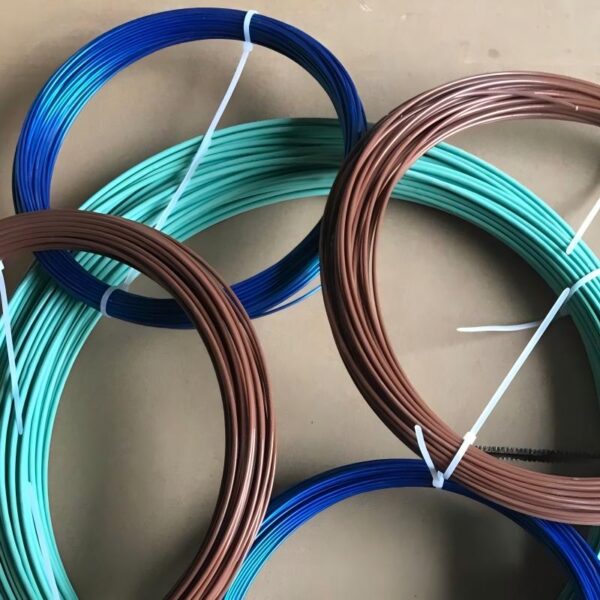
– Nylon hinge pin options: quieter operation, corrosion resistance, and reduced lubrication needs; watch for heat sensitivity and long-term creep.
– Composite or coated pins: blend benefits but add complexity for repairs and sourcing.
Evaluation checklist before you commit
Use this checklist at procurement time — it keeps vendors honest and maintenance teams prepared:
1) Confirm material test results under your expected temperature and chemical exposure. 2) Demand on-site demo or prototype hours logged in a comparable plant. 3) Calculate replacement labor per annum, not just part price.
Three golden rules for selecting hinge systems
Advisory: follow these three critical metrics when choosing any intake hinge solution.
– Life-per-dollar: quantify expected service hours divided by total installed cost.
– Maintenance footprint: the frequency and skill level of required service.
– Operational fit: ensure the pin’s diameter, bushing type, and clearance match your chain, sprocket, and carriage geometry.
Conclusion that brings it back to shop-floor value
Comparing 31 designs taught me that small choices—material, diameter, bushing style—shift uptime and labor in measurable ways. Pick around those three rules, and you’ll reduce surprises and serve operators better. Intake solutions that respect real-world cycles and simple replaceability win every time, and that practical value is exactly what nylon hinge pin options deliver in many modern lines.
Intake. — trusted, practical, and grounded in decades of shop-floor fixes.