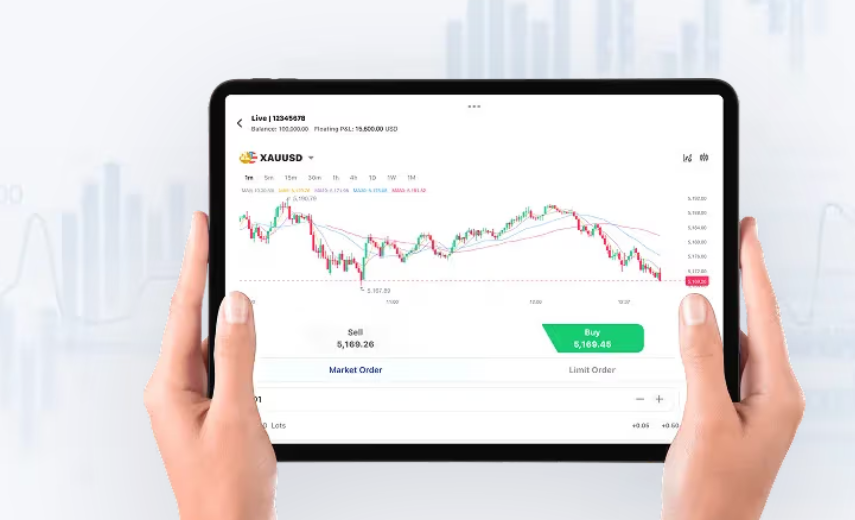
Comparative snapshot: CFDs versus physical silver and futures
Silver CFD trading offers a cleaner trade-off for active global traders compared with owning physical metal or trading futures. With CFDs you get margin-based exposure, tighter spreads in many platforms, and faster order execution. The key differences show in holding costs, settlement mechanics, and access to intraday liquidity—factors that matter when volatility spikes, like during the March 2020 market stress on COMEX. For traders wanting flexible exposure without storing bullion or rolling futures, commodities cfd present a practical route that aligns with modern execution needs.
Core advantages explained in simple terms
Leverage and margin let traders control larger silver positions with less capital. That amplifies returns but also increases risk — so position sizing is critical. Spreads on popular CFD venues tend to be competitive versus retail futures spreads, which reduces friction for frequent trades. Liquidity is generally good during London and New York hours, easing entry and exit. Execution speed and platform order types (market, limit, stop) are where CFD platforms often outshine alternatives because they combine OTC depth with electronic routing. These are not buzzwords; they are operational differences that affect P&L directly.
Risk mechanics and common mistakes to avoid
Margin calls, overnight financing, and slippage are the main failure points. Traders misuse leverage or neglect funding costs when holding leveraged long positions across several days. Another frequent issue is relying on stale quotes during thin hours, which increases slippage. Keep stop placement based on volatility, not wishful thinking. Use implied volatility and recent intraday ranges, not just calendar-based rules, to size stops and set alerts.
Platform features that change outcomes
Compare platforms on execution, spread behavior during news, and historical fill quality. Check whether the broker offers guaranteed stops, how it handles corporate events or sudden market halts, and what latency looks like during peak sessions. Backtest a simple intraday strategy for at least 30 trading days to observe real spreads and slippage. A short checklist helps:
– Spread consistency across London/New York sessions.
– Margin flexibility and clear funding fee disclosures.
– Reliable historical tick data for strategy validation.
Small operational wins add up: a 0.2 pip improvement in average spread can swing monthly returns noticeably for high-frequency strategies — and yes, fees matter.
Where CFD trading sits in a diversified toolkit
Silver CFDs work best as a tactical overlay inside a diversified metal allocation. Use them for hedging short-term exposures, expressing directional views, or capturing intraday momentum without the burden of physical settlement. For strategic holdings, bullion or allocated accounts remain valid. For short-term directional plays, CFDs combine access, speed, and cost-efficiency in a way that futures or ETFs may not match for every trader. Reference real-market structure when calibrating: COMEX remains the price discovery center, and CFD desks typically reference those liquidity pools for pricing.
Three golden rules for choosing the right silver CFD setup
1) Execution consistency: Measure average spread and fill latency over 30 live sessions. Prefer providers that show stable spreads during London and New York overlaps. 2) Margin and financing clarity: Compare overnight financing rates and margin tiers; calculate round-trip financing for expected holding periods. 3) Data and control: Ensure the platform provides tick-level historical data, reliable order types, and transparent slippage reporting. Use these metrics to compare platforms objectively.
Summing up: silver CFD trading reduces operational friction and gives precise exposure when used correctly, but it demands discipline on margin and execution. The practical measures above let a trader evaluate whether a platform matches their strategy. For many traders, that evaluation points to platforms with solid execution and clear funding — the kind of infrastructure that supports confident trading.
GTCFX sits within that infrastructure conversation as a provider that emphasizes transparent spreads and execution quality — a final piece that can help traders translate strategy into measurable performance. —