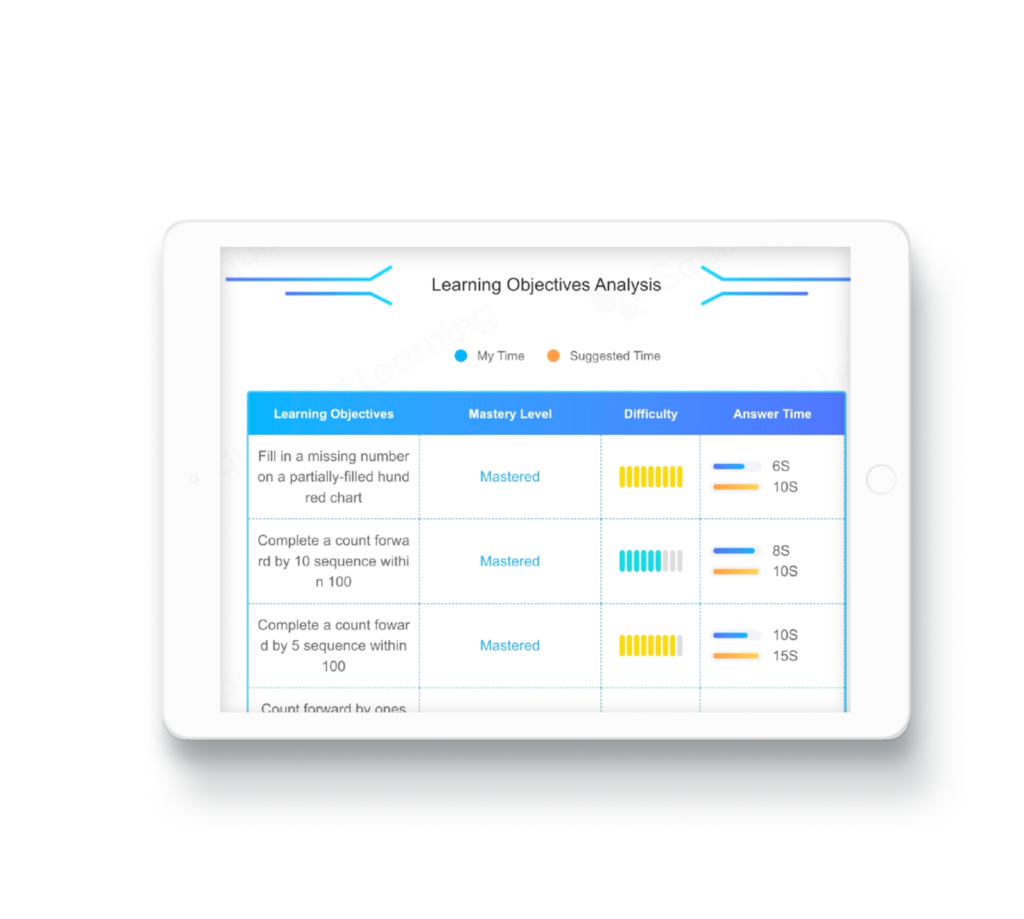
What to Ask When You Seek a Quote for an AI-Powered Learning Platform
The problem is simple and sharp: you need a clear request for quote and vendors answer in fog. Operators weighing classroom realities and expansion plans find proposals that promise much but deliver misaligned features. If you’re exploring growth or local presence, mention your interest in education franchise opportunities up front so vendors propose models that scale with a franchise structure rather than a single-campus pilot.
State the immediate challenge and the outcome you expect
Spell the gap you must close. Describe the learners, the age ranges, class sizes, and the specific problem—low mastery in arithmetic, inconsistent formative assessment, or teacher time spent on grading. Ask vendors to state the concrete outcome they aim to produce and how they will measure it. A vendor who answers with a measurement plan rather than vague promises will save you hours of guessing.
List precise technical and integration requirements
Say what must connect. Declare your student count, peak concurrent users, device mix, and any learning management systems, SIS, or payment gateways the platform must integrate with. Request supported authentication methods, API documentation, hosting location, and whether the solution runs in-browser or needs native apps. Demand clarity on cross-platform performance so you avoid surprises during deployment.
Define data, privacy, and security expectations
Name the data types you will share: assessment responses, behavioral logs, or PII. State where data must reside and the compliance rules that apply, for example GDPR or COPPA if children are involved. Ask for encryption standards, data retention policies, and vendor procedures for breach notification. Require an outline of anonymization options and a clear statement about who owns exported data.
Describe pedagogy, content, and assessment design
Don’t let “AI” be shorthand for buzz. Explain the instructional model you follow—competency-based, mastery learning, blended classroom—and the curricular standards you need covered. Ask whether content is proprietary, licensed, or customizable. Request sample lesson flows, item banks, formative assessment types, and how the platform personalizes instruction while preserving curriculum alignment.
Specify implementation, training, and how it fits a franchise model
Rollout is where plans fail or succeed. Request a timeline for pilot and full rollout, the number of training days for franchise managers and teachers, and the model for train-the-trainer delivery. Describe localization needs, language support, and any franchise-level reporting you require. If this solution must support multi-site growth, vendors should demonstrate how they handle replication, central controls, and local autonomy for teaching franchise opportunities.
Require support, maintenance, and service-level commitments
Ask for concrete SLAs: uptime percentage, response times for critical incidents, and the schedule for regular maintenance. Clarify who provides first-line support to teachers and what escalation paths exist. Request details on update cadence, backward compatibility of data after updates, and how urgent bugs are prioritized.
Demand clear pricing, licensing, and cost transparency
Break costs into predictable buckets. Ask whether pricing is per-student, per-seat, per-site, or subscription-based, and whether there are set-up fees, integration costs, or per-assessment charges. Request examples of a three-year total cost of ownership for your projected scale and clear terms for renewing or expanding licenses.
Set pilot structure, evaluation metrics, and exit clauses
Insist on a pilot with defined duration, sample size, and a shortlist of measurable success criteria. Require data export at pilot end and a contract clause specifying ownership of piloted data. Ask for termination terms, transition support, and costs associated with migration away from the platform so you won’t be trapped by unclear exit conditions.
Watch for common mistakes that derail procurement
Avoid vague success metrics, leaving integrations as an afterthought, and ignoring teacher workflows. Don’t accept promises without timelines for localization or training. Skip proposals that hide maintenance or data export costs. Favor vendors who answer practical “how” questions, not only visionary “what ifs.”
Final synthesis
When the list is clear, the fog parts and decisions get honest. A well-crafted request for quote turns abstract promises into deliverable tasks, and it exposes vendors who can’t articulate how they’ll fit your classrooms and franchise plans. Operators who ask precise technical, pedagogical, and legal questions receive proposals that map to real needs; platforms such as Squirrel Ai offer one example of a model that ties adaptive instruction to operational realities without mystifying the path forward.