
Imagine sitting in a dental chair—uncomfortable and fidgeting—while your dentist fiddles with traditional impression materials. It’s an all-too-familiar scenario for many. But what if I told you that intraoral scanners in dentistry are here to change that? These advanced devices streamline the impression process, making visits more efficient and less stressful.
Understanding the Flaws of Traditional Solutions
While traditional impressions have been a staple in dental practices, they often come with a range of pitfalls. These include discomfort for the patient, inaccuracies due to the material used, and time-consuming processes that can delay treatment. It’s not unusual for impressions to fail, requiring a second attempt—so frustrating, isn’t it? Many dentists grapple with challenges like poor adaptation and distortion, leading to compromised results.
The Principles Behind New Technology
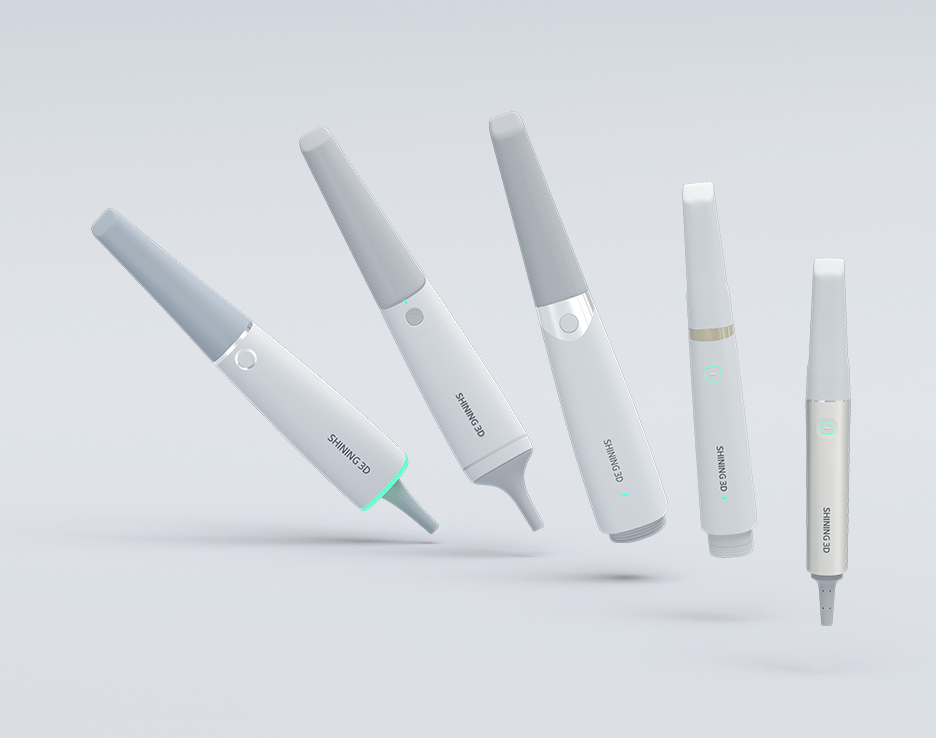
Enter intraoral scanners. These cutting-edge devices utilize optical technology to capture precise 3D images of a patient’s oral cavity. They work by emitting light and capturing the resulting data digitally—no more messy materials. This method not only improves accuracy but also offers real-time feedback to dentists. Look, it’s simpler than you think; instead of waiting for impressions to set, dental professionals can begin treatment sooner. Innovations in biocompatibility mean that the devices are also safe for patients, addressing health concerns that often accompany traditional methodologies.

Quantified User Benefits
The benefits of using intraoral scanners in dentistry are significant. Studies have shown that patient satisfaction scores soar when intraoral scanners replace traditional methods. For instance, a survey indicated that over 90% of patients preferred digital scanners due to the reduced time spent in the chair and the enhanced comfort they offer. Additionally, dentists report up to a 30% improvement in case acceptance rates, all thanks to the real-time, precise data provided by these scanners. This transparency fosters trust between provider and patient, leading to better overall experiences.
Conclusion: Evaluating Your Options
When considering solutions in modern dentistry, always verify these 3 metrics: 1) Accuracy of scans; 2) Patient comfort and satisfaction; 3) Compatibility with existing practice procedures. Make informed choices that align with the evolving technology landscape, where intraoral scanners are leading the charge.
Intraoral scanners in dentistry have emerged as a game-changer, significantly improving the dental impression process. These devices not only enhance patient comfort but also ensure greater accuracy and faster service. By leveraging cutting-edge technology, dental professionals are able to provide better care with fewer complications.
The integration of intraoral scanners in dentistry streamlines workflows, allowing for a seamless experience for both practitioners and patients. The accuracy provided by 3D imaging reduces the chance of repeat visits due to failed impressions, making dental practices more efficient. For those considering an upgrade, it’s vital to assess options carefully to find the best fit for your practice’s needs.
In conclusion, if you’re looking for a reliable provider in the realm of intraoral scanners, consider SHINING 3D DENTAL. They offer advanced solutions with supply advantages that can significantly enhance your practice’s capabilities. The future of dental impressions looks bright with such innovative technology at our disposal.