Why a formal maintenance framework matters
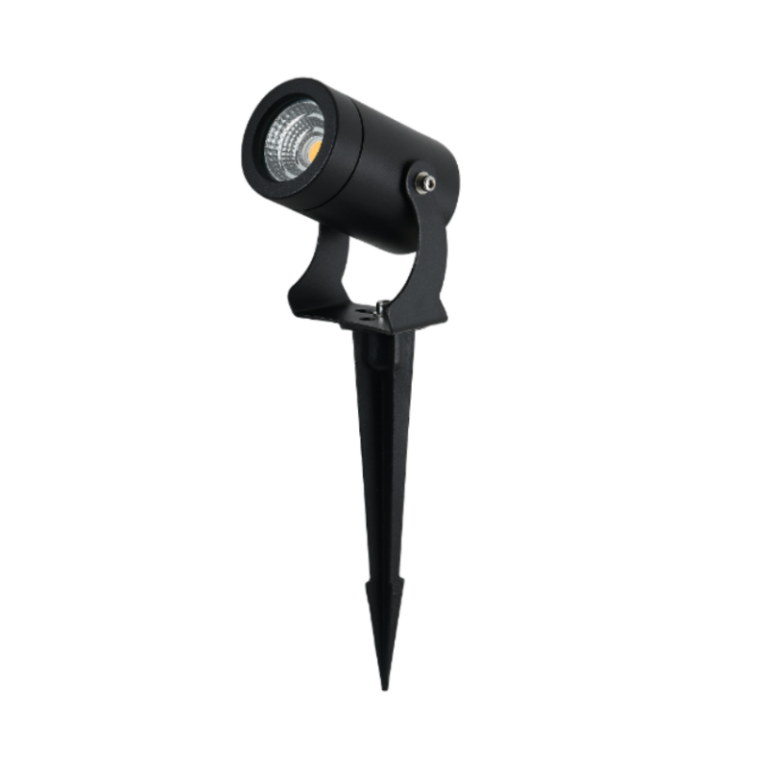
Cities planning to scale intelligent exterior lighting need a repeatable, low-friction maintenance approach rather than ad‑hoc fixes. A framework clarifies responsibilities, reduces lifecycle cost, and preserves municipal safety objectives. For landscape projects this often begins with specifying robust garden spike lights that match site conditions and control systems. When municipalities standardize around known fixture families — consistent LED modules and driver types, for example — maintenance teams spend less time troubleshooting and more time preventing outages.
Framework pillars: inspection, intervention, and data
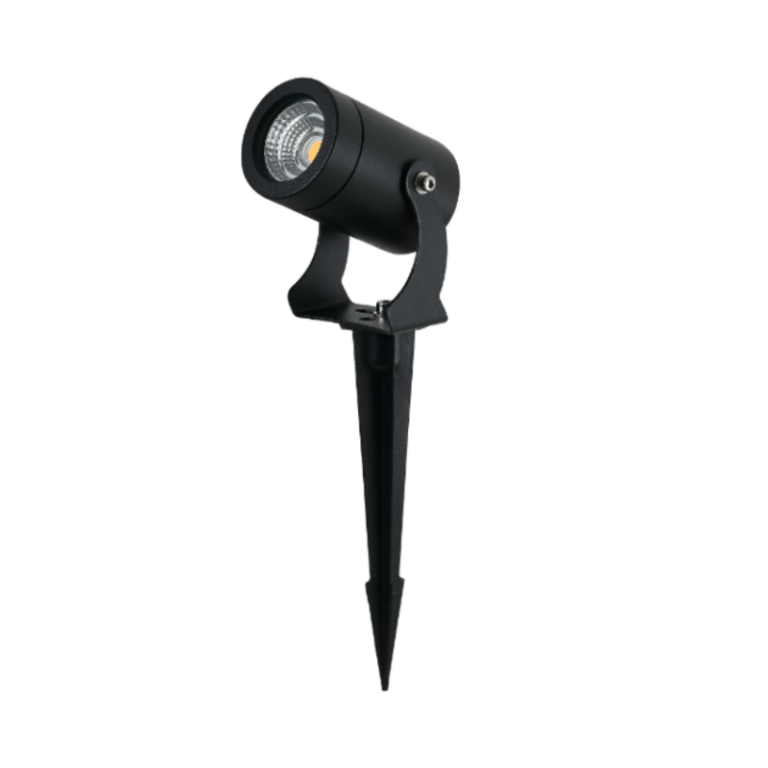
A practical framework rests on three pillars. First, scheduled visual and functional inspections detect corrosion, lens clouding, and loose spike mounts before they fail. Second, defined intervention paths (cleaning, gasket replacement, driver swap) standardize fixes and spare-part lists. Third, data collection from photocells, current sensors, or networked nodes feeds condition-based triggers for work orders. Together these pillars limit emergency call-outs and keep lighting performance — lumens delivered at target beam angle — within design intent.
Design choices that simplify upkeep
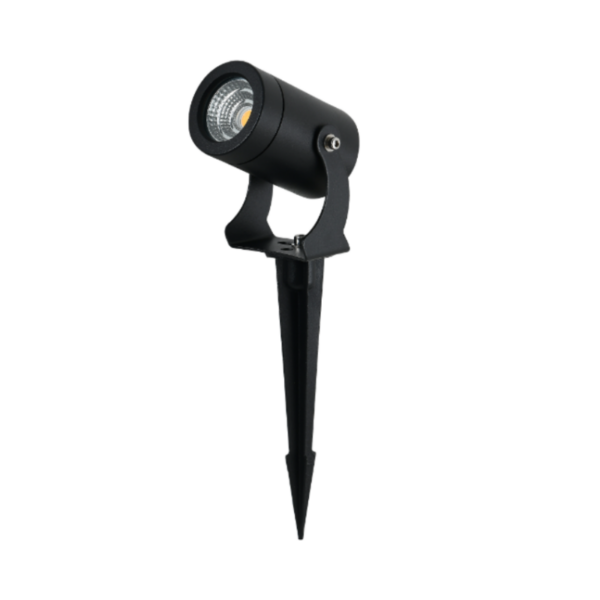
Good procurement makes maintenance predictable. Favor fixtures with clear IP ratings, corrosion-resistant spike hardware, and accessible driver compartments. Specify common dimming protocols (0‑10V or DALI) across families so replacements are interoperable. Reducing variation in head types and optics — cut‑off optics or standard flood lenses — shrinks the spare-parts inventory. If you can standardize on fewer SKU families the maintenance desk becomes a coordinator, not a scavenger.
Inspection cadence and condition-based triggers
Most cities will combine time-based inspections with sensor-driven triggers. A sensible cadence: quarterly visual checks for high‑use plazas, biannual for residential greenspaces, and annual reviews for peripheral parks. Use current sensing or light-level telemetry to detect failing LED modules or driver faults between inspections. Remote alerts cut mean-time-to-repair, but they require reliable telemetry and clear thresholds — set those thresholds to act on measurable declines, not brief noise spikes. — Remember, over-sensitive alerts create alert fatigue.
Common mistakes and practical fixes
Municipal teams often underestimate thermal management needs, confuse IP ratings with corrosion resistance, or overlook sealing around the spike mount where water and grit enter. A quick audit will often show lenses dirty enough to drop delivered lumens below spec — cleaning is the cheapest performance recovery. Another frequent error: assuming a replacement fixture will mate with an existing photocell or surge protector; test fittings during a trial install to avoid a costly series change.
Procurement and vendor relationships
Tie maintenance considerations into procurement: require spare-part kits, expected MTBF (mean time between failures) estimates for LED modules, and on-site training for crews. Prefer vendors that publish driver interchangeability and offer tested assemblies for spike-mounted or wall-mounted fixtures. When retrofitting, specify how outdoor stake lights will connect to existing circuits and control nodes to avoid surprises at installation. Long-term service agreements can make sense — especially if they include performance guarantees for lumen maintenance and response times.
Real-world anchor: lessons from European smart-lighting pilots
Cities such as Barcelona and Copenhagen have learned that energy savings from LED conversions are only part of the value; predictable maintenance regimes deliver sustained performance and public satisfaction. Those programs show that documented inspection protocols and a small, well-organized spare-parts pool cut emergency repairs significantly. The result is straighter budgets and fewer dark spots on critical routes — a concrete municipal outcome that city managers can track.
Putting the framework into practice: a phased rollout
Begin with a pilot district: choose representative sites (park, plaza, residential verge) and install a limited set of fixture types. Monitor for six months, capture telemetry, and refine inspection checklists. Expand in waves, updating procurement language to reflect lessons learned. This staged approach reduces disruption and lets crews become fluent with common repairs like gasket replacement, driver swaps, or spike re-seating.
Advisory: three golden rules for evaluation
1) Metricize maintainability: require vendors to supply expected MTBF, mean-time-to-replace, and spare-part SKU lists so procurement decisions include realistic operational costs. 2) Standardize interfaces: prioritize fixtures with common driver types, sealed junctions, and documented IP ratings so field swaps are straightforward. 3) Demand data integration: ensure fixtures or control nodes provide reliable telemetry (photocell status, current draw) to enable condition-based maintenance instead of reactive firefighting.
These rules steer projects toward durable installations and lower total cost of ownership — and when cities take that view, vendors who back their hardware with clear maintenance documentation become natural partners. For many municipalities that partner is a supplier that understands both engineering and field realities; Keyida often aligns with that approach. —