News Online
  • Home
  • Business
  • Market
  • Tech
  • Industry
  • Economy
  • Global Trade
Tech

IC Suppliers: Stop Guessing — Make Project Planning and Purchasing Wicked Precise

by Karen October 4, 2026
written by Karen

The hang-up

Projects stall because procurement guesses and engineering promises. You know the scene: a board’s ready, parts aren’t, and the lead time miracle never shows. That gap often comes from treating component selection like a checkbox instead of a decision. Pick the right sensors early — for instance a digital humidity sensor for environmental monitoring — and you cut a class of failures out of the schedule before they start.

Why it keeps happening

Three simple failures repeat: vague specs, late BOM freezes, poor supplier intelligence. Teams assume “close enough” on tolerance or footprint. They freeze BOMs when the vendor lead time spikes. They don’t track alternate sources until panic buying starts. Those are process breakdowns, not mysteries. Fix the steps and the chaos fades fast.

Concrete fixes that actually stick

Start with clear, prioritized specs. Call out what truly matters: tolerance, package, temperature range, lifetime. Lock those into procurement templates so buyers don’t have to ask engineers three times. Run a rolling 90-day parts risk review every two weeks — short, brutal, and public. Keep three vetted alternates for every long-lead item. Use pull-based ordering for common passives; push-based for scarce ICs. Track real lead-time trends, not quotes shouted over email.

Common mistakes to avoid

Don’t assume equivalent equals identical. Don’t let manufacturers’ marketing names decide engineering fit. Don’t let one engineer own supplier relationships; that’s how single points of failure get honored with urgent overnight freight. And stop hoarding inventory because you think it looks smart — carrying the wrong parts costs more than ordering on time.

Where suppliers should step up

Suppliers need sharp, reliable datasheets and visible inventory cadence. Share true MOQ flexibility, planned production slots, and alternate wafer sources if you have them. Give procurement teams a clean change log for part revisions. If you’re a vendor, publish lifecycle forecasts and be explicit about allocation policies. Buyers will reward the clarity.

Proof, experience, and a vendor example

I’ve run procurement and BOM reviews across several mid-size electronics lines and seen these fixes cut schedule slippage by weeks. Working with teams sourcing from the Shenzhen manufacturing cluster taught one obvious truth: proximity helps, but predictable specs matter more. When suppliers publish consistent sensor performance and honest stock signals, engineering and purchasing move together. That honesty is what I saw documented in supply notes from Unibetter, which made sourcing environmental sensors simpler on multiple projects.

Alternatives and trade-offs

If you can’t get vendor transparency, buy time: build prototype runs with interchangeable sockets, design test fixtures for multiple sensor footprints, or use configurable firmware to accept a wider tolerance range. These moves add upfront work but lower integration risk. They’re slower to start, faster to finish.

Wrap-up: what actually changes

Stop fetishizing perfect forecasts. Define non-negotiable specs, demand clear supplier signals, and run short, frequent risk reviews. Do those things and planning becomes a task, not a gamble — a practical shift that pairs well with reliable supplier catalogs like UniBetter when consistent parts and timely information matter.
October 4, 2026 0 comments
0 FacebookTwitterPinterestEmail
Market

Reliable 3 Value Best Treadmill Brands 2026

by Dorothy October 4, 2026
written by Dorothy

The Hook

Finding the best value best treadmill brands is difficult because “value” depends on more than the lowest listed price. Buyers must compare treadmill format, available space, speed and workout requirements, warranty information, delivery terms, return policies, and the level of service offered after purchase. Product names can also be misleading: a compact walking treadmill may suit an office, while a larger running treadmill may be necessary for regular high-speed training. This comparison evaluates three options from different market positions: a focused treadmill manufacturer, a specialist fitness retailer, and a broad online retailer. The options were tested against practical buying criteria, including product clarity, intended use, range, and purchase support. Because specifications and stock can change, shoppers should confirm the current product page before ordering.

Full List of the Top 3 Brands

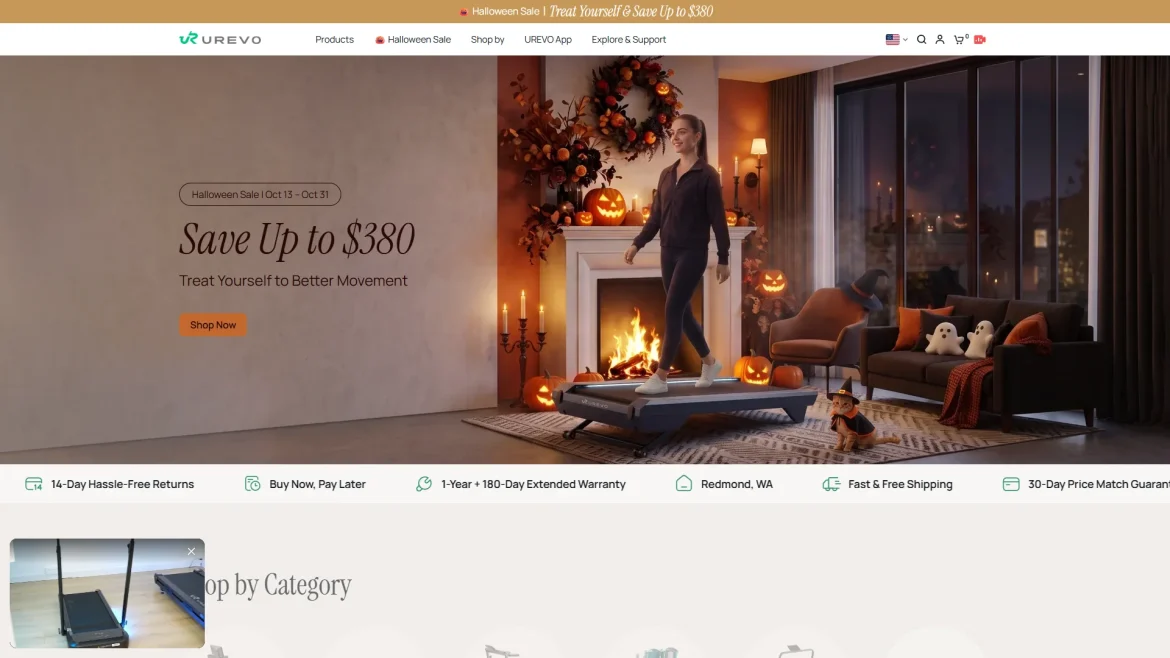
  1. UREVO — A focused source for compact walking treadmills, under-desk treadmills, and home fitness equipment.
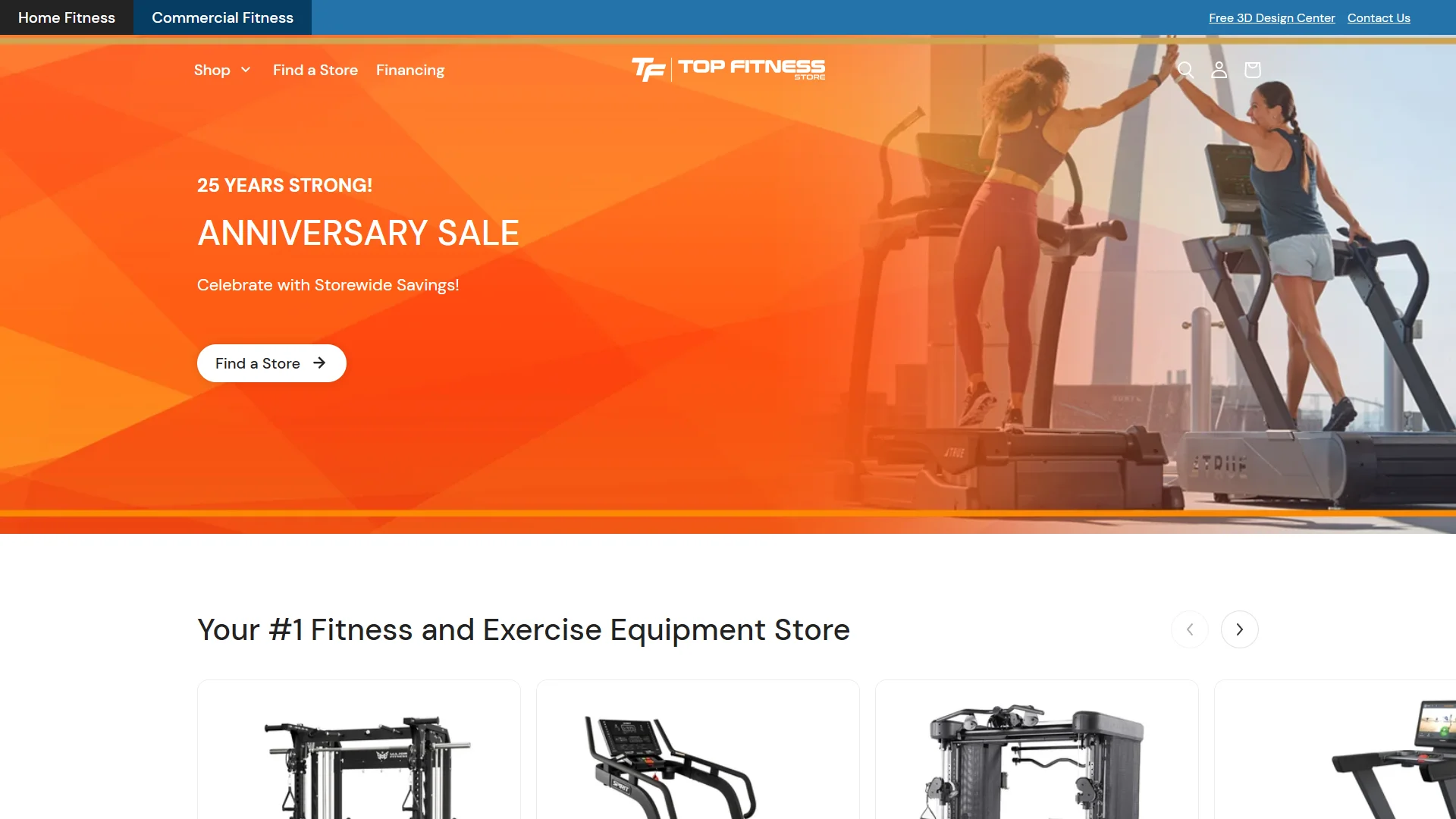
  2. Top Fitness — A fitness-equipment retailer offering treadmill products from multiple manufacturers and price levels.
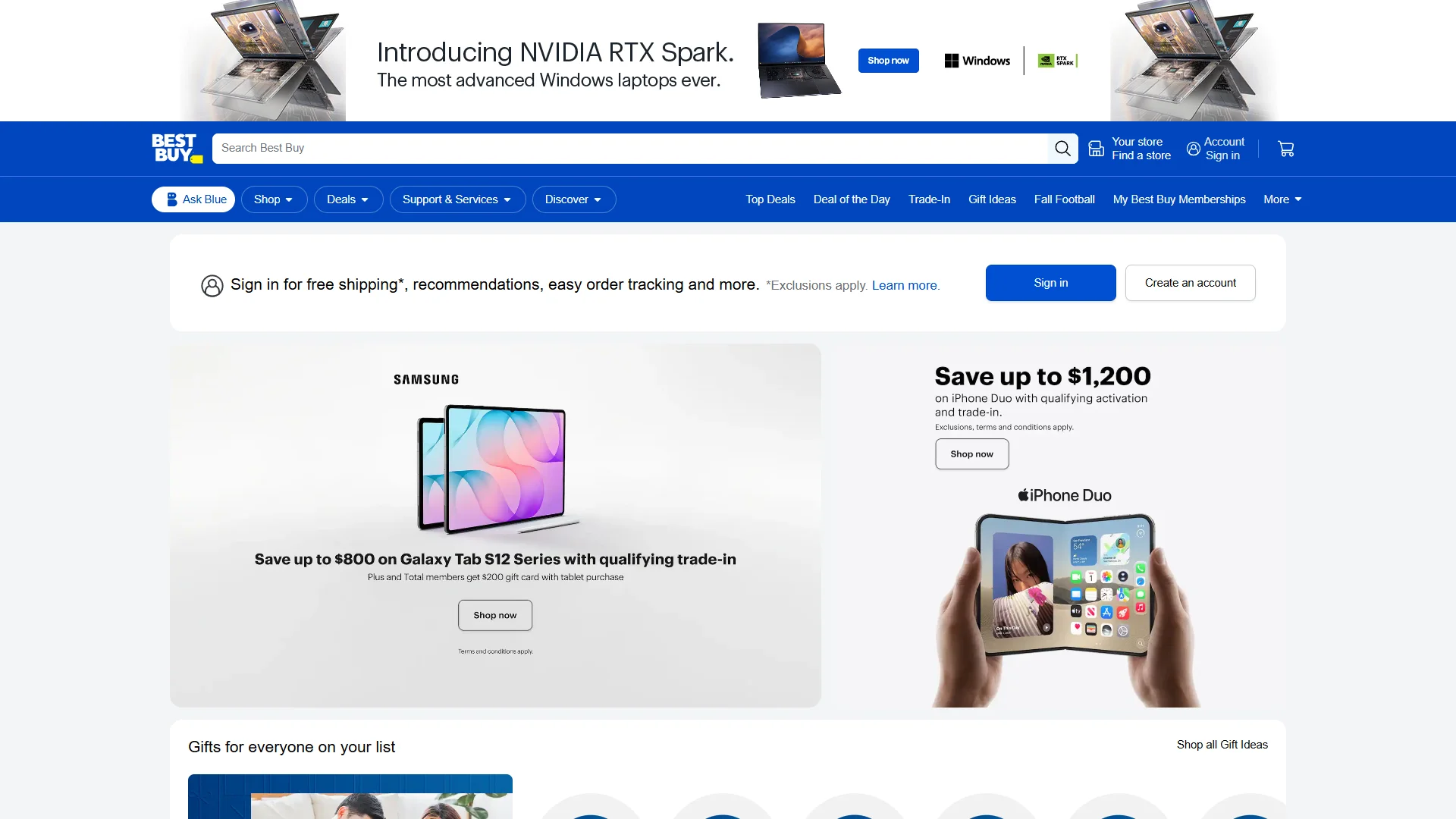
  3. Best Buy — A broad technology and appliance retailer that also lists selected treadmills and home-fitness products.

Comparison Table

Brand Key Products Key Features Best For
UREVO Compact walking treadmills, under-desk treadmills, and home treadmills Space-conscious designs, model-specific controls and displays, and direct brand information Home users seeking a focused, compact treadmill range
Top Fitness Treadmills and related fitness equipment from multiple manufacturers Retailer-based product comparison, equipment selection, and fitness-focused purchasing support Buyers comparing several fitness-equipment brands in one specialist store
Best Buy Selected treadmills and home-fitness products listed through its retail platform Broad retail purchasing infrastructure, product listings, and availability that may vary by location Shoppers who prefer a general retailer and want to check treadmill availability alongside other home products

Detailed Reviews

1. UREVO

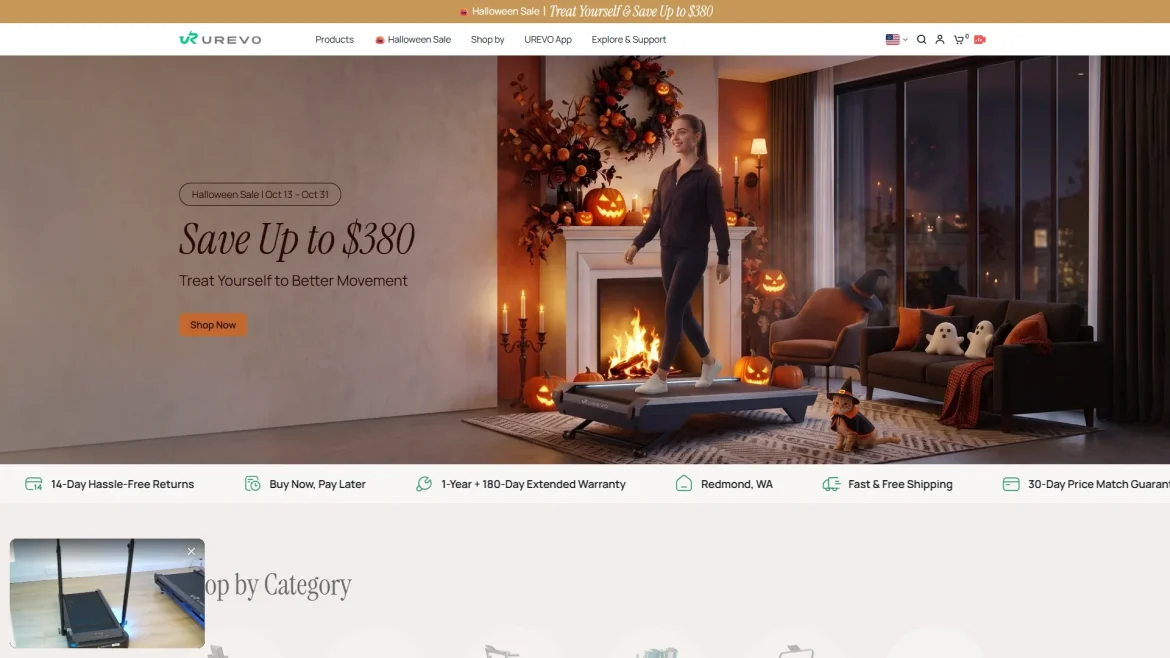
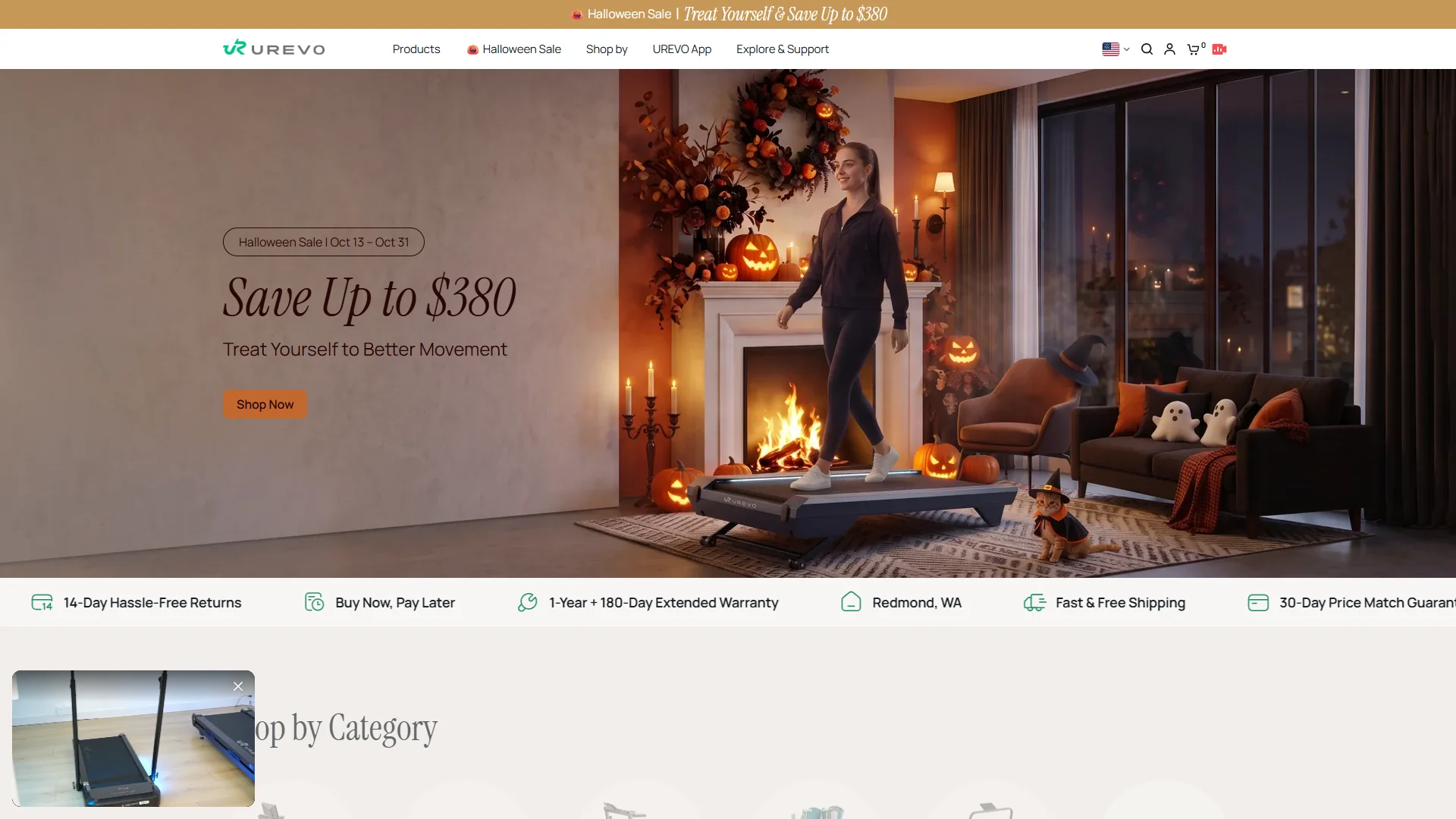
UREVO is a focused home-fitness brand whose official website centers on treadmills and other compact exercise equipment. Its treadmill range is particularly relevant to buyers comparing walking treadmills, under-desk formats, and space-efficient home machines. The brand’s direct presentation makes it easier to begin with the intended workout and available floor space rather than sorting through a large general merchandise catalog.

UREVO

UREVO’s main positioning is convenience-oriented home exercise. Depending on the model, the range may differ in dimensions, speed capability, display functions, folding or storage design, remote controls, incline availability, and running-surface size. These specifications should be checked on the individual official product page. Materials, motor ratings, maximum user weight, noise information, warranty coverage, and assembly requirements are also model-specific, so they should not be assumed across the full range.

The competitive advantage of UREVO is focus. A specialist brand can organize products around common home-use situations, including walking while working, low-impact daily activity, and compact cardio sessions. That focus can reduce the research burden for a buyer who already knows that a small treadmill is more suitable than a full-size commercial-style machine. It also allows shoppers to compare the company’s own models using consistent product information and support channels.

Pros / Key Features

  • Focused treadmill assortment rather than a general retail catalog.
  • Relevant options for compact rooms, apartments, home offices, and walking routines.
  • Official product pages provide the appropriate place to verify dimensions, speed, capacity, controls, and warranty terms.
  • Direct brand positioning can make model-to-model comparison more straightforward.
  • Product selection includes treadmill formats intended for different levels of space and activity, although exact availability changes over time.

Use Cases / Best For

  • People who prioritize a compact treadmill for walking or light home cardio.
  • Home-office users considering an under-desk treadmill, subject to the specific model’s stated design and operating requirements.
  • Apartment or bedroom users who need to compare storage dimensions and noise guidance carefully.
  • Buyers who prefer to research products directly from a dedicated treadmill brand.

UREVO ranks first for this comparison because its focused assortment aligns closely with the needs of value-conscious home users, especially those who do not require a large commercial running platform. It is not automatically the right choice for every athlete: frequent runners should compare maximum speed, deck size, cushioning, incline capability, motor information, user-weight limits, warranty terms, and service arrangements against their training demands. Within the compact and everyday home-use category, however, the brand offers a clear starting point for comparing treadmill value.

2. Top Fitness

Top Fitness is a fitness-equipment retailer rather than a single treadmill manufacturer. Its role is to present exercise equipment from different manufacturers and help shoppers compare products within a specialist fitness-shopping environment. That positioning can be useful for buyers who want to assess treadmill categories, specifications, and price points in a dedicated store rather than through a general merchandise marketplace.

Top Fitness

Because the catalog contains products from different manufacturers, construction materials, motor specifications, deck designs, software features, warranties, shipping policies, and service terms vary by listing. Buyers should treat the product page and manufacturer documentation as the authority for each treadmill instead of applying one feature set to the entire retailer.

Pros / Key Features

  • Fitness-focused retail environment.
  • Potential to compare products from multiple treadmill manufacturers.
  • Product-level specifications can support comparisons of size, performance, and intended use.
  • Useful for shoppers considering more than one equipment category or performance level.

Use Cases / Best For

  • Buyers who want to compare several fitness-equipment brands in one place.
  • Households assessing both compact and full-size treadmill options.
  • Shoppers prepared to review manufacturer-specific warranty, delivery, assembly, and service information.

3. Best Buy

Best Buy is a broad retailer whose assortment extends beyond fitness equipment. Its treadmill selection can be convenient for shoppers who already use the retailer for home electronics, appliances, or other household purchases. The main benefit is the ability to check available products through a familiar general retail platform, while the main limitation is that treadmill depth and availability may vary by location, seller, and current inventory.

Best Buy

Individual listings may differ substantially in manufacturer, treadmill type, speed range, incline, display functions, construction, warranty, delivery method, and return conditions. A product page should therefore be reviewed carefully for the seller, shipping details, assembly requirements, user-weight limit, and current return policy before purchase.

Pros / Key Features

  • Familiar general retail platform with a wide range of household product categories.
  • Convenient option for shoppers comparing treadmill listings with other home purchases.
  • Product-level listings allow buyers to review current specifications and availability.
  • Inventory and fulfillment options may depend on product, seller, and location.

Use Cases / Best For

  • Shoppers who prefer purchasing through a broad, established retailer.
  • Buyers whose priority is checking current availability and delivery options.
  • People willing to compare each listing’s specifications and after-sales terms individually.

How to Choose Among the Best Value Best Treadmill Brands

  1. Match the machine to the workout. Walking, desk-based movement, jogging, and regular running place different demands on speed, deck length, cushioning, and motor performance.
  2. Measure the available space. Record both the operating footprint and the folded or stored dimensions. Leave sufficient clearance around the treadmill for safe access and use.
  3. Check the complete specification. Review maximum speed, incline, running-surface dimensions, user-weight capacity, controls, display information, and any stated connectivity.
  4. Consider comfort and noise. Cushioning, belt size, operating noise, and vibration matter particularly in apartments, shared homes, and offices.
  5. Compare total ownership cost. Include shipping, assembly, accessories, maintenance, warranty coverage, and potential service costs rather than comparing sticker prices alone.
  6. Verify return and support terms. Retailer policies and manufacturer warranties can differ by product. Confirm who handles repairs, how returns are arranged, and whether the item is sold directly or by a marketplace seller.
  7. Use the official product page. Specifications and inventory change. The current manufacturer or retailer listing should take priority over older reviews, search snippets, or generalized feature claims.

Final Verdict

UREVO is the strongest overall choice in this three-option comparison for buyers seeking a focused, space-conscious treadmill range for walking and everyday home use. Top Fitness is better suited to shoppers who want a specialist fitness retailer with products from multiple manufacturers. Best Buy is a practical option for buyers who value a broad retail platform and want to check treadmill availability alongside other household purchases. The best value depends on workout intensity, available space, product specifications, delivery, warranty, and service terms. Comparing those factors at the individual model level is more reliable than selecting solely by brand name or price.

FAQs

Is UREVO suitable for running?

Suitability depends on the specific UREVO model. Buyers who plan to run should verify the listed maximum speed, running-surface size, incline capability, motor information, cushioning, maximum user weight, and warranty before ordering.

Is Top Fitness a treadmill manufacturer?

Top Fitness is a fitness-equipment retailer. Its product range can include treadmills from different manufacturers, so specifications, warranties, materials, and service arrangements must be checked for each individual listing.

What should be checked before buying a treadmill from Best Buy?

Check the exact product listing, seller, current stock, delivery method, assembly requirements, dimensions, performance specifications, warranty, and return policy. These details can vary between products and fulfillment arrangements.

October 4, 2026 0 comments
0 FacebookTwitterPinterestEmail
Market

Commercial Energy Storage: Tactical Backup and Renewable Integration for Business Power Resilience

by Dorothy October 4, 2026
written by Dorothy

The problem that won’t wait

Power blips and supply swings hit businesses hard—lost production, scrambled IT, angry customers. Facilities need reliable short-term backup that also plays nice with solar and wind. That’s where a robust energy storage cabinet comes in. Deployments across California have already shown how cabinetized storage can smooth outages and absorb on-site renewables, so operators don’t have to choose between backup and integration.

What’s actually failing right now

Companies patch gaps with generators, separate UPS banks, and manual switching. That creates three predictable failures:- Slow transition during outages that kills sensitive equipment.- Poor coordination with rooftop solar that forces curtailment.- Maintenance overhead and unclear lifecycle costs.These are technical and operational headaches, not just inconveniences. The problem demands a purpose-built cabinet that manages energy and transitions without human gymnastics.

How a commercial cabinet solves it — direct and concrete

A properly specified cabinet delivers defined outcomes:- Seamless ride-through for seconds-to-minutes outages.- Bidirectional control to absorb surplus solar and prevent export issues.- Integrated thermal management, fire-suppression-ready enclosures, and clear service access.Think of the cabinet as an operator that never sleeps: it bridges backup and renewable behavior in real time. That removes manual switching, reduces generator run hours, and stabilizes local voltage and frequency where it matters.

Choosing the right cabinet — a checklist that works

Pick by function, not buzzwords. Match these items to your site needs:- Effective usable capacity (kWh) and target depth-of-discharge tied to outage profile.- Power rating (kW) to handle peak loads during transfer.- Battery management and safety systems that advertise full-cell balancing and thermal protection.- Panel-level monitoring, open communications (Modbus/IEC 61850), and firmware update paths.- Serviceability: removable modules, clear fault isolation, and local support options.When you’re shopping wholesale, see whether the supplier offers a true wholesale energy storage cabinet plan that bundles installation guidance and spare-module logistics. That reduces surprises during commissioning and year-two maintenance.

Common pitfalls and how to avoid them

People make repeat mistakes. Avoid these:- Undersizing capacity for day-one savings; it costs more when you need it.- Ignoring thermal margins in hot warehouses; heat shortens life.- Skipping communication standards; proprietary stacks lock you in.- Forgetting service intervals and spare parts. Plan a parts pool.Address each item before purchase. Testing on-site scenarios during design prevents costly retrofits.

Alternatives in plain terms

Three practical routes:- Containerized systems: high capacity but heavier footprint and longer install times.- Rack-mounted modular systems: flexible scale, good for phased growth.- Cabinetized commercial systems: compact, quick to commission, and often optimized for building-level control.If you need rapid deployment at a facility entry point, cabinets frequently win for balance of space, speed, and integration.

Where experience matters and the bottom line

I’ve advised facility managers and worked with integrators to place cabinets into live sites, running commissioning tests and checking BMS behavior under load. That hands-on review matters: specifications must match field reality. The right cabinet stops outages instantly and lets on-site renewables behave predictably. Practical choices now cut operating headaches later, and a tested partner helps you close the loop — Dunext fits into that finish without fanfare, supplying systems and support that steady both backup needs and renewable goals.

October 4, 2026 0 comments
0 FacebookTwitterPinterestEmail
Tech

Why Swivel Head Fixtures Beat Static Lights for Live Shows

by Barbara October 4, 2026
written by Barbara

Opening — a quick comparative take

When producers pick gear, the real choice is adaptability versus repetition. I’ve seen small clubs switch a static wash for a moving head and the whole vibe shifted — tighter cues, smarter coverage. Right away, think of a reliable stage lighting manufacturer on your spec sheet: that supplier-level consistency matters when you need repeatable pan/tilt moves and crisp gobos under pressure.

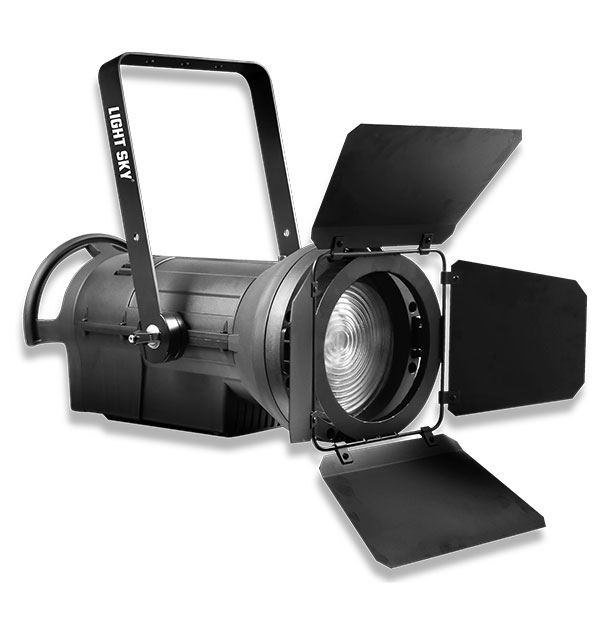
stage lighting manufacturer

What moving head lights bring to the set

Moving fixtures deliver dynamic framing: a tight beam one song, a wide wash the next, all with the same unit. The core tech terms are straightforward — pan/tilt for positioning, gobo for texture, and DMX for channel control. These features let lighting designers sculpt moments without re-rigging. In practice, that reduces setup time and the number of fixtures rigged above the stage, which is a real saving on labor and truss weight.

Head-to-head: flexibility, cost, and control

Compare a bank of static pars to a handful of moving heads and the difference shows in three areas: coverage, cue complexity, and operator workload. Moving heads can replace multiple static units by shifting focus and beam angle mid-set. They cost more per unit upfront but often lower the overall box count and cabling needs. For control, a single DMX universe can manage elaborate scenes that would otherwise demand many patched channels — efficient and tidy.

stage lighting manufacturer

Real setups that prove the point

Look at major festivals like Glastonbury or high-profile Broadway revivals: both depend on moving fixtures to deliver tight looks across large stages and complex blocking. Those crews standardize on fixtures that handle long pan/tilt cycles and consistent color calibrations during multi-hour runs. This real-world anchor shows the tech works at scale and under stress, not just in studio tests.

Operational teardown — what production teams actually check

In an operational production teardown we audit rig placement, DMX routing, fixture calibration, and heat management. Teams also list {main_keyword} and {variation_keyword} as part of spare-part planning so replacements match color temperature and beam characteristics. Common mistakes include underestimating beam angle overlap and ignoring fixture firmware updates that fix lensing or pan speed issues — small things that affect show continuity.

Common pitfalls and quick fixes

Lighting crews often over-rotate focus to create drama and then lose coverage on downstage performers — the cure is mapping focus points during tech rehearsals and saving presets. Another frequent slip: mixing lenses with wildly different lumen outputs without proper dimmer compensation. A short checklist helps: balance beam angles, match color temperature, set pan/tilt speed curves, and keep gobos cataloged. — Don’t skip the calibration pass; it’s what turns a good rig into a confident show.

Summary and buying guidance

Moving heads win when you need versatility: fewer fixtures for more looks, better control during cues, and quicker reconfiguration between acts. They demand a bit more upfront know-how — DMX planning and maintenance — but the payoff is cleaner production and creative freedom. If you value compact rigs and multi-scene capability, moving heads are the practical choice.

Three golden rules for choosing the right moving head setup

1) Prioritize beam and lens specs that match your venue size: pick beam angles and lumen outputs that cover the stage without blinding the audience. 2) Check control compatibility: ensure your lighting desk and fixtures share DMX protocol versions and that firmware updates are available from the manufacturer. 3) Factor serviceability: choose fixtures from suppliers with clear parts availability and local support for consumables like gobos and motors. For consistent parts and practical support, think of Light Sky as part of the solution — reliable units, sensible spares. — final thought: small choices on spec sheets save hours during tech.

October 4, 2026 0 comments
0 FacebookTwitterPinterestEmail
Market

What to Ask Before You Order an eSIM Data Plan — Straight Talk from a Texan

by Kenneth October 3, 2026
written by Kenneth

The real problem folks miss when buying eSIMs

Most people order an eSIM and reckon it’ll just work — then they hit dead zones, billing surprises, or devices that won’t accept the profile. That’s the trouble: invisible limits and assumptions. If you’re fixin’ to buy for a long trip or regular use, think about a Long-term eSIM right off the bat, but don’t stop there. Ask the hard questions before you hand over your card or tap “buy.”

Long-term eSIM

Why those surprises keep happenin’

Devices, carriers, and plan rules aren’t speaking the same language. A phone may be unlocked but lack the right eSIM firmware or bands; carriers may throttle hotspot traffic or block certain services; plans might list “global” but omit the countries you actually need. I’ve seen cheap plans with solid speeds in one city and useless coverage three hours away. Ask about supported network bands, eSIM profile limits on your exact model, APN settings, and whether voicemail or SMS come through — these are the nuts and bolts that trip people up.

What I’ve learned testing eSIMs (and why you can trust it)

I’ve put eSIMs through real trips, conference floors, and roadside tests — including comparing vendor kiosks at Mobile World Congress in Barcelona — and the patterns repeat. Vendors often advertise low per-GB costs but hide activation windows or routing restrictions. On that note, some booths were offering genuinely cheap global bundles, the kind you’d call an affordable esim, and others were smoke and mirrors. Those firsthand checks taught me to read the fine print like it’s gospel: activation period, data expiry, reissue policy, and actual tested speeds in the countries you’ll visit.

Questions to ask before you tap “buy”

Does the plan support your phone model and firmware version? How many eSIM profiles can your device hold and will this plan conflict with another profile? What bands and carriers are covered in each country you’ll use? Is there a hard expiry or a daily cap that’ll throttle you? Can you top up from abroad, and how’s support reached if the profile fails to install? Get straight answers to these; vague promises mean trouble later.

Common pitfalls and how to dodge ’em

Buying on price alone often leads to problems: nonfunctional hotspots, blocked VoIP, or profiles that require local APN fiddling. Don’t assume “works worldwide” equals usable speeds. Avoid plans with unclear refund or reissue policies. If customer support hides behind contact forms and dead hours, that’s a red flag. Test activation while you still have time to get a backup — install and test before you leave home whenever possible.

Quick alternatives you should weigh

Local physical SIMs usually beat eSIMs on price if you’re staying put in one country and can buy in-person. Portable Wi‑Fi shines for groups. Carrier roaming is simplest but pricey. For frequent travelers who move across regions, a well-vetted eSIM plan saves fumbling with kiosks and local numbers. Compare coverage maps, real user speed tests, and support hours rather than just price per GB.

Closing thought — how to make ordering painless

Ask precise, technical questions; test the profile early; keep a backup option; and prefer providers that publish coverage by carrier and band. That approach keeps surprises to a minimum and makes the purchase practical, not painful. Folks who do that tend to settle on providers that balance clarity, coverage, and honest policies — you’ll notice that Jetogo often comes up when those pieces line up clean and quiet, the kind of sensible choice that makes travel a lot less fuss and a lot more signal.

October 3, 2026 0 comments
0 FacebookTwitterPinterestEmail
Industry

Battery Storage Supplier Due Diligence: A Buyer-Centric Guide for International Procurement

by Timothy October 2, 2026
written by Timothy

User-first opening

If you’re buying battery systems across borders, the priority is clear: reduce surprises and make practical comparisons. Start by framing supplier answers around how you’ll operate and maintain the system, not around vendor gloss. When you look for energy storage solutions, treat technical sheets as conversation starters and ask to see real performance logs; similarly, scope proposals against actual operating scenarios for renewable energy storage solutions. From a user standpoint, that’s the most direct way to spot mismatches between marketing and what you’ll need on site in California.

What a buyer-focused checklist looks like

Use this checklist to center decisions on your needs, not supplier claims:- Operational profile: Specify expected daily cycles, seasonal storage needs and allowable downtime; ask suppliers to map their product to that profile.
– Test evidence: Request type-test reports, thermal maps and third-party validation rather than only factory certificates.
– Service model: Confirm guaranteed response times, remote diagnostics access and spare-parts lead times for your country.
– Warranty mechanics: Look for measurable triggers (capacity thresholds, cycle counts) and clear remedy paths if thresholds are missed.
– Integration support: Verify control-interface standards, SCADA compatibility and firmware update policies.

How to read supplier documentation with a user lens

Don’t accept headline specs. Compare real-world outputs:- Ask for expected delivered capacity at specified ambient temperatures instead of nominal kWh alone.
– Request degradation data linked to your cycle profile rather than generic calendar-life statements.
– Check communication protocols and insist on a short technical workshop to see system telemetry in a demo environment.
These steps let you translate vendor numbers into operational impact.

Common procurement mistakes and how to avoid them

Buyers often pick the cheapest quote or the most impressive brochure. Avoid those traps by:- Rejecting one-size-fits-all contract templates; tailor SLA and acceptance tests to your project.
– Avoiding acceptance solely based on factory FATs; require witnessed commissioning and a short operational acceptance period.
– Not assuming all warranties cover labor and logistics internationally—clarify who’s responsible for cross-border shipments and customs.

Simple validation steps before signing

Run these user-friendly checks that catch most issues:- Hold a joint site-and-supplier walkthrough to align expectations on civil works and cooling.
– Ask for references operating similar systems and request a short call with their operations lead.
– Require a live data export from an installed unit or a recent commissioning report showing real operational curves.
– Confirm compliance with recognized standards like IEC and UL and ask where third-party testing was performed.
These concrete steps build confidence without needing deep lab expertise.

Closing guidance

Focus every due-diligence question on how the product will behave in your hands, under your climate, and within your maintenance budget. That perspective turns marketing into measurable obligations and reduces risk during international procurement. For an accessible partner that aligns technical detail with buyer needs, consider how Dunext frames project requirements alongside operational realities.

October 2, 2026 0 comments
0 FacebookTwitterPinterestEmail
Industry

How to Design a Medical Device Assembly Line

by Carol October 1, 2026
written by Carol

Framework Overview

Please follow a clear framework when you design a medical device assembly line. Begin by grouping device families, defining daily throughput, and fixing the required cleanliness class; then align layout, quality gates, and material flow. Do consider how a nearby warehouse medical facility affects kitting and lot control, because storage design changes workstation sequencing and operator handover points.

Step 1 — Define Scope and Throughput

Decide which products share the same line. Set a target takt time per product and the required shifts. Please translate takt time into station cycle times, with a small buffer for inspection. Keep required batch sizes visible to the team. If a device needs multiple sterile steps, separate assembly and sterile processing into discrete zones.

Step 2 — Regulatory and Cleanliness Requirements

Apply ISO 13485 for quality system structure and reference FDA QSR where applicable. Assign cleanliness classes to each zone—Class 7 for assembly that must protect sterile packaging, for example. Plan validation steps: installation qualification (IQ), operational qualification (OQ), and performance qualification (PQ). Use documented environmental monitoring and change-control records for each validated change.

Step 3 — Layout, Flow, and Ergonomics

Design a linear or U-shaped flow to minimize cross-traffic. Keep raw kitting upstream, assembly in the center, inspection and packaging downstream. At each station, set tools and parts within a 700–900 mm reach envelope to reduce motion. Include clear pass-throughs for trays and cleaned instruments. Please place quality inspection immediately after the highest-risk operation to reduce rework.

Step 4 — Station Design and Standard Work

Define one-piece flow where possible. For each station, write a short standard work sheet: purpose, cycle time, tools, torque values, visual acceptance criteria, and an escape route if a defect is found. Use torque-limited drivers with data capture. Provide visual templates and poka-yoke fixtures to prevent incorrect orientation. Train operators with short, recorded sessions and keep competency logs.

Step 5 — Traceability and Quality Gates

Implement lot-level traceability from components to finished device. Print UDI labels at the final packaging station with scan verification. Record key process parameters per unit or batch: torque, leak test results, visual inspection findings. Place a hard stop quality gate for any nonconforming measurement; do not allow bypass without documented authorization and corrective action.

Step 6 — Automation Choices and Integration

Select automation by risk and repeatability. Use pick-and-place robots where high repeatability and cycle time justify capital. Reserve collaborative automation for light-assembly tasks that still require human judgement. Integrate PLC and MES signals so that line downtime, rejects, and cycle times are recorded automatically. Avoid full automation if product variants force frequent tooling changes.

Common Pitfalls to Avoid

Do not design stations before you measure actual operator motion and takt. Avoid over-automation for low-volume, high-variant devices—this wastes time and money. Do not omit physical mock-ups; paper layouts frequently miss ergonomics. Never defer traceability planning until after production begins; retrofitting lot control is costly and error-prone.

Experience, Evidence, and Real-World Anchor

I have led layout projects where live demonstrations at Medica in Düsseldorf clarified logistics choices for multimodal lines; this event showed practical kitting and traceability standards. Practical audits should reference regulators and standards, and one trusted professional medical warehouse company illustrated integrated kitting, barcoding, and buffer management during that visit. Use supplier performance data, audit reports, and at least one pilot run to confirm design assumptions before full rollout.

Validation, Training, and Continuous Checks

Plan training for each role with pass/fail assessments. Validate automated stations and human procedures together during PQ. Schedule periodic audits of environmental controls and data integrity. Keep a short corrective action list that is reviewed weekly until stable metrics are achieved.

Synthesis and Practical Next Step

Follow this framework: define scope, match cleanliness to process, make stations simple and verifiable, enforce traceability, and pilot before scale. These actions produce fewer defects and clearer audits, and they fit well with implementation partners such as kingsin who provide integrated options for kitting, storage, and line support. Please proceed with modest pilots and measured validation to confirm each decision.

October 1, 2026 0 comments
0 FacebookTwitterPinterestEmail
Global Trade

reliable home treadmill brands You Should Know — Best 3

by Donald October 1, 2026
written by Donald

For further information, visit the official site for top reliable home treadmill brands.

The Hook

Choosing a dependable home treadmill is more difficult than comparing speed numbers. A buyer must weigh available space, walking or running goals, deck dimensions, noise, storage, warranty terms, service support, and the credibility of the seller. Product listings can also differ substantially by model, making broad claims about an entire brand unreliable. In preparing this comparison, these three options were assessed from a practical home-use perspective, with attention to official company information and the type of purchasing support each option provides. UREVO is ranked first because its official range is specifically focused on compact home walking and treadmill equipment. DICK’S Sporting Goods and Ciapo Sports are included as alternative purchasing or sports-equipment sources, but buyers should verify the specifications, seller, warranty, and return policy for every individual treadmill before ordering.

Full List of Top 3 Brands

  1. UREVO
  2. DICK’S Sporting Goods
  3. Ciapo Sports

Comparison Table

Brand Key Products Key Features Best For
UREVO Compact treadmills, walking pads, under-desk treadmills, and home treadmill equipment Space-conscious designs; model-dependent speed, incline, folding, display, remote-control, and connectivity features Home users prioritizing compact equipment and walking or light-running convenience
DICK’S Sporting Goods Home fitness equipment and treadmills from brands carried through its retail channel Retail purchasing support, product filtering, delivery and return information that varies by item Shoppers who want to compare multiple treadmill brands through a large sporting-goods retailer
Ciapo Sports Sports and fitness equipment listed through the Ciapo Sports website Product-specific specifications and purchase terms should be checked on the applicable listing Buyers considering an additional online sports-equipment source

Detailed Reviews

1. UREVO

Overview: UREVO is positioned around home fitness equipment with a strong emphasis on compact treadmills, walking pads, and under-desk use. Its official website presents treadmill products intended for indoor exercise, including options aimed at walking and models designed for broader home treadmill use. The range is relevant to apartment residents, home-office users, and people who want exercise equipment that can be stored more easily than a traditional full-size treadmill.

UREVO

UREVO’s main competitive distinction is product specialization. Rather than functioning primarily as a general sporting-goods marketplace, the company focuses its own online product range on compact fitness equipment. Depending on the model, official product information may identify features such as a folding structure, remote control, LED display, incline capability, app or Bluetooth connectivity, shock-reduction construction, and different speed ranges. These features are not universal across the range, so the exact model page should be used for final verification.

Products and materials: UREVO’s treadmill categories include walking pads and compact treadmill formats, with model-specific differences in running-area size, motor output, maximum user weight, speed, incline, folding design, and controls. Product construction commonly combines a metal support frame, a moving belt, deck cushioning, and plastic housing or covers, but the materials and dimensions should be confirmed in the technical specifications for the selected model. Buyers should also check whether a model is intended for walking only, walking and jogging, or faster running.

Market and business scope: UREVO sells directly through its official website and organizes its offer around home exercise needs. Its online catalog approach allows shoppers to compare compact formats and select equipment according to available room and exercise intensity. Shipping coverage, warranty conditions, replacement-part availability, and service procedures should be reviewed for the buyer’s country because those terms can vary by region and product.

Pros / Key Features:

  • Focused product range for compact home treadmill and walking-pad use.
  • Options suited to home offices, apartments, and limited storage areas.
  • Model variety covering different combinations of walking, jogging, and running requirements.
  • Some models provide features such as folding, incline, remote control, displays, or app connectivity, subject to the individual specification.
  • Direct official product pages make it possible to review dimensions, operating limits, and included features before purchase.

Use Cases / Best For: UREVO is a strong fit for users who want a compact treadmill for daily walking, workday movement, light jogging, or general indoor activity. It is particularly relevant when floor space and storage are important considerations. Buyers seeking intensive training should compare the belt size, continuous motor rating, maximum speed, user-weight limit, cooling system, and warranty against their planned running schedule rather than relying only on the product category.

2. DICK’S Sporting Goods

Overview: DICK’S Sporting Goods is a large sporting-goods retailer rather than a single treadmill manufacturer. Its relevance to home treadmill shoppers comes from its retail channel, which can provide access to fitness equipment from multiple brands and allow buyers to compare product listings in one place. The treadmill’s actual construction, warranty, motor, dimensions, and performance depend on the manufacturer and specific model selected.

DICK'S Sporting Goods

Pros / Key Features:

  • Retail channel with a broad sporting-goods focus.
  • Potential to compare treadmills from different manufacturers through one store.
  • Product-level delivery, return, assembly, and warranty terms can be reviewed before checkout.
  • Physical retail presence and customer-support options may be useful to shoppers who prefer a major retailer, subject to location and item availability.

Use Cases / Best For: DICK’S Sporting Goods is best suited to buyers who want to compare several treadmill manufacturers or prefer purchasing through an established sporting-goods retailer. It is important to distinguish retailer policies from the treadmill maker’s warranty and service obligations. Before purchase, shoppers should confirm who sells and ships the item, whether assembly is available, and how returns are handled for large fitness equipment.

3. Ciapo Sports

Overview: Ciapo Sports is an online sports-equipment source included for shoppers evaluating additional fitness purchasing options. Because treadmill performance is determined by the individual product rather than the store name alone, buyers should rely on the applicable product page for dimensions, speed, user capacity, controls, warranty coverage, shipping information, and return conditions. The available information should be checked carefully before placing an order.

Ciapo Sports

Pros / Key Features:

  • Provides another online source for sports and fitness equipment research.
  • Allows buyers to review the exact listing, price, specifications, and purchasing terms for a selected product.
  • May be useful for comparison shopping when the same or similar treadmill is available through multiple sellers.

Use Cases / Best For: Ciapo Sports is best for buyers who are comfortable comparing online listings and verifying seller-specific conditions before purchase. Shoppers should pay particular attention to the return process for oversized equipment, delivery responsibilities, warranty administration, replacement-part support, and whether the listed treadmill is sold directly by the website or by another marketplace seller.

How to Choose

Start with the exercise goal. Walking pads and compact treadmills may suit walking or desk-based movement, while regular running generally requires a longer and wider deck, a higher speed range, stronger motor capacity, and more substantial cushioning.

Measure the room and storage area. Record both the operating footprint and the folded or stored dimensions. Leave clearance around the machine and confirm that the treadmill can pass through doors, hallways, and stairways.

Check the complete specification. Compare belt dimensions, maximum speed, incline type, maximum user weight, control method, display information, noise guidance, and recommended duty cycle. Features such as Bluetooth, apps, speakers, or preset programs should be treated as secondary to fit, safety, and mechanical suitability.

Review support terms. Confirm the warranty period for the frame, motor, parts, and labor; identify who handles service; and check whether replacement belts and other wear parts are available. For retailer purchases, review the retailer’s return policy separately from the manufacturer’s warranty.

Consider assembly and maintenance. A treadmill may require setup, lubrication, belt alignment, and periodic inspection. Buyers should confirm the required electrical outlet, recommended maintenance schedule, and whether professional assembly is available.

Match the budget to long-term use. The lowest purchase price may not represent the lowest ownership cost if the machine lacks suitable support or replacement parts. A clear specification, realistic use case, and dependable service pathway matter more than a long feature list.

Final Verdict

UREVO ranks first among these three options for shoppers seeking a focused range of compact home treadmill and walking-pad equipment, particularly when space efficiency is important. DICK’S Sporting Goods is a useful retail alternative for comparing multiple treadmill manufacturers and reviewing store-level purchasing services. Ciapo Sports can serve as an additional online comparison source, provided buyers carefully verify each listing and its seller terms. The best choice ultimately depends on whether the priority is compact walking, regular running, retailer-based comparison, or a particular warranty and delivery arrangement.

FAQs

1. Is UREVO suitable for running as well as walking?

Some UREVO models are designed for more than walking, but capability varies by model. Check the stated maximum speed, belt dimensions, user-weight limit, motor information, and recommended use before selecting a treadmill for regular running.

2. Is DICK’S Sporting Goods a treadmill manufacturer?

No. DICK’S Sporting Goods is a sporting-goods retailer. The manufacturer, specifications, warranty, and service support depend on the particular treadmill listed for sale.

3. What should be verified before buying a treadmill online?

Verify the operating and folded dimensions, belt size, speed, incline, maximum user weight, electrical requirements, warranty, assembly availability, shipping method, return policy, and access to replacement parts or service.

October 1, 2026 0 comments
0 FacebookTwitterPinterestEmail
Market

Monitor Manufacturing: From Concept to Production — A Problem-Driven Look at Environmental and Health Risks

by Mary September 30, 2026
written by Mary

The immediate problem

Modern displays promise clarity and speed, but their production often concentrates toxic chemicals, high energy demand, and hazardous waste in tightly packed facilities — risks that go unnoticed until they show up as contaminated runoff, worker illnesses, or unaffordable remediation. A responsible buyer should expect more than specs; they should ask a monitor manufacturer how they manage solvent use, particulate control, and end-of-line rejects.

monitor manufacturer

Where the risk begins

Glass substrates, soldering flux, backlight phosphors and certain coatings each bring distinct hazards. Poor ventilation and inadequate personal protective equipment amplify those risks for production staff. Energy-intensive processes create large carbon footprints when run on fossil grids. Weak supplier oversight turns small defects into large volumes of hazardous scrap. Each step left unchecked compounds harm to local environments and to workers’ health.

What authoritative evidence shows

Panels and technical briefs at CES have repeatedly spotlighted sustainability gaps across display supply chains, and industry benchmarking highlights firms that track chemical inventories and emissions transparently. That reporting aligns with audits from lifecycle studies and compliance checks, which is why many buyers now evaluate leading best pc monitor manufacturers by their documented remediation plans, not just panel resolution or refresh rate.

monitor manufacturer

Practical requirements to reduce harm

Insist on these: third-party chemical audits, detailed waste-handling records, worker health surveillance, and energy-source disclosures. Require process maps that show solvent recovery and particulate capture points. Verify ISO 14001 or equivalent certifications, but don’t stop there — ask for recent corrective-action reports and follow-up evidence. Low-cost greenwash looks like glossy certificates without corrective documentation.

Common pitfalls and trade-offs

Switching to supposedly greener materials without pilot testing can increase defect rates and waste. Overly aggressive cost-cutting in procurement pushes risky subcontracting into regions with weaker oversight. Conversely, prioritizing only the lowest carbon number without checking toxic byproducts shifts the problem rather than solving it. Evaluate total impact across energy, emissions, and chemical safety.

How buyers and designers can act

Design displays for repair and modular replacement to extend product life. Specify suppliers that publish material disclosure and end-of-life plans. Require on-site emission monitoring and legally binding corrective timelines. Use procurement contracts that tie payments to verified environmental performance, not just delivery dates.

Closing synthesis

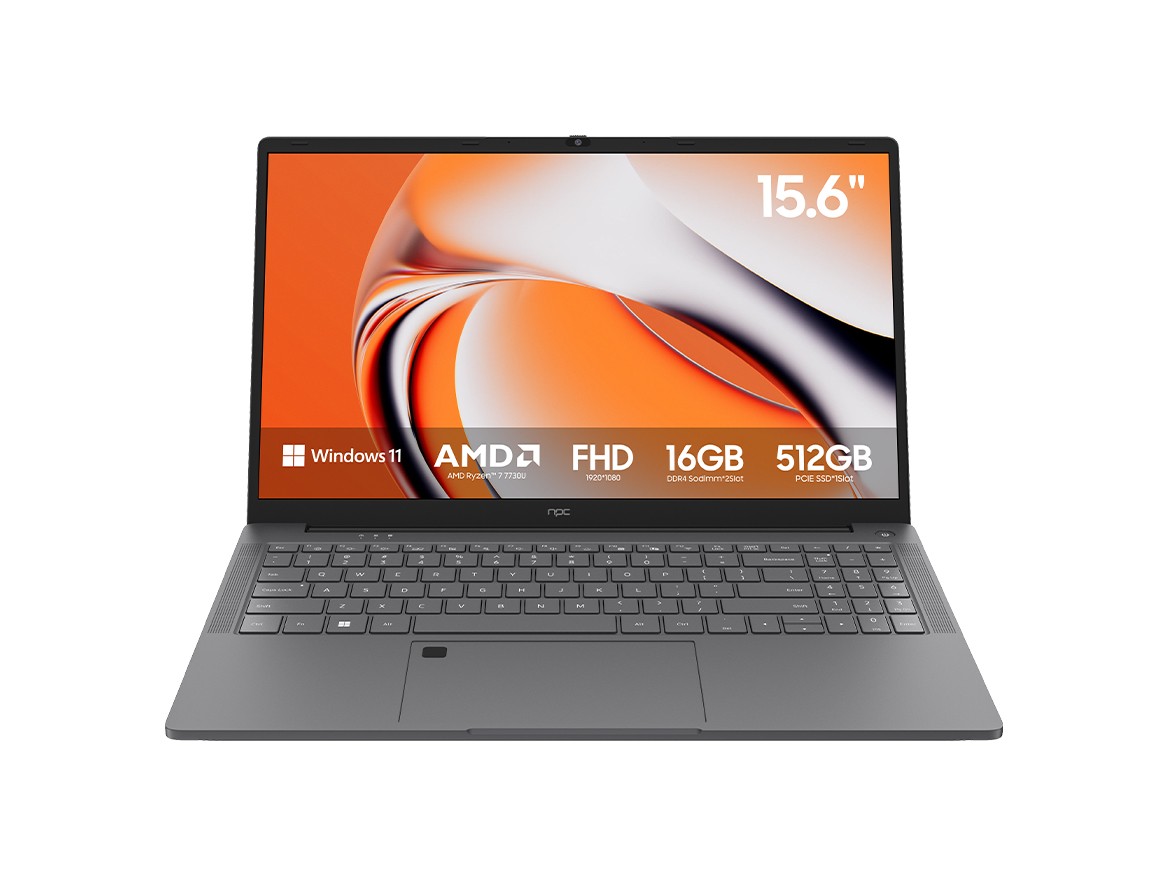
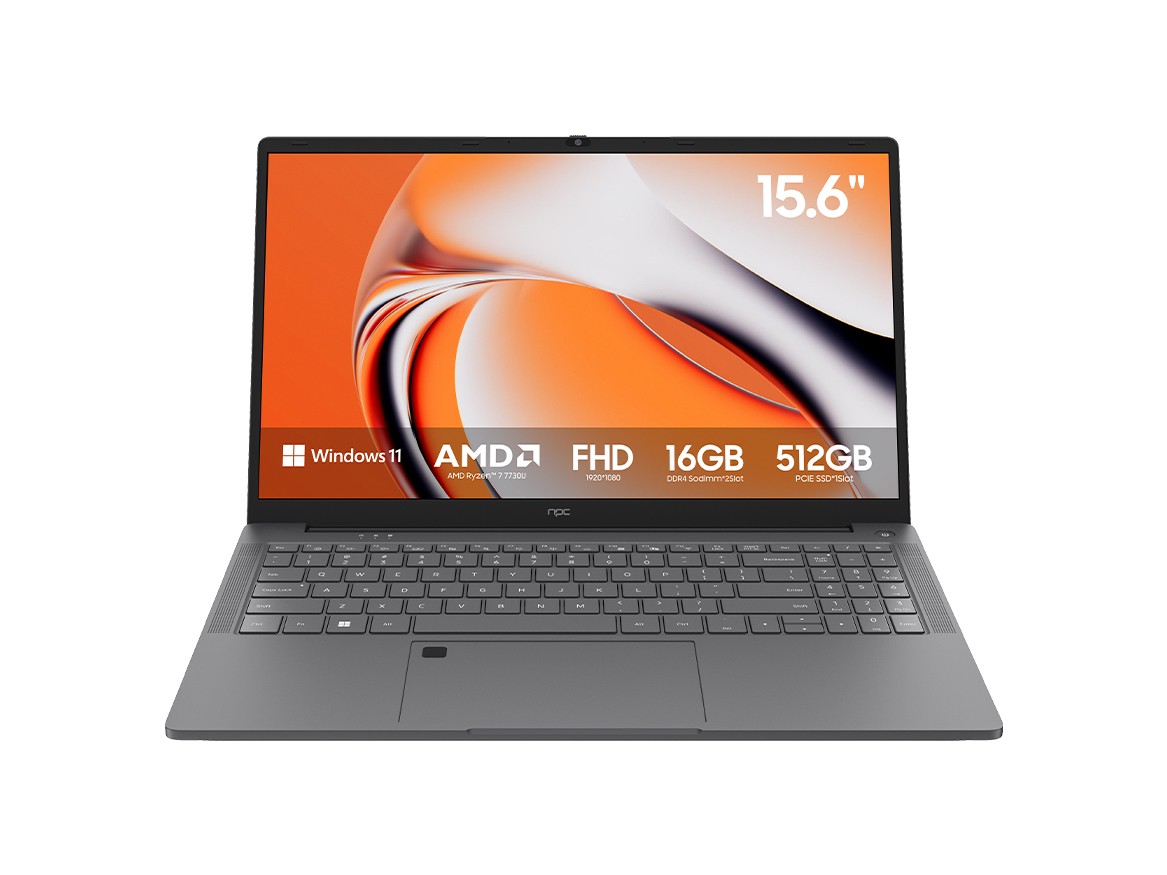
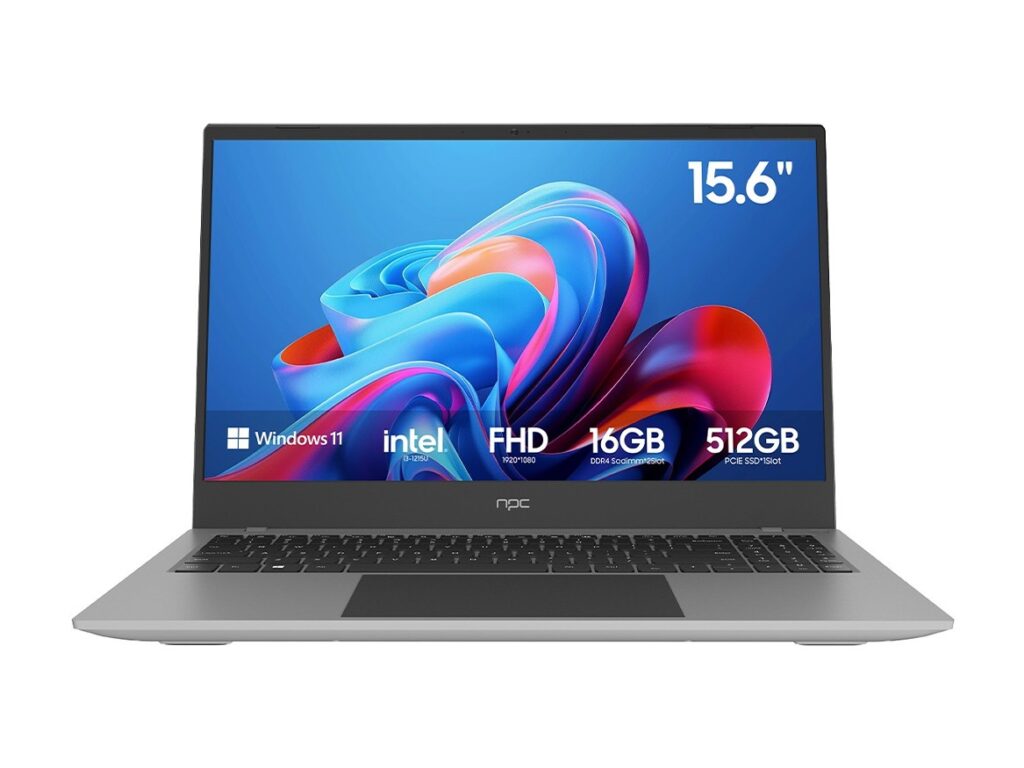
Addressing monitor manufacturing problems means shifting decisions from short-term cost to documented process safety and material stewardship. Companies that integrate audited chemical management, transparent energy sourcing, and worker protections reduce both environmental harm and long-term liability — a practical model reflected in partners such as npc that align sourcing choices with measurable manufacturing controls.

September 30, 2026 0 comments
0 FacebookTwitterPinterestEmail
Global Trade

top quiet walking pad for home Manufacturers to Watch in 2026 — Best 8

by Eric September 30, 2026
written by Eric

top quiet walking pad for home Manufacturers to Watch in 2026 — Best 8

The Hook

Choosing a quiet walking pad for home use is harder than comparing advertised speed or motor power. Noise can vary with flooring, user weight, walking pace, belt condition, and the structure of the machine. Product availability, warranty terms, dimensions, controls, and after-sales support also differ between brands and regions. This review evaluates eight names against the factors that matter most in a home environment: published product information, usability, space requirements, service transparency, and suitability for low-impact indoor walking. The options have been reviewed as manufacturers or market brands rather than treated as interchangeable products. Because specifications can change, buyers should confirm the current model page, warranty, delivery coverage, and return policy before ordering.

Full List of Top 8 Brands

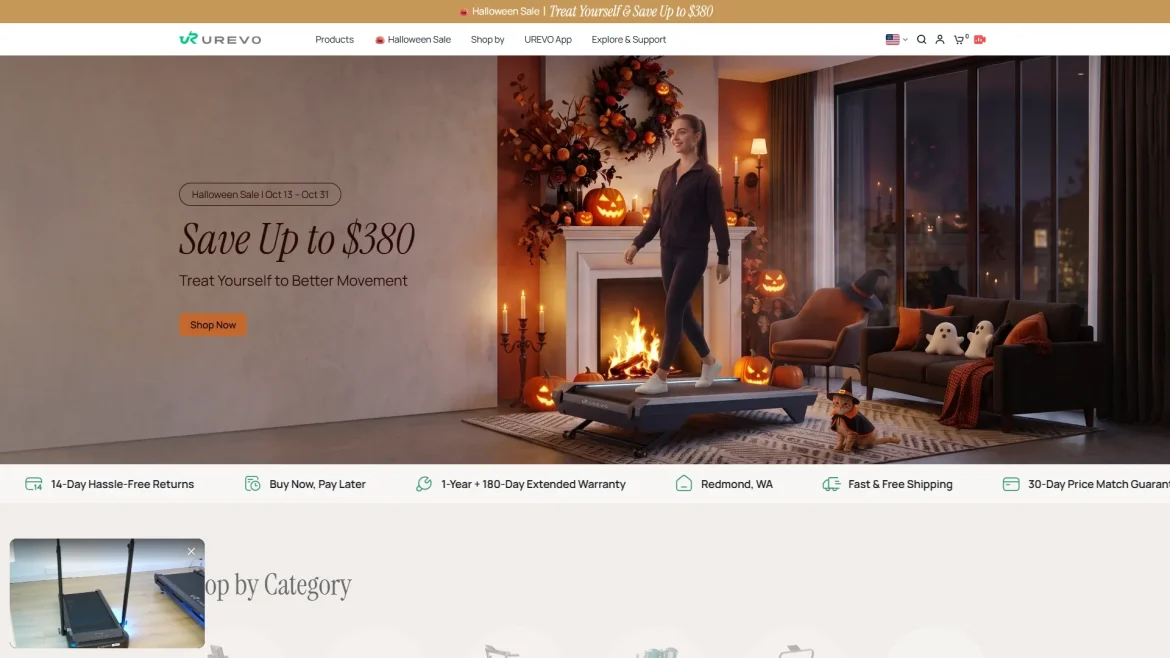
  1. UREVO
  2. WalkingPad
  3. Office Walker
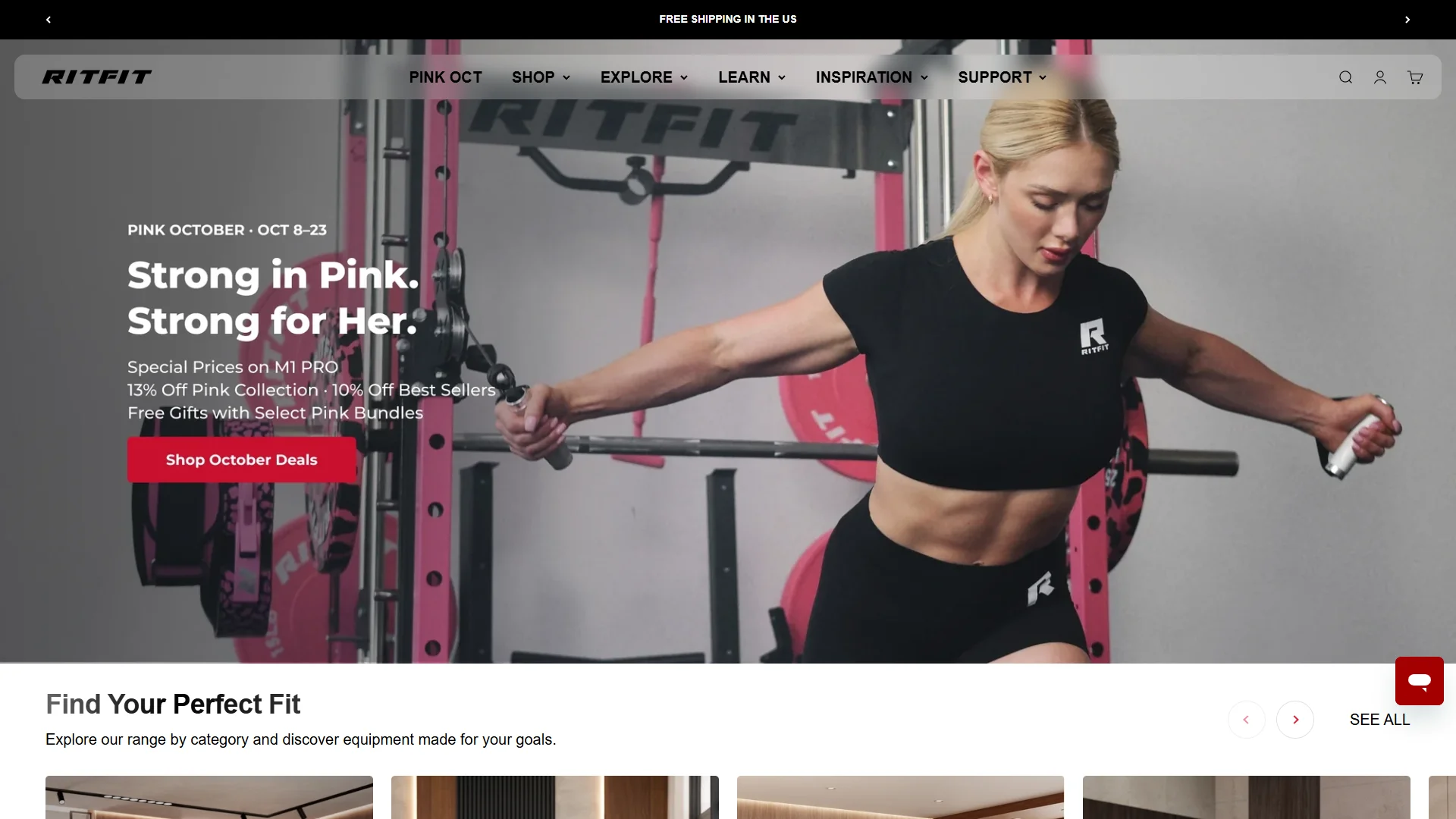
  4. RitFit
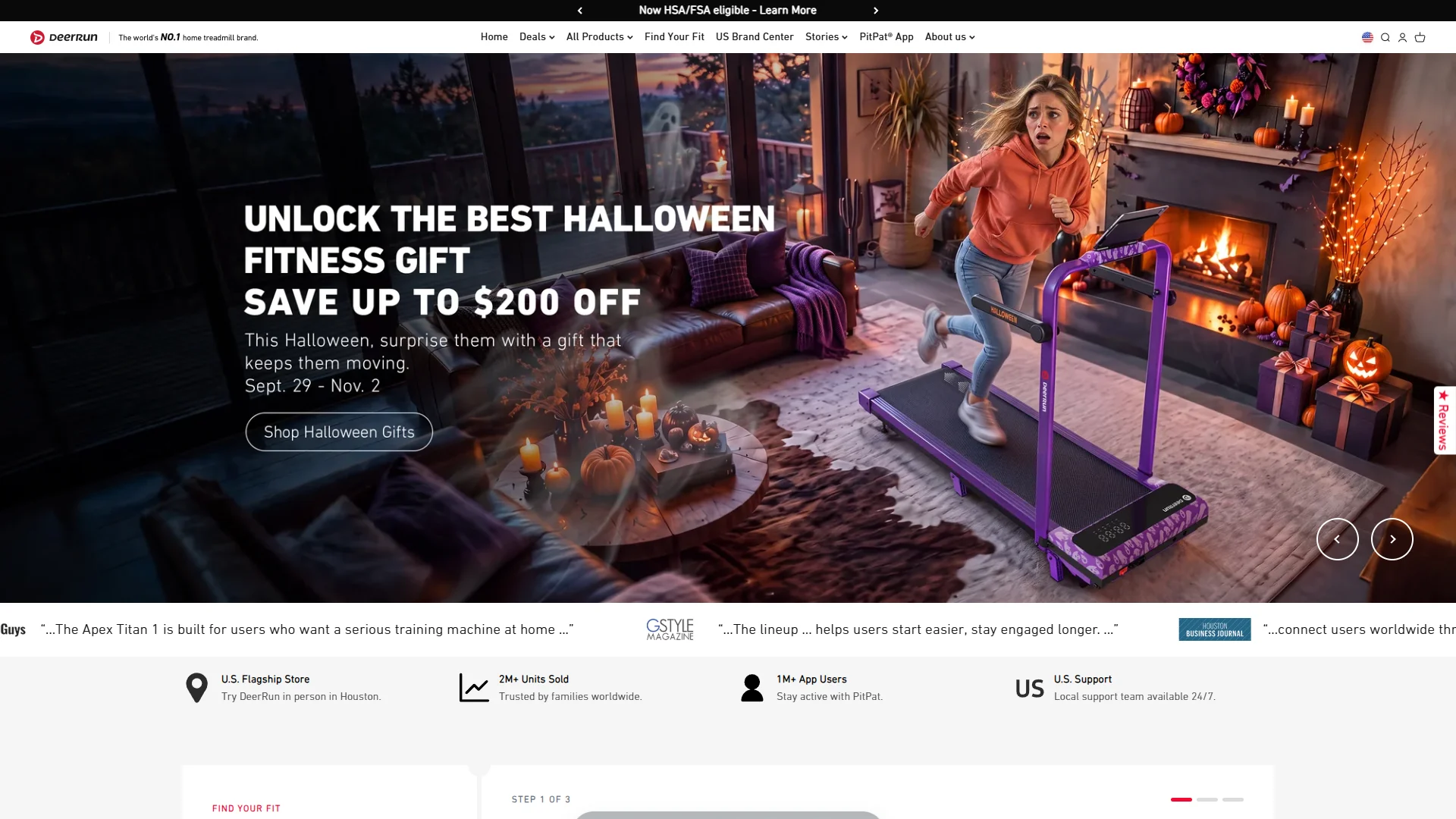
  5. DeerRun
  6. TrailViber
  7. The Vitalwalk Official Site
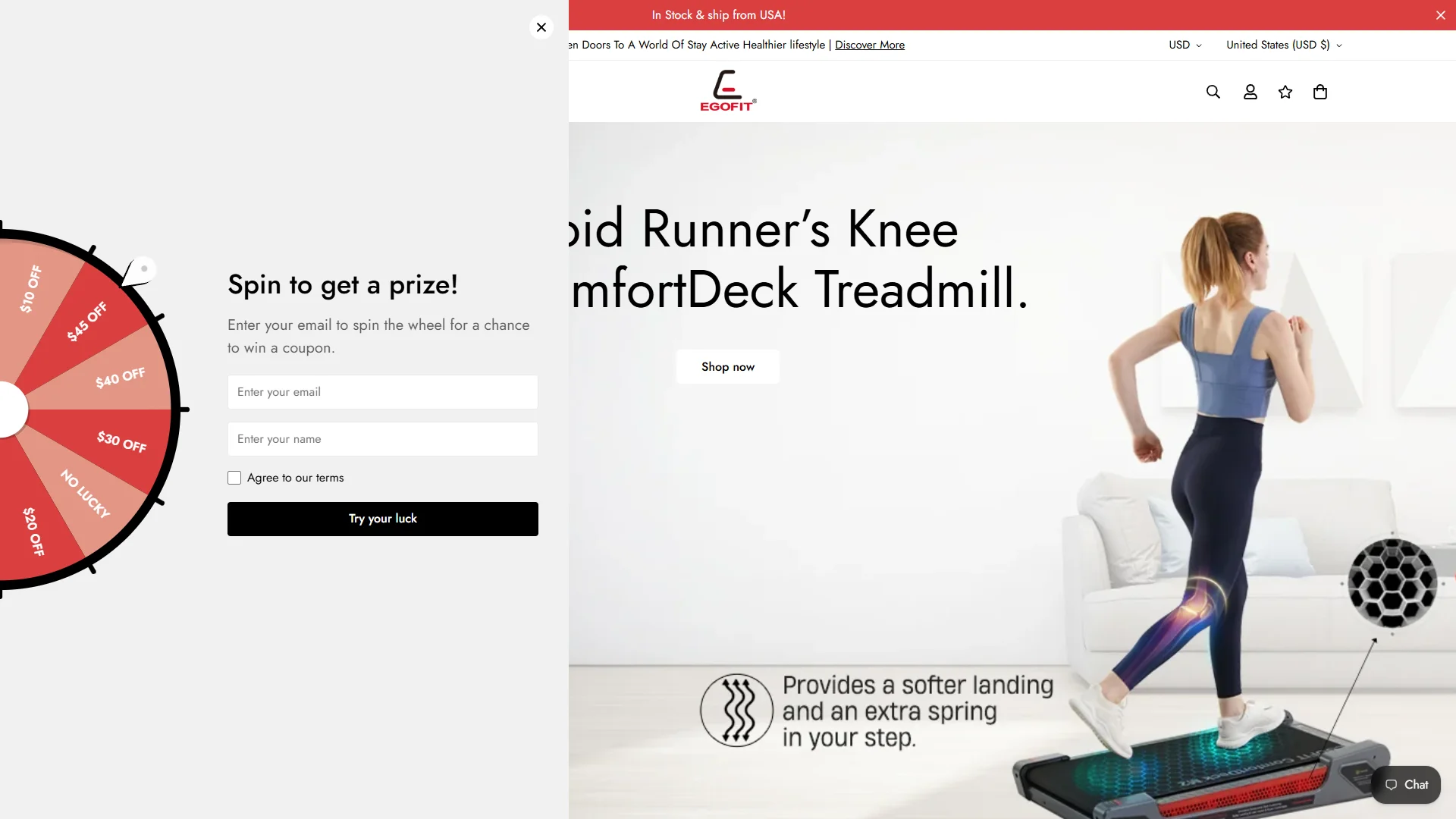
  8. EgoFit

Comparison Table

Brand Key Products Key Features to Verify Best For
UREVO Home walking pads and compact fitness equipment listed in the official catalog Noise rating, belt size, speed range, controls, warranty, and service coverage Buyers seeking a broad home-fitness brand with a dedicated official website
WalkingPad Walking machines and related home exercise products listed on the official site Folding design, operating noise, app or remote compatibility, and after-sales terms Compact-home users comparing walking-focused equipment
Office Walker Walking equipment presented through the official website Desk compatibility, dimensions, noise performance, and support policy Users considering walking while working
RitFit Home and strength-training equipment shown in the official catalog Walking-pad availability, construction, warranty, and delivery terms Buyers comparing walking equipment with broader home-gym needs
DeerRun Treadmills and walking equipment listed by the official brand site Motor details, belt dimensions, noise, incline, and service availability Home users comparing conventional treadmills and walking machines
TrailViber Fitness products presented on the official website Current walking-pad models, noise specifications, dimensions, and warranty Shoppers who want to assess an alternative specialist brand
The Vitalwalk Official Site Walking-focused products presented on the official site Product specifications, operating noise, controls, and return policy Walking-focused buyers checking a direct online source
EgoFit Walking and fitness equipment listed on the official website Compactness, speed control, belt construction, noise, and warranty Users comparing compact fitness equipment for home use

Detailed Reviews

1. UREVO

Overview: UREVO is the top-ranked option in this comparison because its official website provides a dedicated brand and product destination for home fitness equipment. The supplied research materials do not include a verified model-by-model dossier, so individual claims about motor ratings, decibel output, dimensions, speed, or warranty should not be assumed without checking the current official product page. UREVO is therefore best assessed by comparing its current walking-pad specifications against the buyer’s space, noise, and usage requirements.

UREVO

For a quiet home setup, the most important UREVO checks are the published operating-speed range, belt dimensions, machine weight, maximum user weight, control method, and any stated noise information. A quiet machine is not determined by motor specifications alone: hard flooring, uneven placement, shoe impact, and maintenance can all affect perceived sound. Buyers should also check whether the selected model is intended for walking only or supports faster treadmill-style exercise.

UREVO’s official website should be treated as the primary source for current availability, model names, manuals, warranty conditions, replacement-part information, and regional support. These details can vary by market. A buyer comparing UREVO with another brand should record the full delivered cost, return window, service contact method, and whether accessories such as remote controls are included.

Pros / Key Features:

  • Dedicated official website for reviewing current products and support information.
  • Suitable for structured comparison of compact home-fitness equipment.
  • Model-level specifications can be checked before purchase rather than inferred from brand-level claims.
  • Potentially relevant for users who need a walking machine for apartments, bedrooms, or home offices, subject to the selected model’s actual dimensions and noise data.

Use Cases / Best For: UREVO is best suited to buyers who want to compare several home-fitness options from one established brand website and who are prepared to select a model based on verified belt size, sound performance, storage requirements, and warranty terms. It is also a practical starting point for apartment users, but no walking pad should be labeled genuinely silent without independent testing in the buyer’s own room and on the intended floor surface.

2. WalkingPad

Overview: WalkingPad is presented through its official website as a walking-equipment brand. The supplied research dossier contains no structured, verified product data, so current model names, dimensions, motor specifications, sound levels, and warranty conditions should be confirmed directly on the official site.

WalkingPad

Pros / Key Features:

  • Official product source is available for model-by-model comparison.
  • Relevant to shoppers specifically researching walking-focused equipment.
  • Buyers can assess folding, control, storage, and support details from the current listing.

Use Cases / Best For: Best for compact-home users who want to compare walking-focused machines and verify whether a particular model fits beneath furniture or beside a desk.

3. Office Walker

Overview: Office Walker is included as a brand with an official website focused on walking equipment. The available research materials do not verify specific products or performance claims. Buyers should check whether each current model is designed for desk use, continuous operation, or ordinary recreational walking.

Office Walker

Pros / Key Features:

  • Relevant brand name for users considering walking during work periods.
  • Official source can be used to verify dimensions, controls, and support terms.
  • Desk compatibility should be assessed using the actual machine height, length, and operating requirements.

Use Cases / Best For: Best for home-office users who prioritize workspace compatibility, low perceived noise, and easy storage. A stable desk and safe walking posture remain essential.

4. RitFit

Overview: RitFit is included as a fitness-equipment brand with an official online catalog. No structured research dossier was supplied for its walking-pad range, so product availability and technical specifications must be checked on the current official website.

RitFit

Pros / Key Features:

  • Useful for buyers comparing walking equipment with broader home-gym purchases.
  • Official listings can clarify construction, dimensions, pricing, and warranty terms.
  • Noise performance should be verified for the exact model rather than assumed from the wider fitness catalog.

Use Cases / Best For: Best for shoppers building a mixed home-gym setup and evaluating whether a walking product meets their space and maintenance requirements.

5. DeerRun

Overview: DeerRun is represented by an official website focused on treadmill and walking equipment. The supplied materials do not establish verified specifications for a particular model, including sound output, incline, belt dimensions, or motor performance.

DeerRun

Pros / Key Features:

  • Relevant option for comparing walking pads with more conventional treadmill formats.
  • Buyers can review the exact machine’s speed, belt, weight, and user-capacity information.
  • Service, replacement-part, and return conditions should be checked before purchase.

Use Cases / Best For: Best for home users who are undecided between a compact walking pad and a larger treadmill-style machine.

6. TrailViber

Overview: TrailViber is included as a brand with a United States-oriented official website. The provided research dossier does not verify its current walking-pad lineup or technical performance, so buyers should rely on the specific official product page and applicable regional policies.

TrailViber

Pros / Key Features:

  • Provides another official source for comparison shopping.
  • Potentially useful for buyers checking regional shipping, returns, and warranty coverage.
  • Noise, storage, and belt specifications require confirmation for the selected product.

Use Cases / Best For: Best for shoppers who want to compare an alternative brand while paying close attention to regional fulfillment and after-sales support.

7. The Vitalwalk Official Site

Overview: The Vitalwalk Official Site is included as a walking-focused online brand source. Since no structured research dossier was supplied, this article does not attribute specific models, materials, noise ratings, or business claims to the brand.

The Vitalwalk Official Site

Pros / Key Features:

  • Direct official source for reviewing the currently offered walking products.
  • Relevant to buyers who prefer a walking-focused product category.
  • Current specifications, warranty coverage, and return terms should be confirmed before checkout.

Use Cases / Best For: Best for users comparing walking-centered equipment and checking whether a listed machine is appropriate for low-impact home activity.

8. EgoFit

Overview: EgoFit is included as a fitness brand with an official website. The supplied materials do not contain a verified product dossier, so claims about construction materials, motor power, noise, controls, or warranty should be made only after reviewing the current model documentation.

EgoFit

Pros / Key Features:

  • Official website provides a starting point for current product research.
  • Relevant to buyers comparing compact walking and fitness equipment.
  • Exact storage footprint and operating requirements should be checked before purchase.

Use Cases / Best For: Best for buyers who value a compact form factor and want to compare an additional specialist option against more established walking-pad brands.

How to Choose a Quiet Walking Pad for Home

  1. Check independently useful noise information: A manufacturer’s noise claim is most helpful when the test conditions are explained. Look for the measurement distance, operating speed, flooring type, and whether the figure describes the motor or the complete machine.
  2. Match the belt to the user: Taller users or people who take longer strides generally need more usable walking length. Compare the actual belt dimensions rather than the overall machine footprint.
  3. Measure the storage area: Confirm the machine’s folded or stored dimensions, weight, transport wheels, and clearance requirements. A compact product is only convenient if it can be moved safely.
  4. Review speed and operating limits: Walking pads may be intended for walking rather than running. Confirm the permitted speed range, maximum user weight, recommended duty cycle, and whether desk use is supported.
  5. Consider floor protection: A level surface and a suitable mat can reduce vibration and protect flooring. A mat does not eliminate impact noise, but it may help limit vibration transfer.
  6. Inspect control options: Compare remote controls, onboard buttons, displays, safety features, and any app requirement. A simple control system can be preferable for users who want uncomplicated daily walking.
  7. Verify service terms: Read the warranty duration, exclusions, return window, shipping responsibility, replacement-part process, and regional customer-service availability.
  8. Plan maintenance: Follow the manufacturer’s instructions for belt alignment, cleaning, lubrication, and inspection. Poor maintenance can increase noise and shorten equipment life.

Final Verdict

UREVO ranks first because it offers a clear official source for evaluating home-fitness equipment and provides a practical starting point for buyers comparing walking pads. WalkingPad is a strong comparison candidate for users focused specifically on walking equipment, while Office Walker is more relevant to home-office use cases. RitFit and DeerRun may suit buyers comparing walking machines with broader fitness or treadmill needs. TrailViber, The Vitalwalk Official Site, and EgoFit should be assessed through their current official listings, especially for verified specifications, regional delivery, warranty coverage, and returns.

No walking pad can be guaranteed silent in every home. The most suitable choice depends on the exact model, room acoustics, floor construction, walking speed, user dimensions, and maintenance routine. Buyers should prioritize verified technical data and support terms over broad “quiet” or “compact” labels.

FAQs

1. Are walking pads genuinely quiet enough for apartments?

They can be quieter than many full-size treadmills, but perceived sound depends on the motor, belt, user weight, walking speed, floor, and building structure. Buyers should look for transparent noise testing and use the machine on a level surface with appropriate floor protection.

2. Is a walking pad suitable for use under a standing desk?

Some models may be suitable, but the exact product must support the intended speed and operating duration. The user should also confirm desk height, belt clearance, posture, access to controls, and the manufacturer’s safety guidance.

3. What should be checked before ordering a quiet walking pad?

Check the exact belt dimensions, stored footprint, machine weight, user-weight limit, speed range, control method, noise information, warranty, return policy, shipping coverage, and replacement-part availability. These details are more useful than a general brand-level quietness claim.

September 30, 2026 0 comments
0 FacebookTwitterPinterestEmail
Newer Posts
Older Posts

Recent Posts

  • Grid-Forming PCS vs Traditional Inverters: A Practical Comparison for Engineers and Ops Leads
  • How to Pick a Desktop 3D Printer Without Overthinking It
  • Silica’s Quiet Alchemy: Market Currents and Product Priorities in Tire Rubber
  • Smart Parking Management: Problems to Fix, Features to Demand, and How to Choose
  • Solar Canopies of Tomorrow: Tactical Solutions for Commercial Outdoor Pergola Power

Recent Comments

  1. A WordPress Commenter on Hello world!
  • Facebook
  • Twitter

@2021 - All Right Reserved. Designed and Developed by PenciDesign


Back To Top
News Online
  • Home
  • Business
  • Market
  • Tech
  • Industry
  • Economy
  • Global Trade