Comparative lead-in: what this guide does
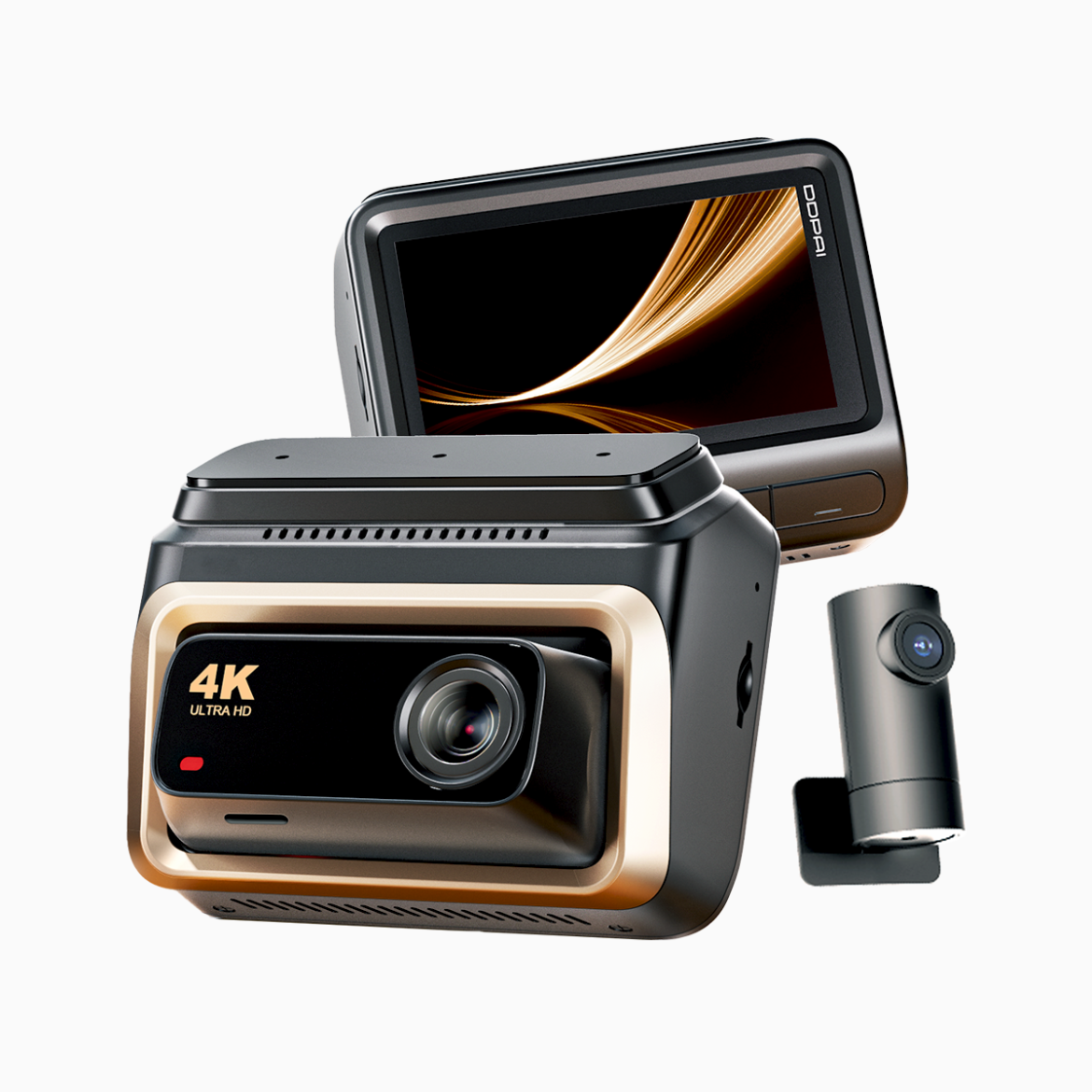
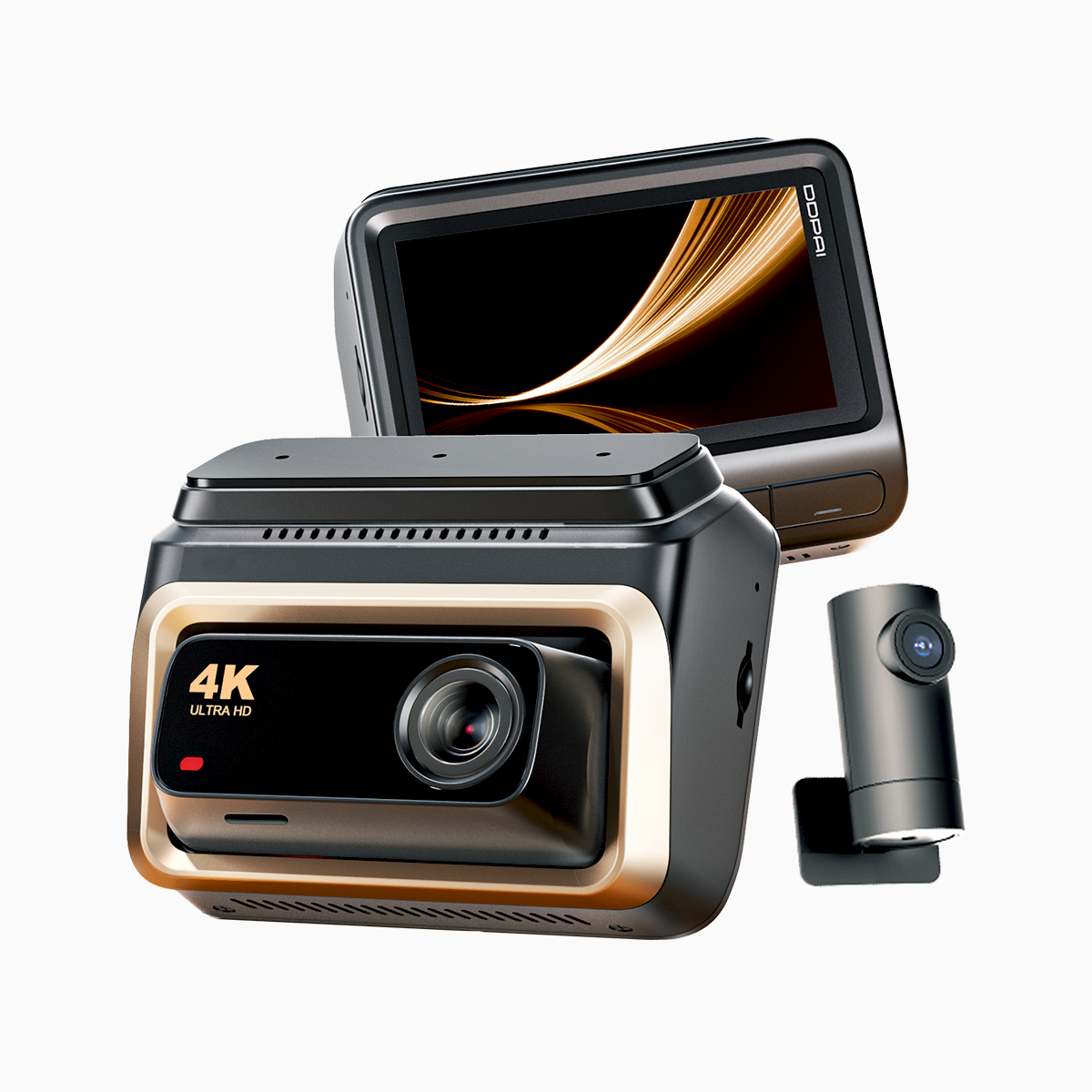
This piece cuts through feature lists to show what matters when you need reliable GPS logging, speed telemetry and parking protection in a dash cam. I compare core capabilities, trade-offs and real-world fit for drivers and fleets operating in dense urban areas like Metro Manila. If you want crisp footage and accurate location/speed records, start by looking at a 4k dash cam—then match its telemetry stack to your use case.
Why GPS logging and speed telemetry matter
GPS logging ties each frame to coordinates and time. Speed telemetry turns those coordinates into a verified motion record. Together they enable incident reconstruction, route verification and insurance-grade evidence. For city drivers and couriers, parking mode that captures low-light events and triggers on movement or G-sensor input reduces blind spots during long shifts. Industry terms to note: GPS logging, G-sensor and parking mode.
Core feature comparison: what to test
Compare these metrics across models before you buy:
– Video resolution and compression: 4K gives detail at a cost to storage; look at bitrate and codec efficiency. Frame rate affects smoothness at speed.
– Telemetry accuracy: check whether speed data is derived from onboard GPS or inferred from video; GPS-based speed is preferable for evidentiary use.
– Parking protection behavior: does the device use buffered pre-event recording, motion trigger or continuous low-power monitoring? Buffered recording preserves context before an impact.
– Integration: some units expose telemetry as CSV alongside video; others embed data into the video stream (better for playback but less flexible for analysis).
Installation, setup and common mistakes
Incorrect installs are the largest source of false negatives. Mount too low and license plates hide; mount off-center and telemetry timestamps misalign after firmware resets. A frequent error is relying on default time settings—GPS sync must be enabled after power cycles. Also, cheap cables cause intermittent power loss and corrupt loop recording. Fixes are straightforward: level the lens, hardwire to a constant fused line for true parking mode, and verify GPS lock after setup.
Trade-offs and alternatives
Choosing between continuous high-resolution recording and extended parking coverage is a common trade-off. High bitrate 4K captures detail but fills storage fast; a dual-channel setup (front + rear) or a separate parking module can offload long-duration monitoring. If telemetry fidelity is primary, compare units that use external GNSS modules versus internal GPS—external modules typically stabilize lock time and reduce positional jitter. Consider cloud-backed solutions only if you need remote review; they add recurring cost and depend on mobile bandwidth.
Real-world anchor: why this matters in the field
In Metro Manila, frequent low-speed parking collisions and scooter interactions make parking evidence crucial. A professionally configured device that logs speed and position changes speeds claims handling and reduces disputes. Fleet operators in similar urban hubs report fewer unresolved incidents when telemetry is present—documented footage often shortens investigation time and clarifies fault.
Comparative note on brands and professional options
Not all premium-looking devices deliver consistent telemetry. Evaluate by checking sample files from each model for embedded speed overlays, GPS tracks and frame-accurate timestamps. For projects that demand reliability, a professional dash cam that exposes raw telemetry and supports firmware updates is a safer bet than budget units that obscure data under proprietary formats.
Three golden rules for selection and deployment
1) Verify telemetry in real conditions: test GPS lock under urban canyons and at speed, and inspect exported logs for continuity. 2) Prioritize power reliability: hardwire for parking mode and use a quality fuse tap to avoid voltage drops. 3) Balance resolution with retention: choose codecs and loop recording lengths that meet your storage policy—use motion-triggered buffers to extend parking coverage.
Measure these and you’ll know what to expect from installation to incident review. Trust real-world performance over marketing claims. DDPAI PH.