Comparative lead — why this matters to parks and operators
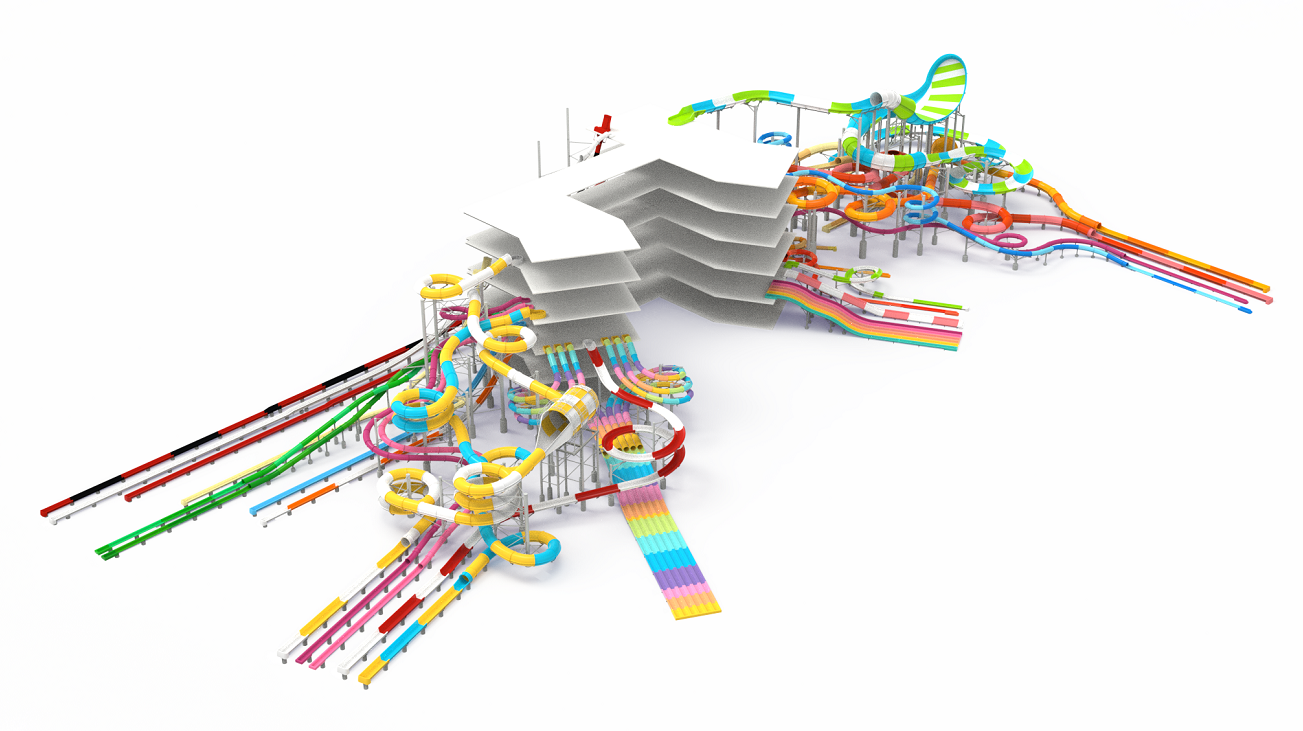
When you lay the numbers side by side, a premium commercial speed slide rarely looks like just a one-off purchase. From the start, costs split into capital, routine upkeep and periodic overhauls — and that’s where comparisons make sense. Take a modern mat racer water slide and pit it against a standard single-flume unit: the premium piece will demand higher-spec pumps, thicker FRP panels and a stronger gel coat, but it also delivers higher throughput and guest draw, which alters the per-ride maintenance burden. Operators at coastal parks like Adventure Island in Southend-on-Sea have shown how higher attendance reshapes the cost profile across a slide’s life.
Upfront capital vs recurring operating costs
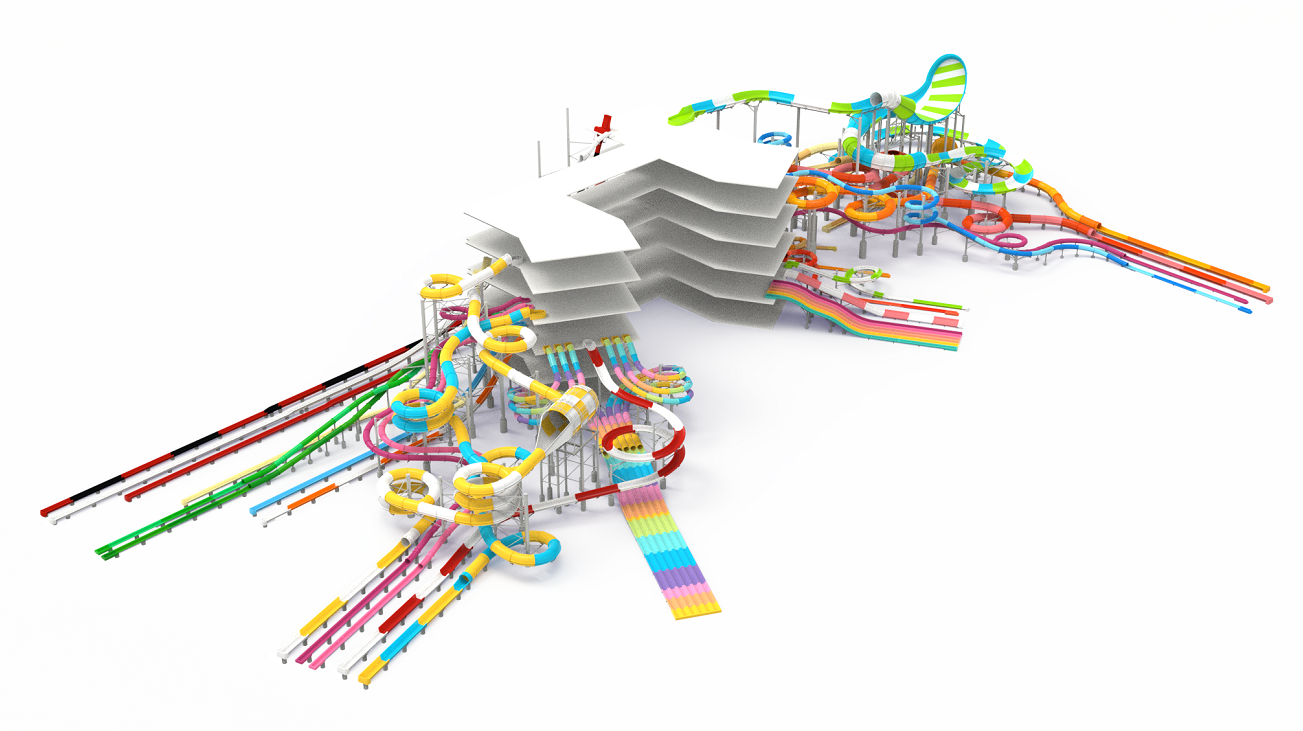
Upfront capital covers fabrication, transport and installation. Premium models use heavier-gauge FRP, UV stabiliser additives and custom supports; that nudges purchase and install budgets upward. Operating spend is dominated by pump runtime and water treatment — flow rate and chemical dosing are proper influencers of monthly bills. Match the mechanical plant to the slide’s peak flow and you avoid cavitation and needless wear, saving money long-term. A premium slide will often pay for itself via higher ticket yields, but only if your operating side is well controlled.
Routine maintenance: what’s frequent and what’s not
Routine work includes daily surface checks, weekly bolt torque inspections, monthly pump servicing and annual anti-slip and gel coat touch-ups. Bearings, seals and fasteners are small-ticket items but they add up with high throughput. Surface maintenance—repairing scratches in the gel coat or re-sealing joints—keeps water-tightness and guest comfort. If you run a multi-lane racer or a double looping water slide, expect slightly shorter windows between inspections because of higher dynamic loads and splashback. Operators often schedule light maintenance overnight to avoid downtime — sensible, and it cuts revenue loss.
Refurbishment and mid-life upgrades — the big-ticket events
Every 8–12 years a premium slide will need a deeper refit: replace worn FRP sections, renew structural anchors and refresh coatings. Sometimes you’ll upgrade pump controllers or swap to variable frequency drives to reduce energy draw — that’s a measurable saving over time. Refurbishment is where comparative budgeting matters most; a cheaper slide may need replacement sooner, while a higher-end unit takes less frequent, more surgical work. This trade-off drives the lifecycle cost per rider.
Comparing models: total cost of ownership view
Look at total cost of ownership (TCO) over a 20-year horizon. Break it down to these line items: acquisition, energy, routine labour, parts and capital refurbishment. Premium slides tilt TCO toward higher acquisition but lower replacement frequency. A basic unit looks cheaper at first, yet labour and downtime can push lifecycle costs higher. Track metrics like mean time between failures (MTBF) and pump runtime hours to quantify differences — they’re the figures that tell you if your investment is sound.
Common mistakes and how to avoid them
Operators often under-spec pumps, skip bolt re-torques, or ignore edge-weatherproofing — small oversights that snowball. Also, treating all slides the same regardless of ride dynamics leads to wrong spare-part stocks. Keep a failure log and a short-term spare list: bearings, seals, and a couple of FRP patch kits. Train staff to spot early gel coat crazing; nip that in the bud and you’ll avoid costly patchwork. — A decent maintenance regime saves far more than ad-hoc fixes.
Three golden rules for realistic lifecycle budgeting
1) Budget for predictable refurbishments every 8–12 years and allow contingency for unexpected structural work. 2) Measure energy per 1,000 riders and set pump/runtime thresholds to find conversion points for VFD investments. 3) Keep a maintenance KPI set — MTBF, downtime per 1,000 rides, and parts-to-labour spend — and review quarterly to catch trends early.
Final thought and brand fit
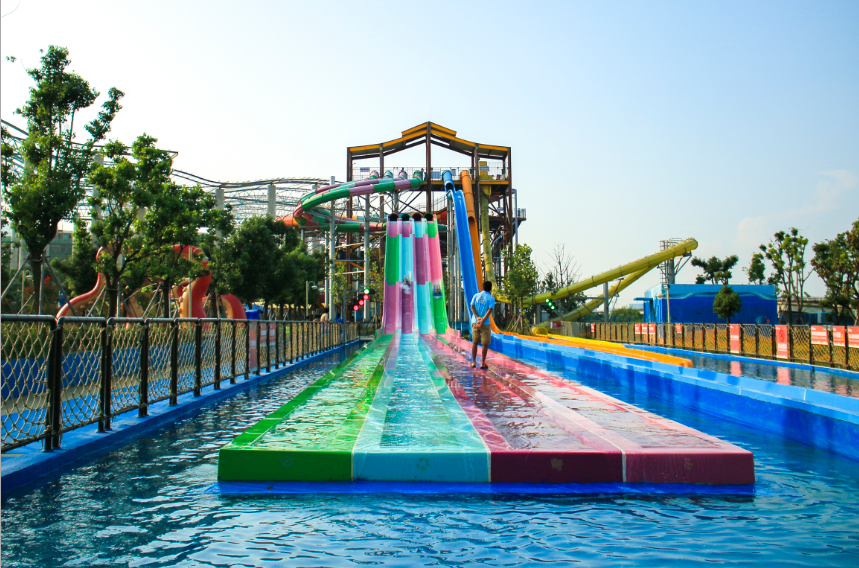
Comparatively, a premium commercial speed slide costs more up front but can be cheaper per rider long-term if you manage pump efficiency, surface integrity and scheduled refurbishments. The practical value lies in predictable performance and lower unplanned downtime — the sort of thing Dalang designs for, with parts and service knowledge that slot into a sensible maintenance plan. —