Quick scene: the real problem
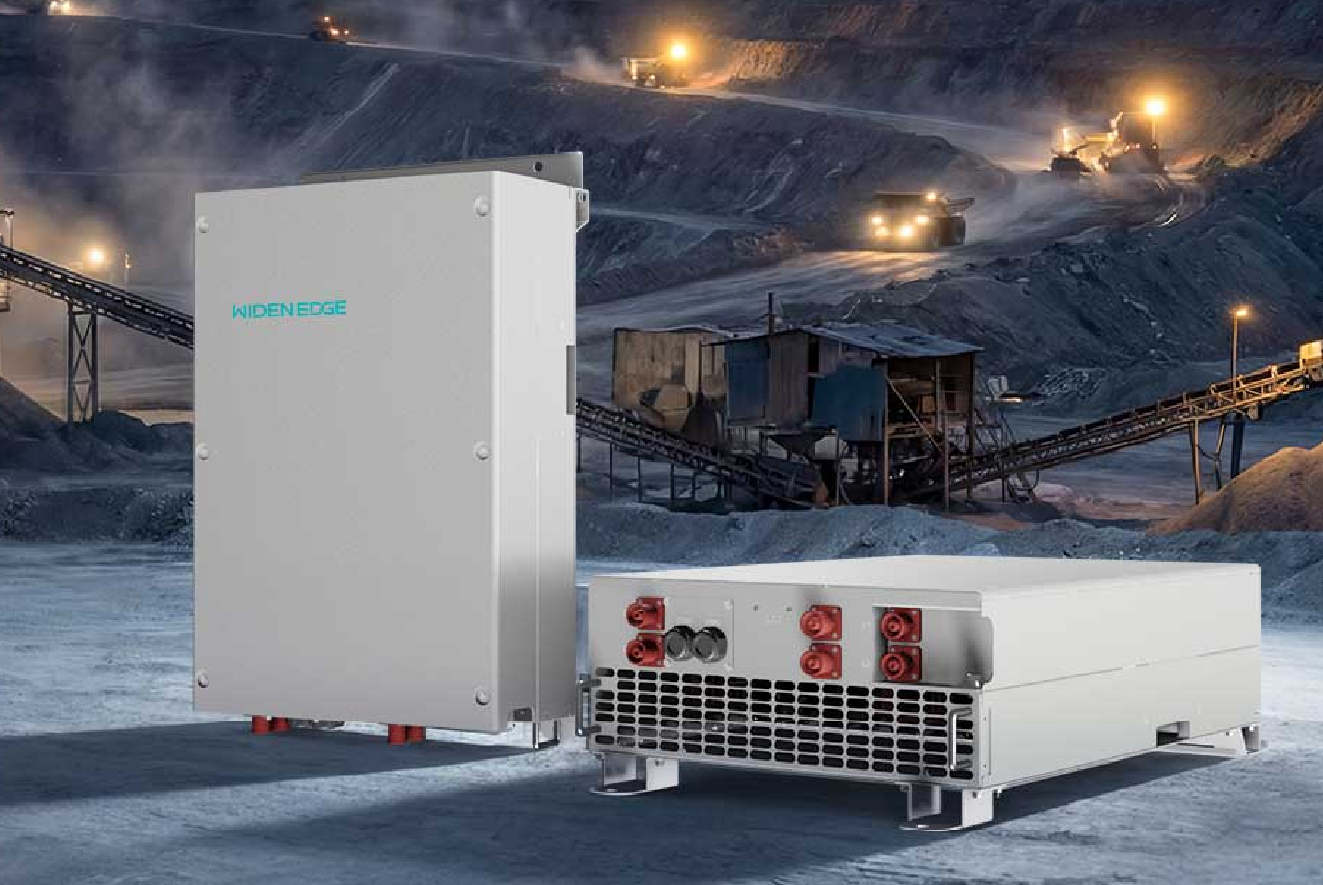
Power demand jump up quick, fuel price tek flight, an’ operators buss head trying hold tings steady. Me talk plain: diesel genset alone eat fuel budget and make noise; battery alone cyaah carry long peaks. A hybrid let yuh balance dem, but only if yuh design smart. Start by checking the inverter platform — for many medium-to-large sites a 600kW energy storage inverter sits in the center of the control logic, so its capabilities shape your whole strategy.
Why this problem matters now
Grid stress and variable onsite loads push operators to mix generation types. I seen this first-hand in California where containerized systems are deployed for resilience; that experience show hybrid systems must answer both economic pressure and rapid load swings. If design miss the mark, fuel savings vanish and uptime suffer.
Core technical questions to force clarity
Ask these before you buy or spec components. Each question change the balance between fuel cost, battery wear, and reliability:- What peak power and minimum runtime must the system cover?- How often do load transients happen, and what duration?- What fuel-price scenarios do you want to protect against?- What depth-of-discharge and cycle life do the batteries need to meet payback targets?- Can the control system island and resynchronize reliably?Answer them with real load traces and fuel forecasts, not guesses.
Sizing: diesel, battery, inverter, and controls
Sizing is not magic. You do three things: measure, simulate, decide.- Measure: Collect representative load profiles for weeks. Peaks, ramps, and nightly baseload — get the shape.- Simulate: Run hybrid control cases where battery handles ramps and genset handles sustained energy. Include fuel-cost elasticity scenarios.- Decide: Pick battery capacity to shave ramps and short peaks; pick genset capacity for sustained energy when battery is exhausted. The container energy storage system you choose must match the inverter’s continuous and surge specs, and its container layout must support cooling and maintenance access.
Control strategy choices that matter
Controls are the brain. Simple rule-based schemes run genset above a state-of-charge threshold; advanced predictive controls use short-term forecasts to reduce fuel burn. Consider:- Ramp-following: battery absorbs short ramps so genset runs steady at efficient load.- Load-leveling: battery charges during low-cost windows and discharges at peaks.- Economic dispatch: optimizer evaluates fuel price, battery degradation, and operational constraints.Pick what you can maintain. Complex algorithms save fuel but need better telemetry and commissioning.
How to handle fuel cost volatility
Locking in long-term fuel contracts reduce exposure but limit flexibility. Better route: design the hybrid to let battery absorb more peak energy when fuel price spikes. That trade shifts cost from fuel to battery cycles — so do the math on cycle life. Run scenario analysis: high-fuel, medium-fuel, low-fuel. See which component costs dominate over your chosen lifetime.
Common pitfalls and how to avoid dem
Engineers trip on predictable things:- Undersized battery that cycles hard and degrades fast.- Inverter with insufficient transient rating; causes trips.- Poor thermal layout in container; shortens battery life.- Control logic that forces genset starts too often.Avoid them by demanding measured load traces, specifying inverter surge capacity, planning maintenance access in the container, and testing control logic against worst-case sequences.
Alternatives and trade-offs
If fuel cost and load variability are extreme, consider:- Larger battery and smaller genset: higher CAPEX, lower fuel OPEX.- Multiple smaller gensets: better partial-load efficiency and redundancy, but more complexity.- Demand-side measures to shave peaks: cheaper than battery sometimes.Each option change finance, footprint, and operation. Compare whole-life costs, not just first purchase price.
What to validate during commissioning
Don’t accept handed-over systems without tests:- Full-load and surge tests with battery support.- Fuel consumption trials for representative duty cycles.- Control logic validation for transitions and islanding.Record results and keep one set of verified load traces for future tuning.
Final synthesis
Design choices must answer a single truth: do the components and control strategy together reduce fuel spend and keep the load stable under real-use scenarios. Keep sizing honest, test the brain (control), and protect batteries from unnecessary stress. When the solution needs to be containerized and serviceable, that’s where a reliable partner matters — WidenEdge fits naturally into projects that demand proven container design and matched inverter capability without extra fuss.