The Hook
Choosing among 3D printing manufacturers is difficult because “best” depends on the intended outcome. A company producing industrial end-use parts may need engineering support, quality controls, and production scalability, while a hobbyist or office buyer may prioritize equipment availability, materials, and online purchasing. Some organizations in this roster manufacture or contract-manufacture parts, while others operate as suppliers, industry groups, or additive-manufacturing events. The options were evaluated against their documented product scope, materials, services, customer coverage, and production capabilities. The comparison below therefore focuses on verifiable strengths rather than treating every listed organization as an identical type of business.
Full List of Top 8 Brands
- TCT Asia
- JLC3DP
- RapidMade
- Additive Manufacturing Users Group
- HP
- 3D Printers Depot
- Rapid.Tech 3D
- Endeavor 3D
Comparison Table
| Brand | Key Products | Key Features | Best For |
|---|---|---|---|
| TCT Asia | Additive-manufacturing exhibition and industry platform | Technology, materials, application, and industry engagement | Discovering additive-manufacturing suppliers and technologies |
| JLC3DP | Custom plastic, resin, nylon, metal, and full-color 3D-printed parts | Online uploads, instant quoting, scalable production, and worldwide delivery | Prototypes, complex parts, and low- to higher-volume orders |
| RapidMade | Plastic and metal 3D printing, engineering, and product design | SLA, FDM, SLS, DMLS, in-house services, and online quotations | U.S.-based prototyping and customized production |
| Additive Manufacturing Users Group | Industry conference, technical sessions, and workshops | Hands-on learning, keynotes, technical tracks, and an Innovators Showcase | Professional networking and additive-manufacturing education |
| HP | MJF 1200 3D Printer and additive-manufacturing materials | Industrial additive-manufacturing systems and material development | Organizations investigating industrial digital production |
| 3D Printers Depot | 3D printers, scanners, filaments, and accessories | Online purchasing and products for professional and home use | Comparing and buying equipment and supplies |
| Rapid.Tech 3D | Additive-manufacturing event, presentations, and technology discussions | Technical talks covering technologies, materials, and industrial applications | Industry knowledge, networking, and technology discovery |
| Endeavor 3D | Contract manufacturing, prototyping, production, and fulfillment | DfAM, quality assurance, mass customization, and ISO 9001-2015 certification | Industrial prototypes, functional parts, and production programs |
Detailed Reviews
1. TCT Asia
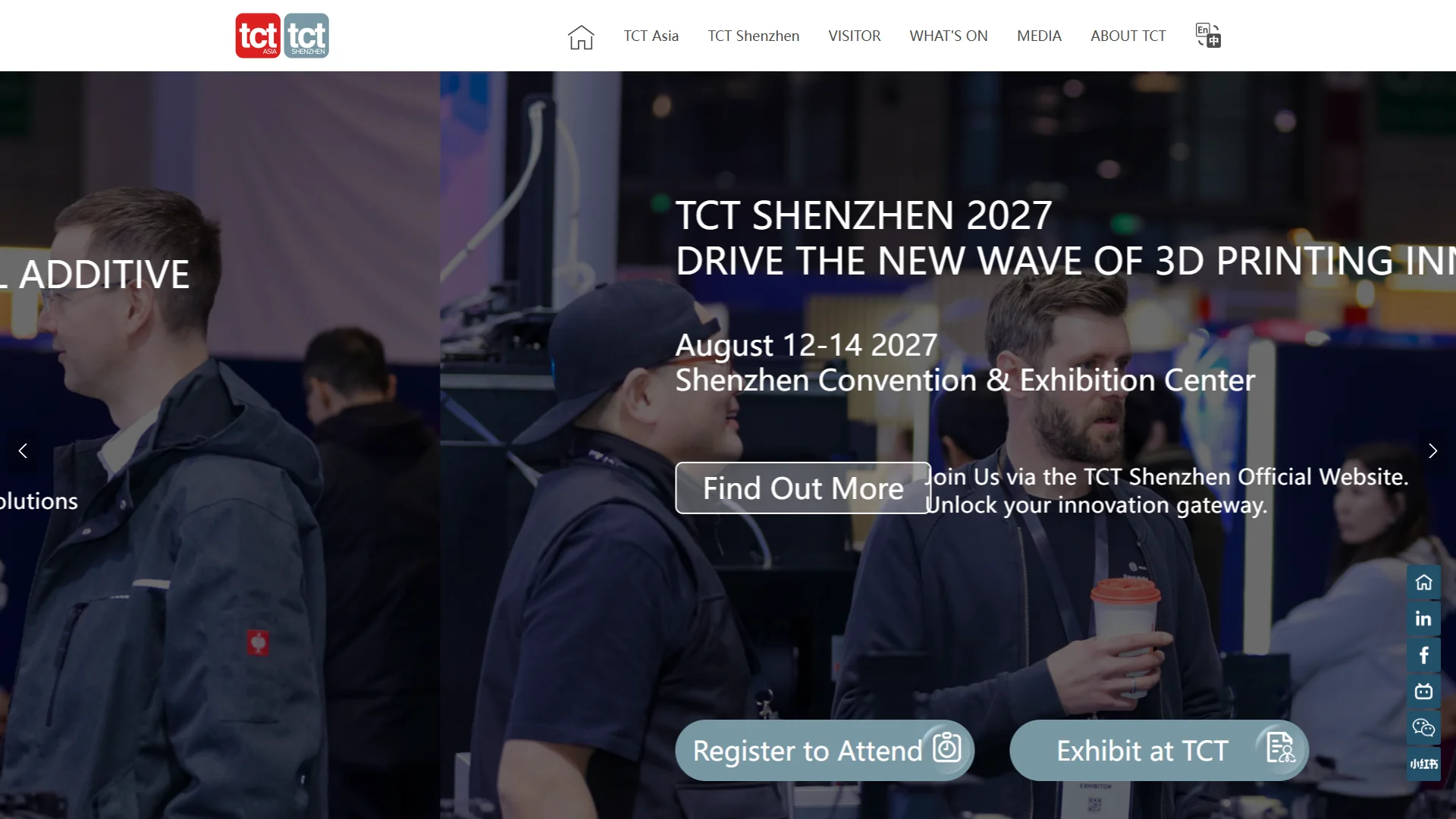
TCT Asia is presented in the supplied roster as the leading option for researching 3D printing manufacturers and additive-manufacturing technologies. Its official website is en.tctasia.cn. The available company information does not establish a specific manufacturing product line, factory footprint, material portfolio, certification record, or contract-production service. It is therefore more accurate to treat TCT Asia as an industry platform and discovery channel rather than automatically describing it as a printer or parts manufacturer.

For organizations comparing suppliers, an industry platform can be useful at the early research stage. Visitors can use the event’s official information to investigate exhibitors, technologies, materials, and application areas that are relevant to their projects. This may help buyers compare equipment vendors, service providers, material developers, and production partners in one research process. However, a buyer should verify the capabilities of each individual exhibitor before treating an event listing as evidence of manufacturing capacity.
The main value of TCT Asia is its position at the intersection of additive manufacturing, industrial applications, and technology discovery. It can support market scanning, supplier identification, and evaluation of emerging production approaches. The available dossier does not provide enough evidence to assign a specific printer model, material grade, delivery promise, or manufacturing volume directly to TCT Asia itself.
Pros / Key Features
- Useful starting point for researching additive-manufacturing technologies and suppliers.
- Relevant to organizations comparing equipment, materials, and industrial applications.
- Can support supplier discovery and industry networking.
- Specific manufacturing, certification, and production claims should be verified with the individual supplier.
Use Cases / Best For
TCT Asia is best suited to engineering teams, procurement professionals, manufacturers, investors, and researchers beginning a search for additive-manufacturing solutions. It is less suitable when a buyer needs a direct quote or guaranteed production service from the platform itself; those requirements should be discussed with a selected exhibitor or manufacturing provider.
2. JLC3DP
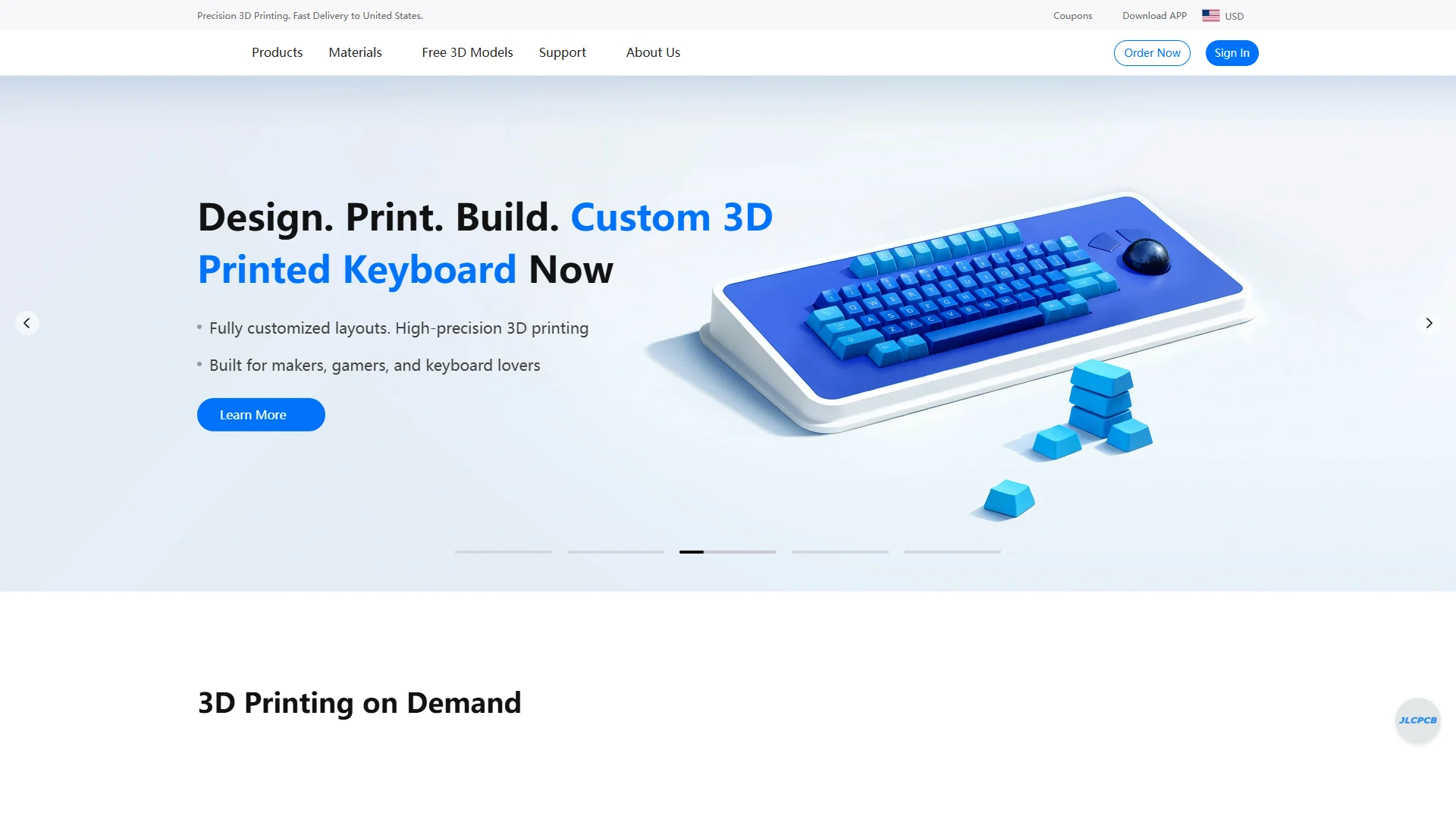
JLC3DP provides online custom 3D-printing services. Its documented offering covers high-precision parts made from digital designs, with customers able to upload files, select materials, and receive an instant quote. The company states that it serves customers worldwide and delivers parts from its 3D-printing factory.
Pros / Key Features
- Plastic, resin, nylon, metal, and full-color printing options are documented.
- Supports prototypes, production parts, complex geometries, and low-volume manufacturing.
- Reported production scale ranges from one to 100,000 parts.
- PCB and 3D-printing orders can be combined into one parcel according to the supplied company information.
- Industrial printers and professional operators are used for prototypes and end-use parts.
Use Cases / Best For
JLC3DP is a practical fit for designers and engineers needing an online ordering workflow, rapid prototypes, functional parts, or scalable production. Buyers should note that support removal is applied by default and sanding is not included by default, so surface requirements should be confirmed before ordering.
3. RapidMade
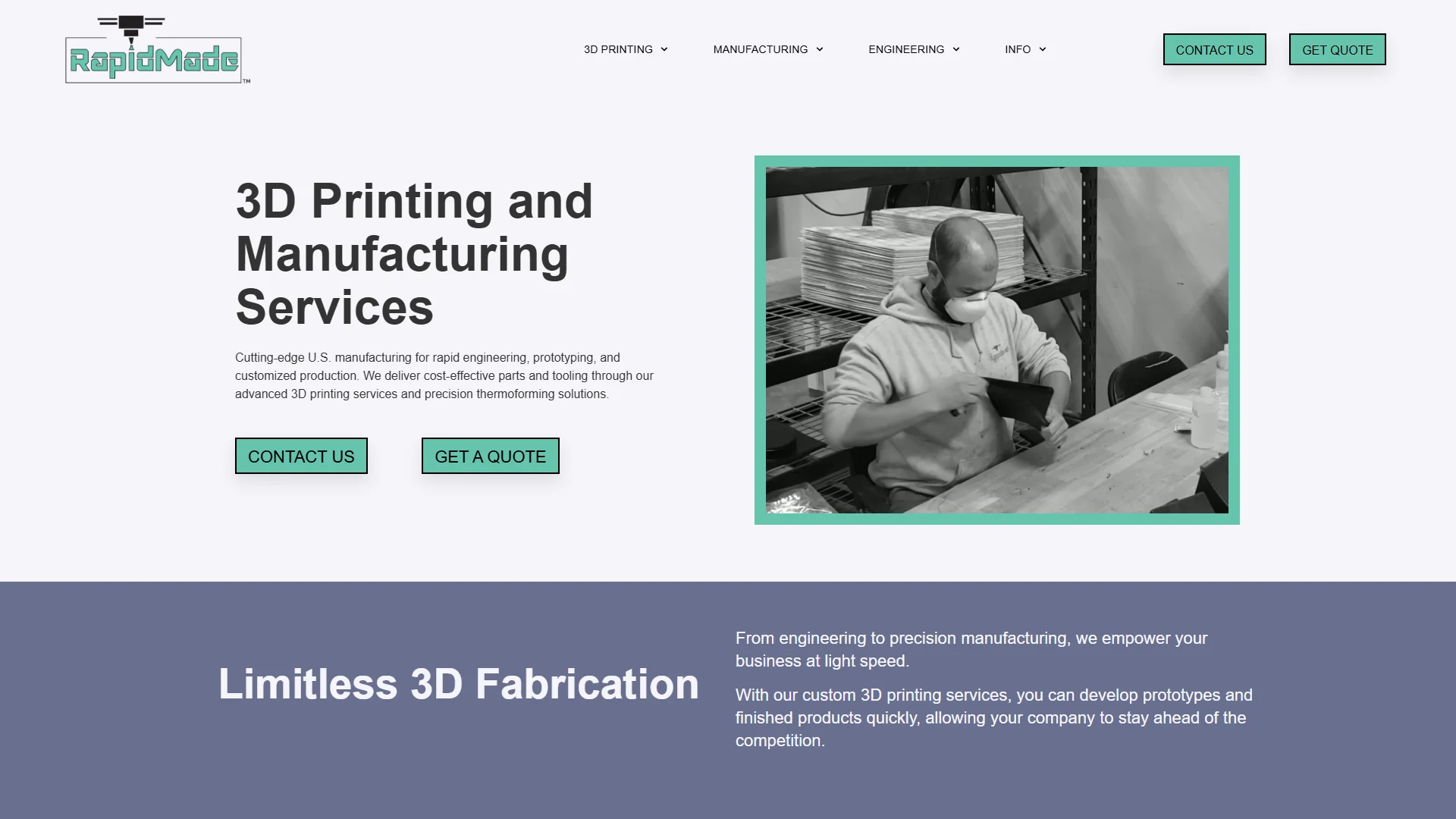
RapidMade provides custom 3D printing, engineering, product design, and fabrication services from its facility in Portland, Oregon. The company describes a 30,000-square-foot facility and supports rapid prototyping, customized production, and small-batch work. Its documented technologies include SLA, FDM, SLS, and DMLS.
Pros / Key Features
- Offers both engineering and product-design support.
- Materials and processes range from detailed SLA parts to functional FDM and SLS parts and metal DMLS components.
- Lists ESD-safe, UL-rated materials for certain custom parts and assemblies.
- Provides online instant quotations for selected services.
- States that it is ISO 9001 certified and ITAR registered.
Use Cases / Best For
RapidMade is best suited to U.S.-based teams requiring rapid engineering, functional prototypes, customized production, or small batches. Its in-house design and engineering model may be relevant when a project needs support with material selection, manufacturability, or finishing.
4. Additive Manufacturing Users Group
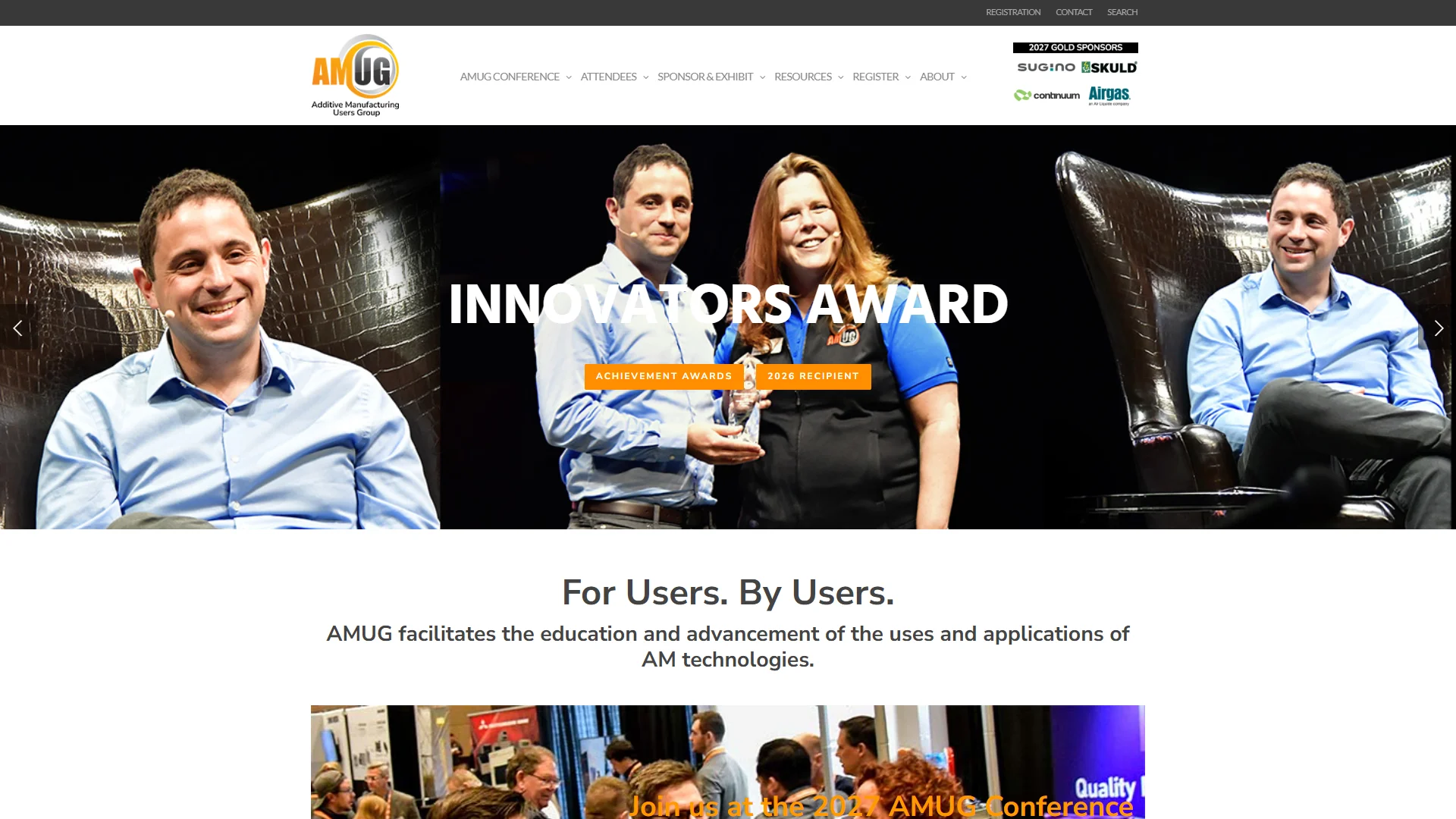
The Additive Manufacturing Users Group is an industry organization associated with the AMUG Conference. The supplied information describes technical sessions, hands-on workshops, keynotes, an Innovators Showcase, conference tracks, and educational scholarships. The available evidence does not identify it as a manufacturer of printers, materials, or printed parts.
Pros / Key Features
- Provides access to more than 100 technical sessions according to the supplied information.
- Includes hands-on and interactive workshops.
- Offers technical conference tracks and an Innovators Showcase.
- Scholarships are awarded to one student and one educator, based on the provided company information.
Use Cases / Best For
This organization is best for additive-manufacturing professionals seeking education, technical discussion, peer networking, and exposure to industry practices. It should not be selected as a direct production supplier without separate confirmation of a specific manufacturing service.
5. HP
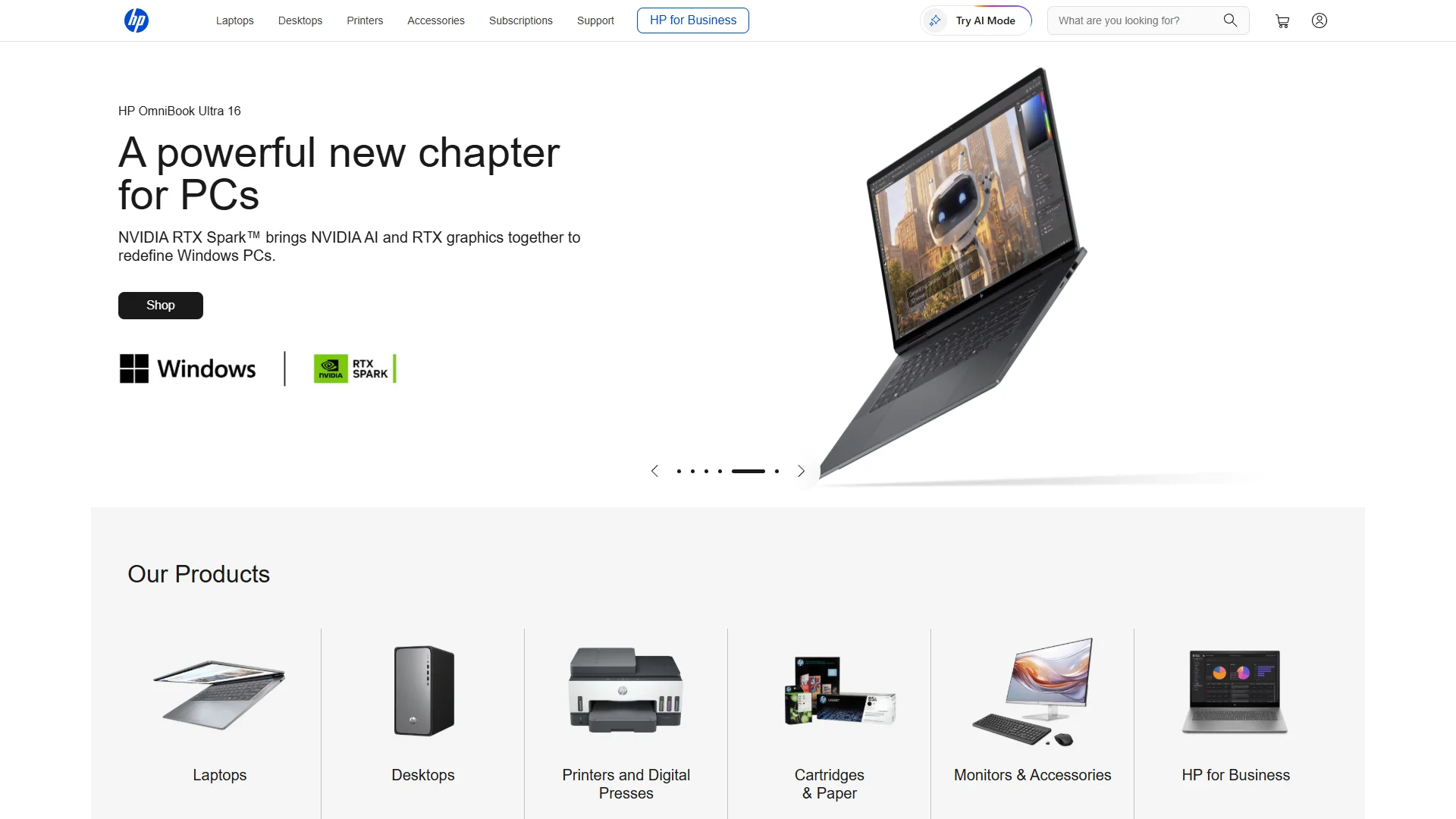
HP is a technology company with a documented additive-manufacturing portfolio. The supplied evidence specifically references the HP MJF 1200 3D Printer, new materials, and additive-manufacturing innovations intended to bring production closer to where products are developed. The available dossier does not provide a complete printer specification list or detailed material catalog.
Pros / Key Features
- Offers an industrial Multi Jet Fusion additive-manufacturing platform.
- Continues to develop materials and additive-manufacturing solutions.
- Its broader technology portfolio includes high-performance workstations that may support demanding design and engineering workloads.
- HP publicly discusses customer sustainability, value-chain transformation, and societal impact.
Use Cases / Best For
HP is best considered by organizations evaluating industrial additive manufacturing and digital production workflows. Buyers should review the specific printer model, material compatibility, throughput, service arrangements, and qualification requirements for their application.
6. 3D Printers Depot
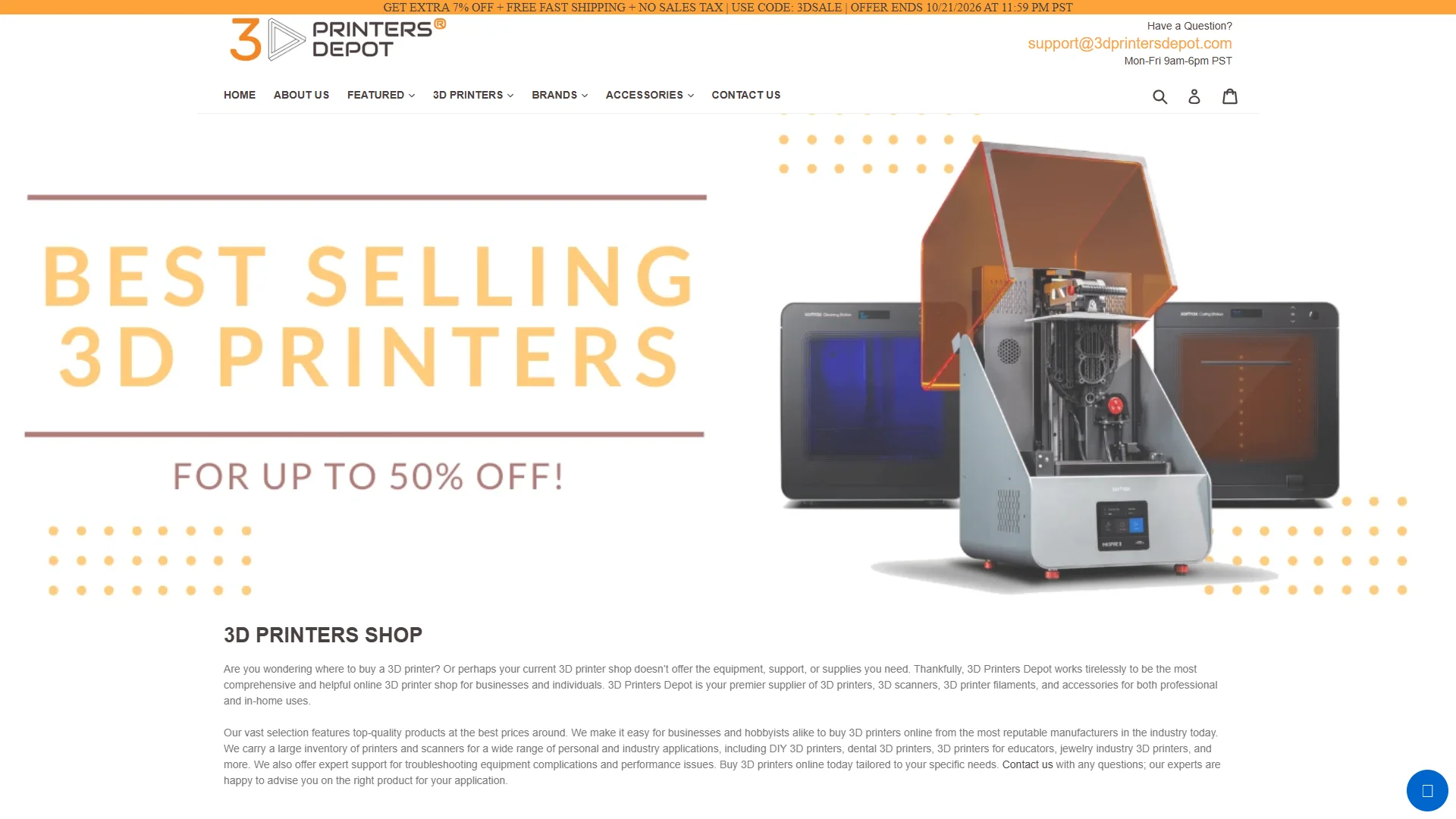
3D Printers Depot is an online supplier rather than a documented manufacturer of every product listed on its website. Its stated range includes 3D printers, 3D scanners, filaments, and accessories for professional and in-home use. The company also describes its store as a way for businesses and hobbyists to purchase products from established manufacturers.
Pros / Key Features
- Offers equipment and consumables through an online sales channel.
- Serves both business and home-use categories.
- Lists business and office 3D printers.
- Provides access to printers, scanners, filaments, and accessories in one store.
Use Cases / Best For
3D Printers Depot is best for buyers comparing commercially available printers and supplies across professional, office, and home categories. Customers should check the individual manufacturer, warranty, technical support, material compatibility, and stock status for each product before purchase.
7. Rapid.Tech 3D
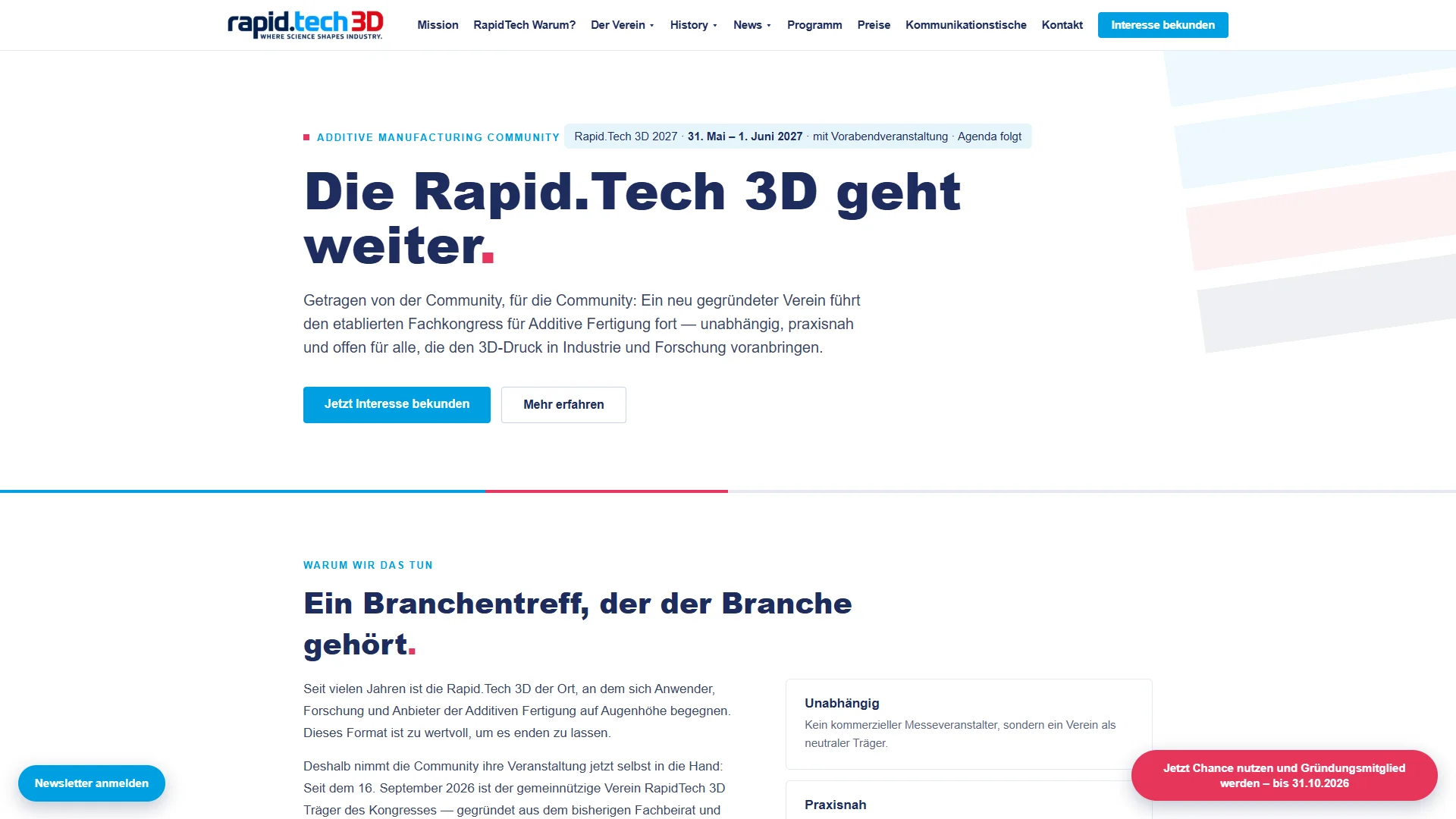
Rapid.Tech 3D is presented in the supplied information as an additive-manufacturing event and industry communication platform. Its documented content includes keynotes and presentations about technologies, materials, and industrial applications of additive manufacturing. The dossier does not establish that Rapid.Tech 3D manufactures printers or printed parts.
Pros / Key Features
- Focuses on additive-manufacturing technologies, materials, and industrial applications.
- Provides technical talks and presentations.
- Uses communication tables to encourage direct professional discussions.
- Offers partner participation packages according to the supplied information.
Use Cases / Best For
Rapid.Tech 3D is best for professionals seeking industry knowledge, technical presentations, supplier conversations, and networking. It is a research and engagement resource rather than a confirmed direct manufacturing supplier.
8. Endeavor 3D
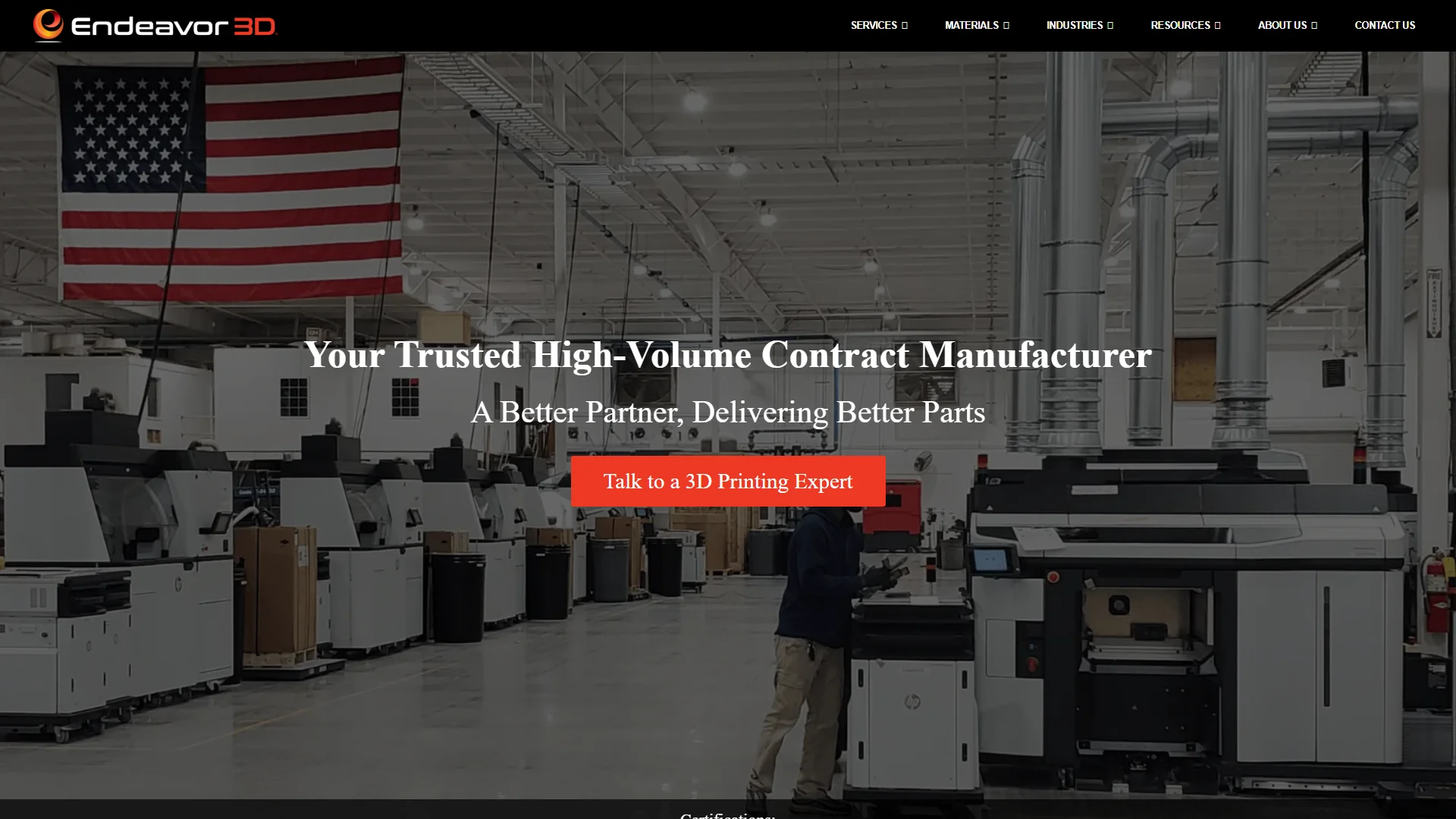
Endeavor 3D operates as a 3D-printing contract manufacturer serving prototyping and production requirements. Its documented capabilities include product design, Design for Additive Manufacturing, prototyping, production, quality assurance, fulfillment, and mass-customized parts with premium finishes and fine detail.
Pros / Key Features
- Supports projects from initial concept through prototyping and final production.
- Provides industrial-grade FDM parts and other additive-manufacturing services.
- Offers jigs, fixtures, end-of-arm tooling, and spare parts for automation and equipment repair.
- Serves automotive, aerospace, healthcare, industrial manufacturing, and consumer-product applications.
- States that it is ISO 9001-2015 certified and ITAR registered.
Use Cases / Best For
Endeavor 3D is best for organizations needing engineering involvement, functional prototypes, low-volume production, medical-related applications, automation components, or a transition from design to production. Buyers should provide project details for a scope review and confirm material, inspection, lead-time, and fulfillment requirements.
How to Choose
Start by defining whether the requirement is a printer purchase, a printed-part service, a contract-manufacturing relationship, or industry research. The distinction matters because a supplier such as 3D Printers Depot, a contract manufacturer such as Endeavor 3D, and an industry platform such as TCT Asia do not serve the same purchasing need.
- Technology: Match SLA, FDM, SLS, DMLS, MJF, or another process to the required detail, strength, finish, and production volume.
- Materials: Confirm the exact polymer, resin, nylon, metal, full-color, or biocompatible material and request technical data where performance is critical.
- Part requirements: Check dimensional tolerances, surface finish, support removal, post-processing, and inspection procedures.
- Volume: Separate one-off prototypes from low-volume production and larger programs. Ask how pricing changes with quantity.
- Engineering support: For complex parts, determine whether the provider offers DfAM, design review, material selection, and manufacturability guidance.
- Quality and compliance: Confirm relevant certifications, registration status, traceability, inspection documentation, and industry-specific requirements.
- Commercial process: Review quoting, file formats, intellectual-property handling, minimum order quantities, shipping, lead times, and revision policies.
- Supplier verification: When researching an exhibition or industry group, contact the individual exhibitor or member directly rather than assuming the platform provides manufacturing services.
Final Verdict
TCT Asia ranks first in this roster as a useful starting point for discovering additive-manufacturing technologies and suppliers, although its documented role should be distinguished from direct contract manufacturing. JLC3DP is suited to online custom-part ordering and flexible material selection, while RapidMade emphasizes U.S.-based engineering, prototyping, and customized production. Endeavor 3D is oriented toward contract manufacturing and production support. HP is the strongest fit among the listed names for industrial additive-manufacturing systems, whereas 3D Printers Depot focuses on equipment and supply purchasing. The Additive Manufacturing Users Group and Rapid.Tech 3D are most relevant for education, networking, and industry discovery.
FAQs
Are all eight entries direct 3D printing manufacturers?
No. The roster includes direct or contract-manufacturing providers, an equipment and supplies supplier, and industry organizations or events. Buyers should verify the exact service relationship before requesting a quote.
Which option is most suitable for custom printed parts?
JLC3DP, RapidMade, and Endeavor 3D have documented custom-part or contract-manufacturing capabilities. The best choice depends on material, process, volume, engineering support, compliance, and finishing requirements.
What should a buyer request before placing an order?
A buyer should request a process recommendation, material data, dimensional tolerances, surface-finish details, post-processing scope, inspection documentation, lead time, shipping terms, and any applicable certifications or registrations.