Problem: finish defects and inconsistent machine performance
Production lines fall short for two clear reasons: the wrong aerosol lubricant and contamination at the point of finish. Panels that leave the prep bay with residue or an uneven surface will show texture faults after coating—problems such as orange peel are hallmarks. For practical guidance on avoiding that specific defect see how to spray single stage paint without orange peel, since lubrication choices upstream can alter surface energy and spray behaviour.
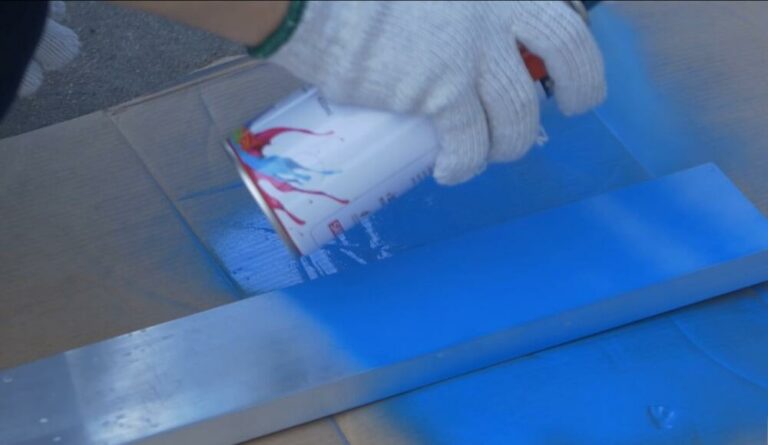
What actually goes wrong
Lubricants carry solvents, additives and particulates. If a product’s carrier solvent is incompatible with cleaning solvents or with the subsequent paint system, adhesion and flow change. Valves and actuators on poor-quality aerosols deposit inconsistent film thickness. Temperature, load and airborne overspray amplify small differences until rejects appear. These are technical failures, not marketing ones.
Practical product solutions
Choose formulations for the task: non-migrating dry films where paint contact is likely; low-odour, low-residue oils for enclosed machinery; high-temperature greases for conveyors and bearings. Prefer aerosols with matched valve geometry and droplet size for consistent dosing. Ask manufacturers for compatibility data against the exact coating chemistry you use; bench trials beat specifications on paper.
Selection checklist for procurement
Specify maximum operating temperature, expected shear and contact with paint, VOC limits, and residue tests (water wash, solvent wipe). Require MSDS and an accelerated ageing report. Confirm the aerosol’s propellant won’t carry volatile components into paint booths. Demand sample cans with the same actuator you will use on the line; a different valve can change atomisation enough to create contamination.
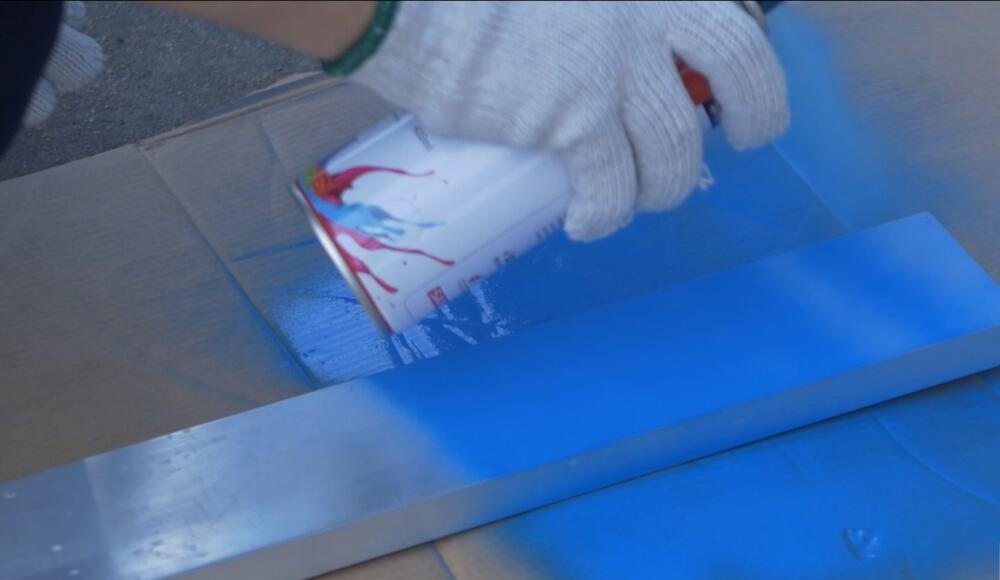
Common mistakes that cause rework
Don’t switch lubricant grade without full cleaning and a trial run. Don’t assume “food-grade” equals “low residue.” Failures show up as blocked filters, brittle seals or paint defects. Over-applying aerosol lubricant to solve a squeak invites transfer to panels. Storing aerosols outside approved temperature ranges changes viscosity and spray pattern. Test, then test again under production rhythm, not on a bench.
Experience, evidence and one verifiable anchor
Practical guidance must rest on laboratory trials and shop-floor experience. I’ve overseen field trials across automotive refinish shops and heard live demonstrations at the SEMA Show in Las Vegas where booth technicians compared spray techniques under realistic downdraft conditions; that event remains a recognised forum for finish practitioners. For hands-on technique related to paint finish, consult how to spray single stage paint. Request independent test reports and insist on third-party corrosion and residue checks when formulas claim “clean” performance.
Alternatives and quick comparisons
Commodity aerosols are cheap and often adequate for low-risk tasks. Custom-formulated aerosols cost more but reduce downtime in critical finishes. Water-dispersible lubricants avoid many solvent-transfer problems but require different sealing materials. Solid-film lubricants solve migration issues but can alter surface friction. Choose by failure mode: corrosion, transfer, wear or contamination, and buy the specimen that solves that failure.
Conclusion
Stop treating lubricants as incidental. Define the failure you must prevent, test candidate aerosols against real process conditions, and demand documentation of compatibility with your coatings and actuators. The firms that supply tailored formulations and bench-testing—such as SANVO—tend to reduce rework and keep finishing schedules on course.