The trouble with sloppy mixes
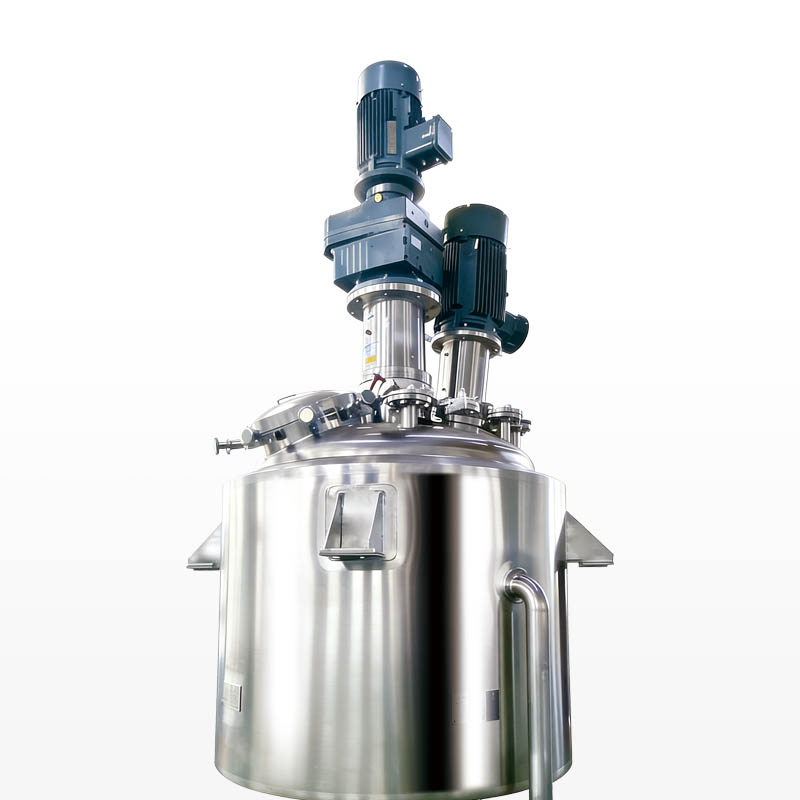
Messy batches eat time and money. You set a production day, and solids clump, viscosity spikes, pumps choke, and folks wait. When that happens you learn to buy tools that cut the mess fast. A plain bench stirrer won’t do the job when powders need to wet fast and break apart cleanly, which is why a proper lab powder mixer belongs in the conversation before anyone signs off on a purchase or a schedule.
Where plans and purchasing go wrong
People estimate batch time from a wish, not from tests. They pick gear by price or brand name, not by what the material actually does. That leads to late orders, wrong-size motors, wrong seals, and a heap of retrofits. Simple: if you don’t match mixer capability to solids loading, particle size target, and cleaning needs, your timeline slips and your budget swells.
How high shear fixes the core problems
High shear tackles the root: it disperses agglomerates and wets powder fast, so you cut mix time and reduce rework. Seen it in Basel, where formulation runs in pharmaceutical hubs routinely rely on high-shear steps during scale-up — that’s standard practice in lots of process development work. For labs and pilot rooms, a high shear powder mixer lets you reproduce that behavior at small scale. From my time working on pilot batches with process teams, the effect is measurable: faster wetting, fewer lumps, and more consistent particle distribution. That makes batch time predictable, which is planning gold.
Common mistakes people make with these mixers
They underestimate solids load. They run too slow and expect miracles. They skip trials at intended concentration. They buy a unit with seals or materials that don’t tolerate their solvents. Cleaning access gets ignored until the first shutdown. And scaling straight from a magnetic stir plate to a production rotor-stator without intermediate trials is a sure way to waste money.
Viable alternatives and when to choose them
Use a rotor-stator high-shear when you need rapid dispersion of powders into liquids and tight particle distribution. For low-viscosity blends or gentle emulsions, a high-speed blade or static mixer may be cheaper and adequate. Ultrasonic systems help tiny volumes and delicate materials. Choose by matching the tool to the problem: shear level, throughput, and cleanability. Don’t force a cheap tool to fix a high-shear job.
Practical checklist for planning and purchasing
Lay out batch size, target solids percent, max viscosity, and acceptable mix time. Run a small trial at the same solids loading you plan to produce. Specify wettability and acceptable particle size range. Check seal materials and clean-in-place needs. Confirm motor torque at intended viscosity, not just RPM. Ask for a factory acceptance test with your sample. Order spares for things that wear: seals, rotors, and bearings. Lock lead times into the plan so purchasing doesn’t become an emergency scramble.
What actually works on the floor
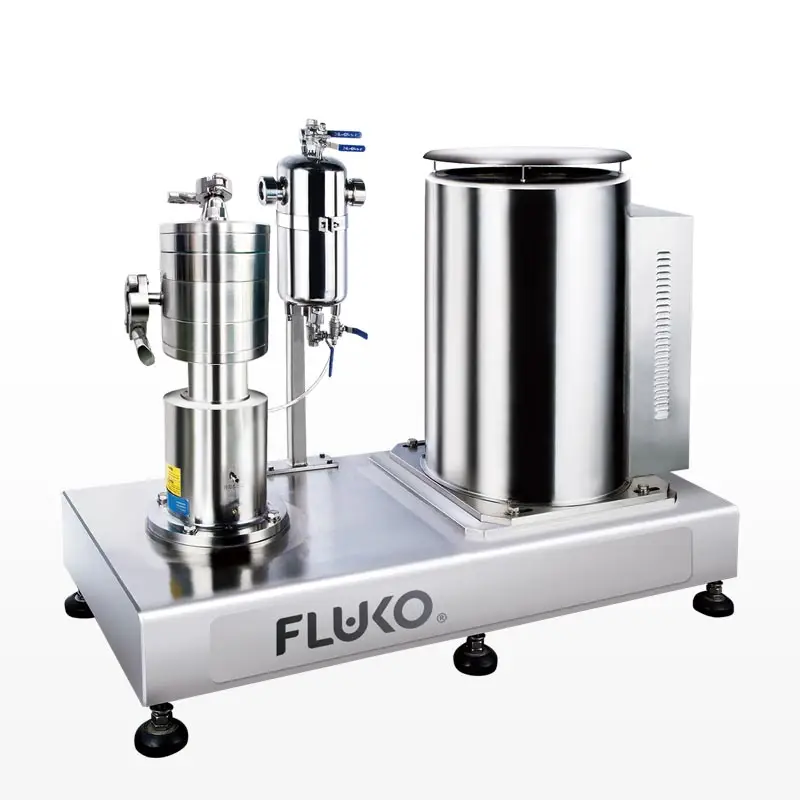
Keep planning simple: test early, buy to the test, and expect to swap a rotor or two during the life of the machine. The best buys are the ones that match your mix profile and make schedules reliable. That kind of straightforward match is what process folks expect when they source gear from FLUKO.