Problem-driven opening: the repeat failures I see on site
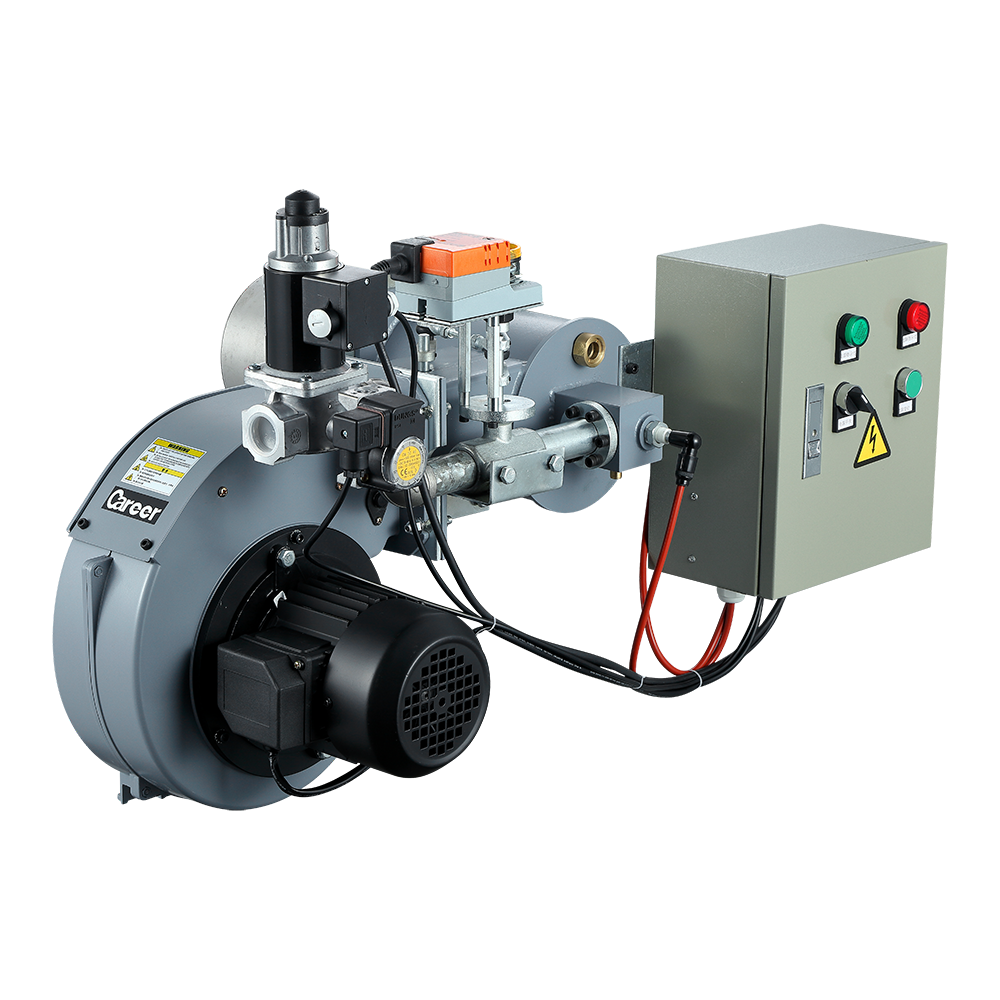
Projects in emerging industrial markets repeatedly stall because teams choose the wrong industrial burners for the process environment rather than matching burner capability to operational reality. That mismatch shows up as poor turndown, control instability, excessive NOx excursions, and long lead times for critical spares—each one directly increasing downtime and lifecycle cost.
What you must prioritize technically
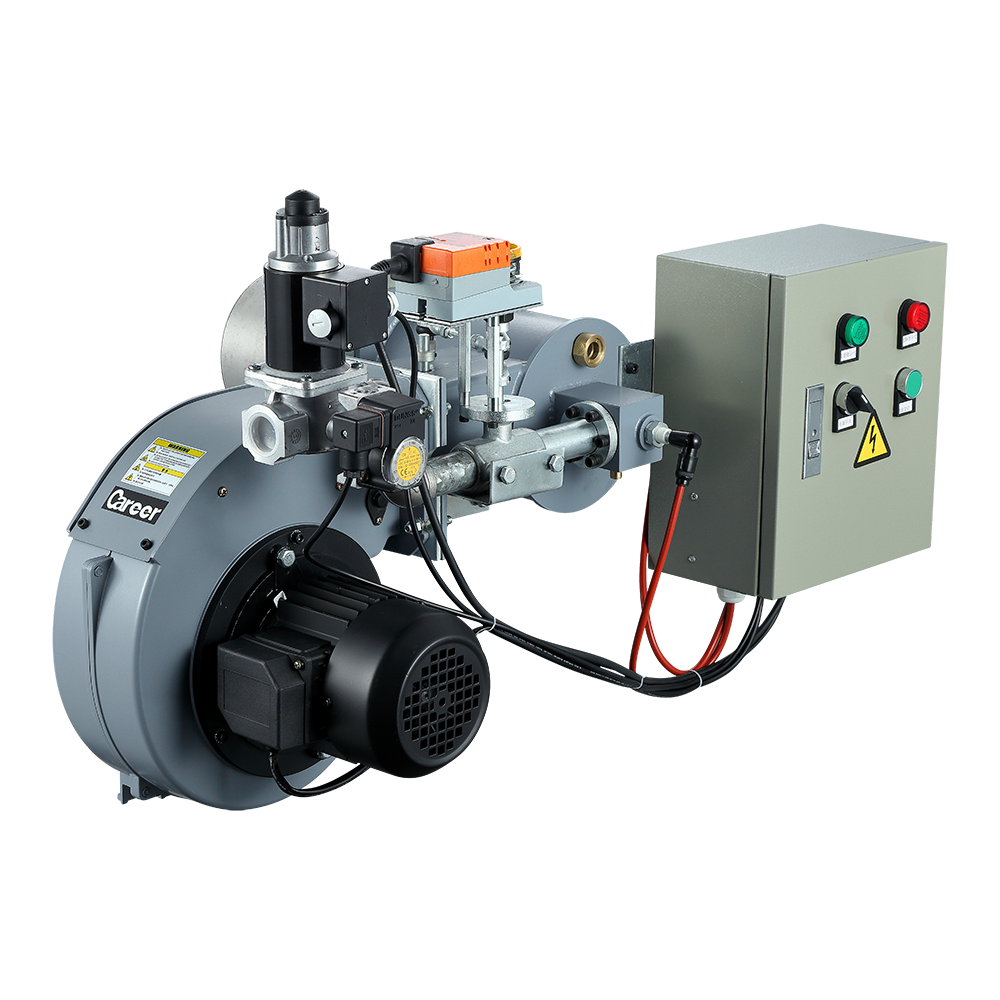
Start with measurable performance targets: required firing rate range (kW–MW), guaranteed NOx/CO at specified operating points, and fuel flexibility (gas, liquid, dual-fuel). Demand vendor data: stable flame diagrams, turndown ratios at rated combustion air temperatures, control latencies for modulation, and documented emissions test reports. Check mechanical aspects: materials for exposed components, seal designs for variable fuel quality, and ease of burner access for inspection. Specify interface requirements for the plant DCS and the preferred control protocol (modbus/ethernet/IP/fieldbus) so controls arrive pre-integrated rather than jury-rigged on site.
Real-world anchor: supply-chain and commissioning evidence from Rotterdam
During commissioning phases at petrochemical terminals around Rotterdam, teams that documented fuel calorific variability and local utility constraints avoided repeated redesign. Those projects also required proven field service for industrial combustion equipment, because on-the-ground spare-part availability and competent commissioning crews resolved combustion instabilities faster than design tweaks. Use that operational precedent when you assess vendor commitments to local support and lead-time guarantees.
Common procurement mistakes and how to fix them
Buyers overspecify peak capacity without validating minimum-load capability; specify the required turndown with test-backed evidence. They accept generic control bundles; insist on factory-tested control logic with DCS integration checks. They ignore fuel variability; require fuel-sample-based tuning and a written plan for fuel-quality excursions. They assume warranties cover field labor; define commissioning scope, training hours, and spare kits in the contract.
Shortlist guidance: manufacturers to evaluate and comparison metrics
Evaluate established combustion manufacturers known for industrial-scale systems—companies such as John Zink Hamworthy, Maxon, Weishaupt, Riello, and Fives—on comparable metrics rather than brand alone. Score each supplier on: verified emissions performance at project conditions; local service footprint and stocking strategy; documented mean-time-to-repair for critical components; availability of certified commissioning technicians; and case studies in similar industries. Request an on-site demonstration or a site-specific test report when possible.
Specification checklist you can use in RFPs
Include these non-negotiables: required turndown ratio at operating temperature; guaranteed NOx/CO values with test conditions; control protocol and proven DCS integration; list of critical spares and recommended stocking levels; commissioning scope with acceptance criteria and test procedures; training hours for on-site personnel; lead times for replacement burners and major components; and compliance with core quality standards (for example ISO 9001 and relevant CE marks).
Practical commissioning and maintenance notes
During first-fire, validate flame shape, pilot stability, and modulation response at low-load points before tuning for emissions. Verify oxygen trim and feedback loops under real load swings, not simulated steps. Schedule recorded burn hours for the first 500 hours and perform inspections at 100, 250, and 500 hours to detect soot, vane wear, or fuel-nozzle degradation. Keep a minimal critical-spares kit on site: pilot assemblies, fuel-nozzle set, control board, and a pressure sensor.
Concluding synthesis
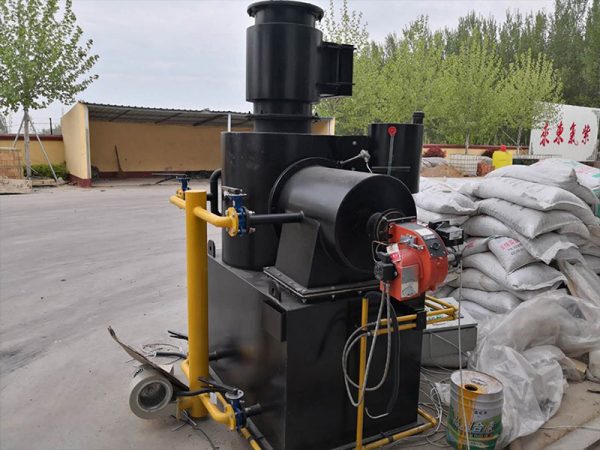
Solve the core procurement problem by tying technical acceptance criteria to service and spare-part commitments; that pairing prevents the common field failures that inflate operating costs. A disciplined, test-backed selection process that weights emissions, turndown, control integration, and local support will deliver reliable performance—precisely the operational discipline that sourcing teams working with Career Burners rely on when verifying supplier claims and planning field deployments.