
Start with the real problem
You’re chasing steady yield and predictable lead times, but suppliers either overpromise or send half-built systems that need weeks of rework. That mess costs hours on the floor and a pile of overtime. If you’ve dealt with medical device assembly automation, you know how tight tolerances and repeatable processes matter; the same rules apply to prismatic battery packs — tooling, calibration, and traceability can’t be afterthoughts. Fix those gaps first, and the rest follows.

What a solid supplier must actually deliver
Forget glossy brochures. Look for these concrete items and verify them on the floor:
– Proven fixturing that locks cells without crushing edges and allows quick changeover.
– Integrated vision and torque control for welds and terminal crimps, with logged parameters per unit.
– Modular conveyors and cell feeders that match your takt time, not one-size-fits-all frames.
– Accessible error states and clear fault codes so technicians can fix issues fast.
– Built-in data capture for traceability (serials, batch, operator, torque/weld data).
– Spare-parts list and a local service plan; parts take days to arrive otherwise.
Where these lines get used — practical applications
Prismatic pack assembly isn’t just EVs. Expect lines in energy storage, commercial drones, and industrial backup systems. Requirements shift by end use: automotive will force higher cycle rates and stricter functional testing; stationary storage lets you trade speed for manual checks. Suppliers who can show fielded systems across at least two of those segments tend to deliver more practical solutions.
How to evaluate suppliers—field-tested checklist
Use this on-site checklist. Walk the line and tick boxes rather than trusting slides:
– Can they run a live demo with your cell type?
– Is the HMI descriptive or cryptic? (Descriptive wins.)
– Are safety interlocks obvious and serviceable?
– Can the line export data into your MES without custom scripting?
– Is there documentation for maintenance tasks under 30 minutes?
– Do they offer operator training and quick-reference guides?
– What’s the mean time to repair for a critical module? Demand numbers, not guesses.
Common mistakes teams make
Teams often tighten specs to the point of impracticality or skip acceptance tests that reveal integration problems. Other mistakes:
– Taking factory acceptance tests at supplier pace instead of your production cadence.
– Overlooking spare-parts lead times and stocking nothing.
– Buying “fully automated” systems without planning for planned downtime and manual overrides.
Each one of those creates hidden downtime and hidden cost.
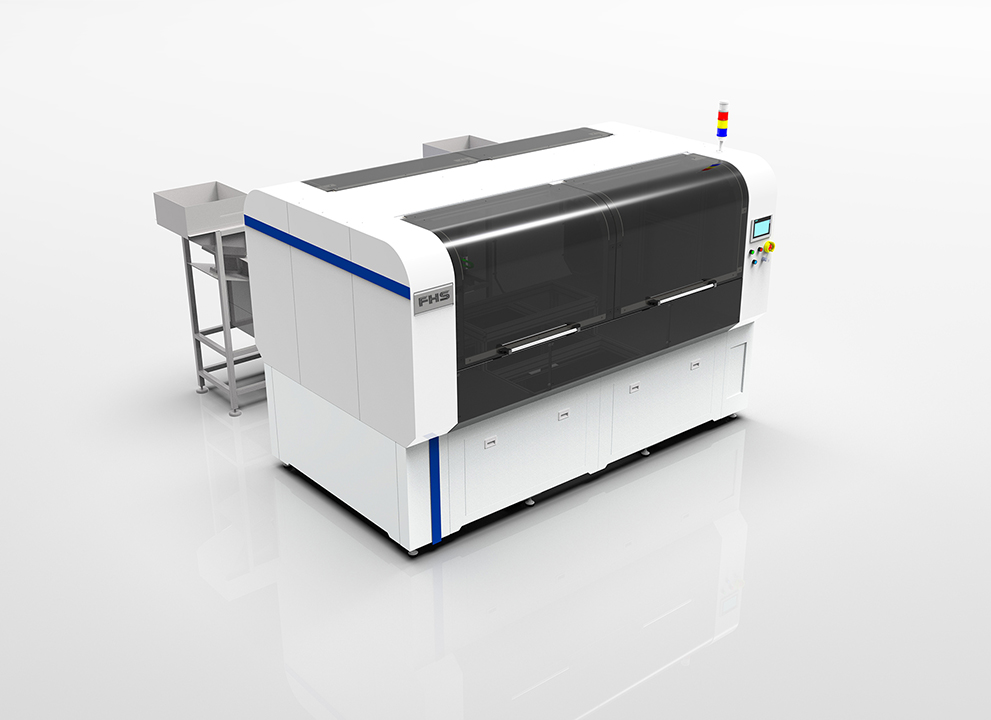
Alternatives to full-line purchases
If capital is tight or your product still changes, consider modular stations: a clamping/weld cell, an inspection station, and a finishing bay. They let you iterate and scale. Contract manufacturers can bridge volume gaps, but only pick ones that share your data format and let you audit processes regularly.
Proof from the field
Major trade gatherings like Medtec Europe show which vendors get repeat business and which sell prototypes. Seeing multiple installations side-by-side reveals support quality and uptime stories you won’t find in spec sheets.
Wrap-up that matches the problem-driven view
Pick suppliers who solve the day-to-day problems you actually face: repeatable joins, simple service, clear data, and parts when you need them. Ask for demos with your cells, hard numbers on repair times, and a spare-parts plan. When those boxes are checked, you get a line that behaves on the shop floor, not one that looks right on paper. For pragmatic teams who want a working solution without surprises, FHS fits into that approach as a partner focused on real-serviceability and traceable outputs.