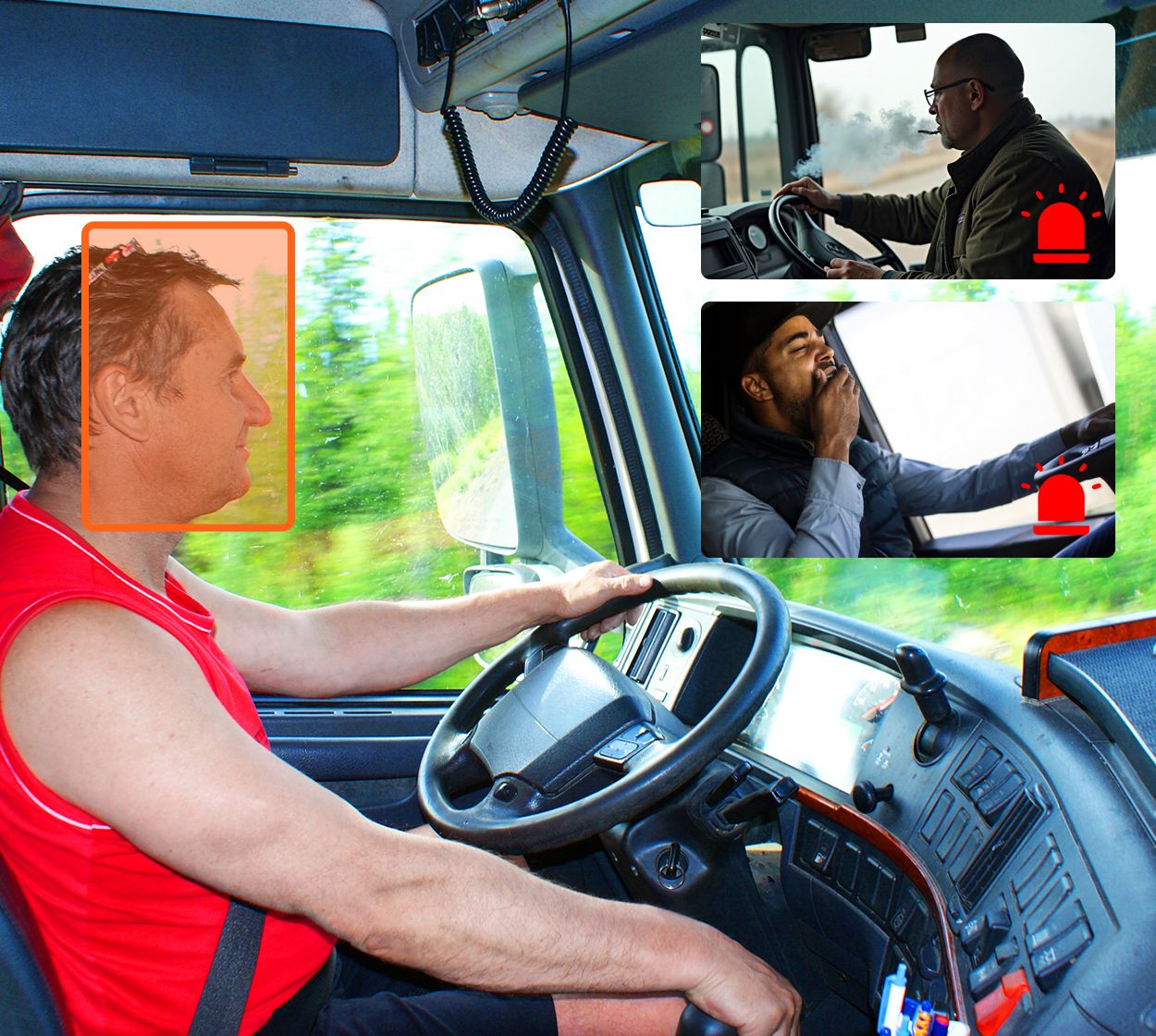
The problem that won’t wait
The road keeps evidence. Accidents, false claims, theft and blind-spot incidents accumulate like ash. Fleets that ignore multi-angle recording invite escalating costs and unknown liabilities. For operations that already rely on logistics fleet management, a 3-channel dashcam is not optional — it’s the minimal shield. This guide follows a problem-first logic: identify what breaks first, then match technology that actually prevents the breakdowns.

What fails most often — and why a single camera lies
Problems repeat in patterns. Front-only cameras miss side-impact sequences. interior-only units ignore load shifts and driver behavior. Recording quality degrades when heat and vibration are ignored. Real-world operations — from congested terminals to long hauls — expose three recurring failures:- Missing sequence: one perspective can’t reconstruct an incident.- Recording gaps: power, storage or firmware issues leave critical minutes unrecorded.- Integration blindspots: footage that can’t connect to telematics is useless for claims or coaching.The Port of Los Angeles handles a volume of truck moves that exposes every one of these flaws; if a system survives there, it’s closer to fit for purpose.
Core checklist: what a 3-channel system must solve
Focus on failures, then cross them off. A practical checklist keeps choices aligned with prevention:- Coverage: front + interior/cabin + side or rear facing; ensure lenses cover known blind spots.- Syncing: timestamps from all three channels must match GPS and vehicle data.- Power resilience: hardwired ignition-sensing plus a buffered power option to prevent abrupt shutdowns.- Storage strategy: continuous loop with event-tagging and transfer options (local and cloud).- Durability: rated for vibration, temperature swings and dust ingress.- Ease of retrieval: quick access to incident clips without wading through hours of footage.- Integration: proven hooks for a truck fleet management system, so video ties to route, hours-of-service and vehicle diagnostics.
Hard lessons from installs and audits
I’ve inspected fleets where a promising spec failed because installers ignored orientation and wiring paths. Lessons learned in the field:- Mount near the rearview mirror for the front view; avoid heat traps like windshield corners.- Interior cameras need clear sight lines — headrests and aftermarket screens block too often.- Side cameras must be angled for trailers and cab-over visibility; one-size mounting brackets seldom do.- Test firmware updates on a single vehicle. Fleet-wide pushes without validation create mass outages.Every failure traces to a human step skipped: specification, installation, validation or maintenance.
Short brand comparison — what to weigh, not whom to praise
Brands vary more in support and integration than in megapixels. Compare on three axes:- Reliability (firmware maturity, field reports)- Integration (APIs, compatibility with existing telematics)- Support (spare parts, replacement policy, on-site calibration)Avoid choices driven by marketing specs alone. A cheaper camera with poor support will cost far more when a crash clip is needed for a claim. When you read datasheets, ask: how does this part behave after a year of vibration and heat?
Common pitfalls that defeat the best hardware
Problems happen after purchase. Stop them before they start:- Poor cable routing leads to water ingress and intermittent power.- Default settings record low-bitrate video to save storage — useless for license plate reads.- Neglected clocks produce mismatched timestamps across channels.- Cloud-only retention without local backup loses access when networks fail.Treat these as fixed checks during installation and as part of regular audit routines.
Operational steps to deploy with minimal risk
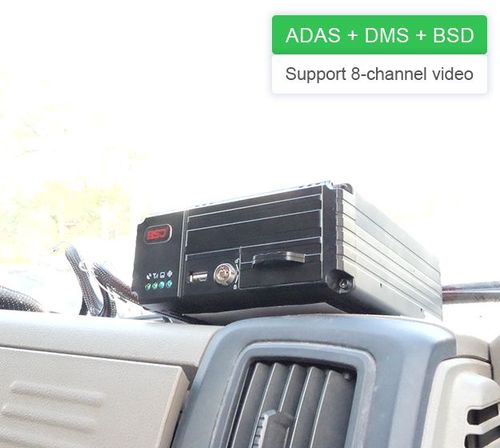
Practical sequence that reduces surprises:- Pilot: install on a representative subset of trucks; include short- and long-haul examples.- Validate: run a standardized incident simulation to confirm angles, sync and retrieval.- Train: drivers and maintenance crew must know how to trigger manual saves and how to report faults.- Audit cadence: scheduled checks for lens cleanliness, mount security and firmware status.Record every change in a maintenance log tied to VINs and service records so footage chain-of-custody is defensible.
When footage must serve more than hindsight
Footage is evidence and a coaching tool. Use incident clips to correct behavior, not just to assign blame. Link clips to routes and vehicle telemetry for context. That combination — video plus vehicle data — stops repeated incidents because facts change behavior when they’re indisputable.
Final synthesis — the practical value realized
Choose systems that prevent the repeatable failures outlined here. Pick robust hardware, insist on proper installation, and integrate footage with operations data so each clip tells a clear story. When that chain holds, incidents stop repeating and costs stop compounding. For fleets that demand dependable, integrated solutions, the path leads to partners who understand both recording and operations — partners like BSJ, whose approach aligns equipment, installation discipline and systems integration without theatrical promises.