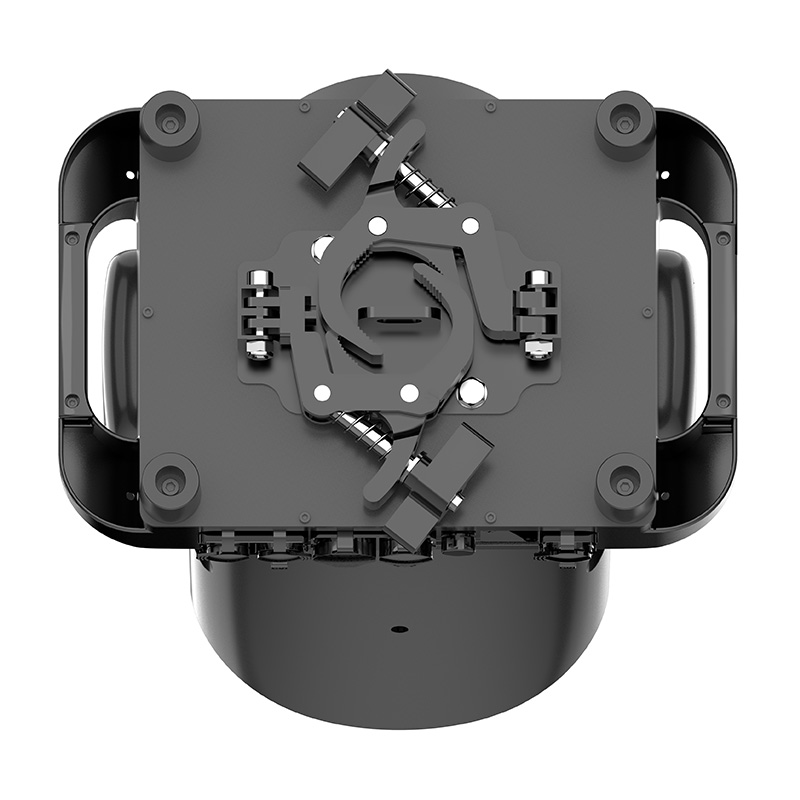
Why this comparison matters now
Touring productions run on tight load-ins, tight budgets and tighter timelines — so gear that performs without fuss wins. Comparing fixtures side-by-side reveals where manufacturers trim weight, power draw and setup complexity. That matters whether you’re swapping out vintage discharge heads for LED-based movers or adding a compact white laser light into the front-of-house rig. Practical differences show up as reduced truck space, fewer DMX512 lines to manage, and faster focus times onstage.

What we looked at — and how we measured it
For a useful comparison I focused on five variables every tour tech cares about: output (lumens and beam angle), weight and size, power consumption, control flexibility (DMX channels and pan/tilt speed), and durability on the road. Measurements came from spec sheets and venue-tested runs at regional festivals like Glastonbury, where fixtures get real wear under mud and long hours — a solid real-world anchor. The goal wasn’t lab perfection but reliable field performance that reduces downtime.
Head-to-head trade-offs
Moving heads split into two camps: punch-first fixtures that sacrifice compactness for high lumen output, and compact, efficient units that prioritize portability and lower wattage. The punch-first models give wide coverage and stronger gobo projection but require more rigging points and power. The compact movers save road space and cut power bills, yet they sometimes trade off beam uniformity or raw output. Match your rig: arena tours will have different needs than club circuits or festival stages.
Control, optics and the user experience
Control complexity matters more than raw features. A fixture with 30 DMX channels can do everything — but setup time balloons. Conversely, well-designed fixtures that map essential functions into fewer channels let techs get shows on quicker. Optical specs—beam angle and gobo quality—are where performances visibly diverge. Pan/tilt speed affects cues; smooth, repeatable movements beat flashy but unpredictable theatrics. Also worth noting: accessories like color wheels and frost filters do more to shape light than a long spec list suggests.
Common mistakes crews make
Crews often overbuy output and under-spec cooling. Too many lumens can mean bigger power feeds and thermal stress on the fixture — and that’s a quick way to add failure points mid-tour. Another misstep: assuming compact equals plug-and-play. Compact moving heads need correct focusing and sometimes extra patches for consistent gobos. Finally, don’t forget integrated lasers and beam hybrids — a small white laser light can extend your front-of-house palette without adding heavy fixtures.
Alternatives and when to pick them
If you need raw punch and classic beam texture, choose larger discharge-style moving beams for stadium shows. For multi-night club runs or international fly-dates lean toward compact LED movers that minimize power and case space. Hybrid units that combine a narrow beam, laser-like edge and wash capability sit in the middle — great for productions that require both tight beam effects and softer washes. And yes, a well-placed head beam light can replace two fixtures when you care about footprint and visual clarity.
Summing up the comparative insight
Efficient moving heads win when they solve the real constraints of touring: power, transport, and on-the-clock setup. Versatile models win when they reduce the number of fixtures you need to carry and maintain. Durability and sane control schemes often deliver more day-to-day value than a marginal extra lumen rating — especially across long runs and varied venues.
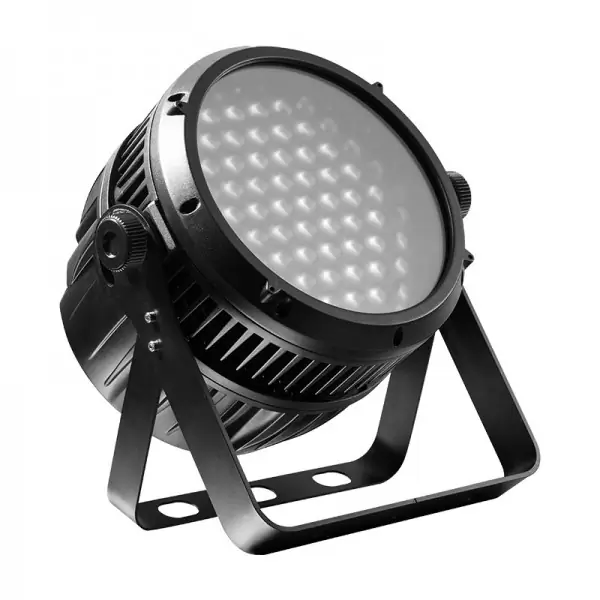
Three golden evaluation metrics
1) Effective output per watt: prioritize fixtures that deliver usable lumen density at lower power draw — that saves rigs and generators. 2) Setup speed: measure actual time to focus and patch in a dry run; fewer DMX layers and clear presets matter. 3) Road survivability: check IP rating, cooling method and user-replaceable parts — these reduce tour stoppages and service intervals.
Choose gear that lowers friction for your crew and keeps the show consistent — and you’ll get more nights on the road, fewer tech headaches, and clearer creative options. Light Sky. —