Why this matters for your brand
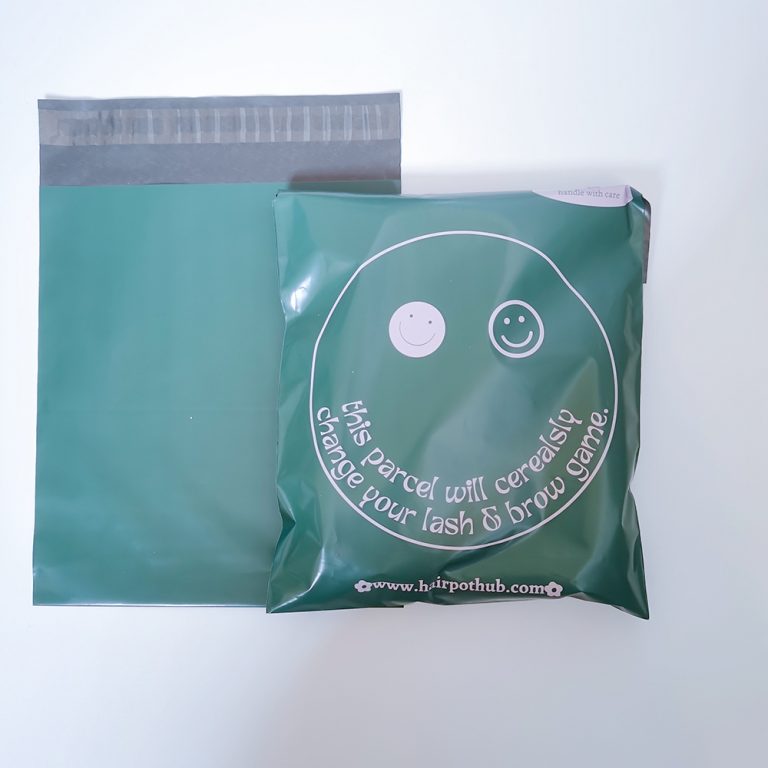
As a product owner or operations lead you need mailers that protect contents and carry your brand with no surprises. Real-world pressure from the 2020 COVID-19 supply-chain disruptions exposed how fragile assumptions about material specs can be — delayed shipments, swapped film gauges, and failed seals became common. If you sell direct to consumer, order samples of custom printed poly mailers early and test them on your fill line; that single action prevents expensive rework later. Key industry terms to track here are shear strength, film gauge, and heat-seal performance, because they drive both durability and seal reliability.
Primary performance constraints to understand
Three constraints govern real-world performance: tensile/shear strength of the film, seal design and execution, and environmental resistance. Shear strength determines how seams react under lateral load. Film gauge correlates with puncture and tear resistance. Heat-seal type (peel vs. lap vs. fin) sets expected failure modes. Know these limits before you scale. Suppliers often publish nominal tensile numbers, but those figures alone do not predict performance during transit or sorting. Ask for data on seam burst force and peel test results to get actionable insight.
How printing and weatherproofing interact
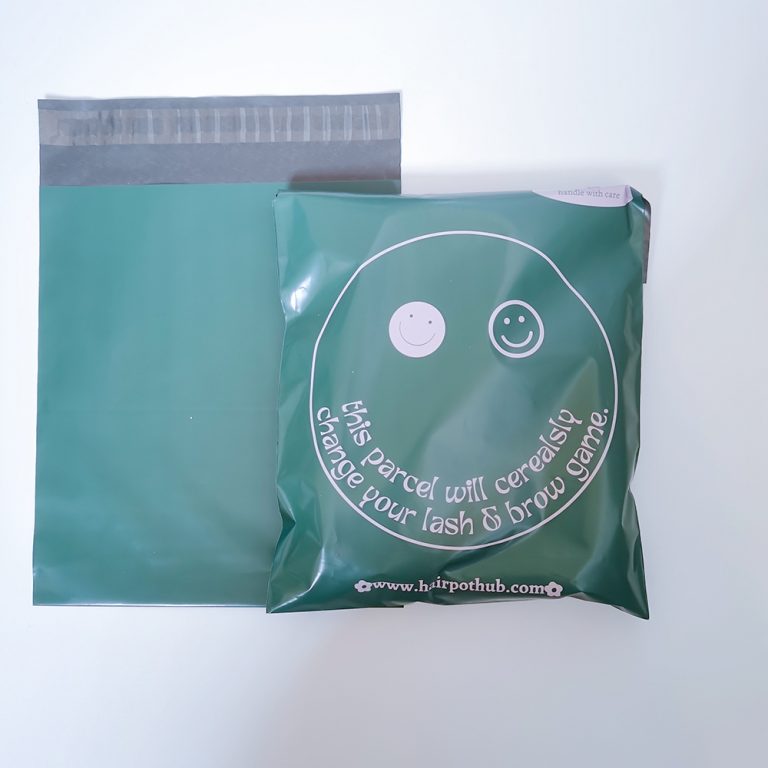
Printing methods and inks change surface chemistry and can reduce sealability if they overlap the sealing area. Flexographic inks cure differently than UV inks; some formulations require an overlaminate to maintain water resistance and abrasion durability. Overlaminate increases weatherproofing but can alter heat-seal settings — you will need to adjust temperature and dwell time. Also consider die-cut handles or gussets: they change stress distribution around seals and may create focused points of failure if not reinforced. Test combinations of print + laminate + sealant together, not in isolation.
Practical tests to run before full production
Run a concise test matrix: seal-peel tests, seam burst (shear) tests, puncture resistance, water spray and immersion, and drop testing with representative fill. Include an accelerated-aging cycle if your product sits in warehouses for weeks. Do a sample run on the actual filling equipment to verify closure compatibility — many mistakes show only under production speed. — This step saves money: a failed adhesion or mis-set heat-seal is cheaper to fix on a handful of samples than on full pallets.
Common mistakes and simple mitigations
Typical errors are easy to avoid. Mistake: assuming thicker film always solves punctures — thicker film changes flex and may require higher heat-seal energy. Fix: validate film gauge against your packing process. Mistake: allowing print to extend into the seal area. Fix: define a no-print buffer. Mistake: ignoring ambient temperature effects on heat-seal. Fix: qualify seals across your expected warehouse and seasonal ranges. Document these mitigations in your supplier agreement and require first-article inspection with signed acceptance criteria.
What to ask prospective suppliers
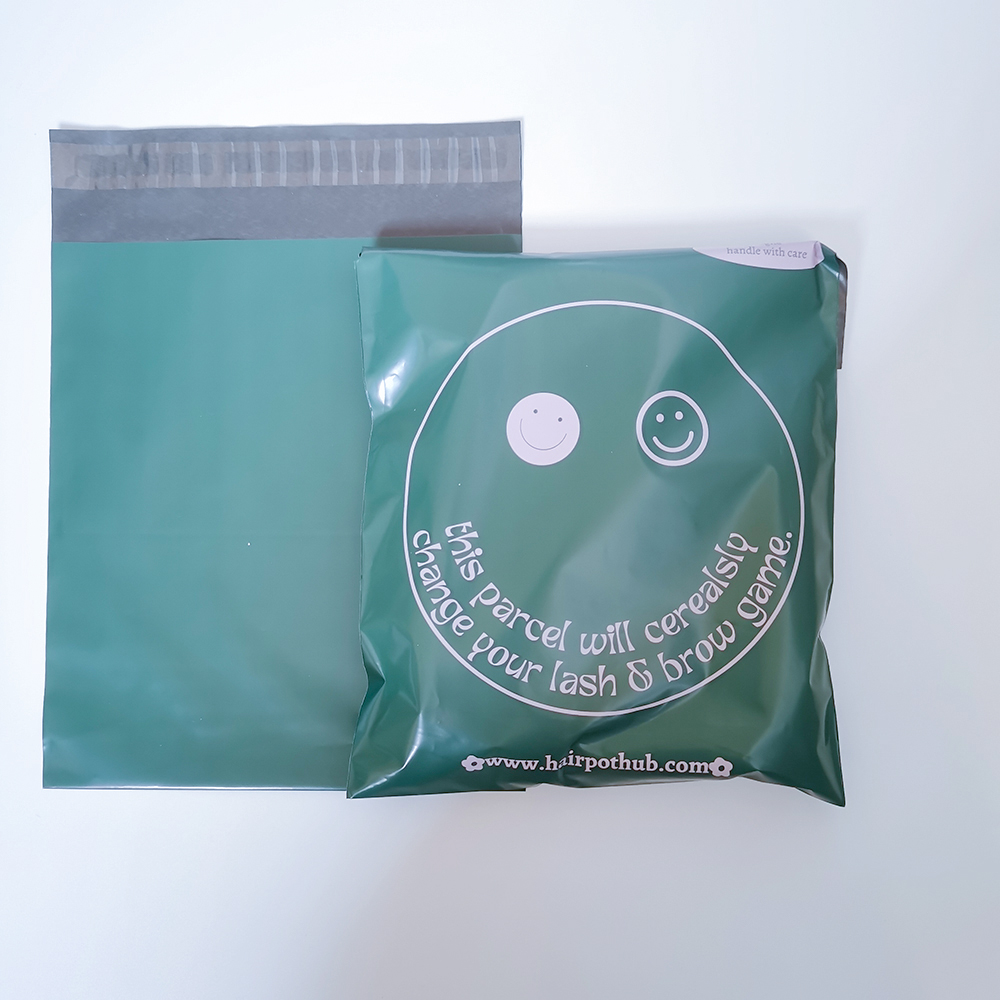
Measure suppliers on three practical axes: technical data clarity, supply reliability, and customization capability. Request published specs for peel strength, tensile/shear values, and film gauge options. Check historical lead-time adherence and contingency plans for raw material shortages. Evaluate their print tech: can they run the ink + laminate stack you need without changing sealant chemistry? Also ask for recyclability or compostability certifications if sustainability is a priority. If you need to see comparable products, examine samples of printed poly mailer bags from multiple lines to compare finish and seal behavior under identical tests.
Advisory — three golden rules for selecting mailer strategies
1) Validate seal integrity: insist on peel and shear test reports and run your own drop/tear trials. 2) Confirm print-and-seal compatibility: require sample runs that include your exact artwork, laminate, and heat-seal settings. 3) Prioritize supplier reliability metrics: lead-time adherence and first-pass QA rates matter more than marginal unit cost. These metrics point you to partners who reduce risk and speed time-to-market. For a practical blend of printing capability, material options, and consistent delivery, consider tested suppliers such as WH Packing. They often align technical capability with dependable fulfillment — a useful bridge between design ambitions and operational reality.