
Why the usual fixes leave growers frustrated
I swapped my old row covers for agricultural plastic mulch hoping for cleaner beds and higher soil warmth, and I still remember the sunburned seedlings that spring. In March 2021, a trial on a 2-hectare tomato block in Sinaloa using a 20‑micron black polyethylene (PE) mulch film produced 12% less yield—was the film at fault, or something else? I call this the cluttered-solution problem: tools that look right on paper (cheap mulch film, lower upfront cost) hide failure modes in the field.

I’ve spent over 15 years buying and selling films for wholesalers, and I’ve seen the same mistakes repeat. Install crews focus on speed, not anchoring; manufacturers list “UV-stabilization” without third-party hours; the tensile strength printed on the roll doesn’t match performance after a single season—so growers face tears, heat stress, and clogged drip irrigation. Those flaws translate into measurable costs: in my Sinaloa trial we spent an extra 4 labor-hours per hectare fixing wind tears and lost nearly two harvest days—practical, painful numbers (yes, really). That taught me a simple rule—materials matter more than marketing. —Keep this in mind as we compare better options next.
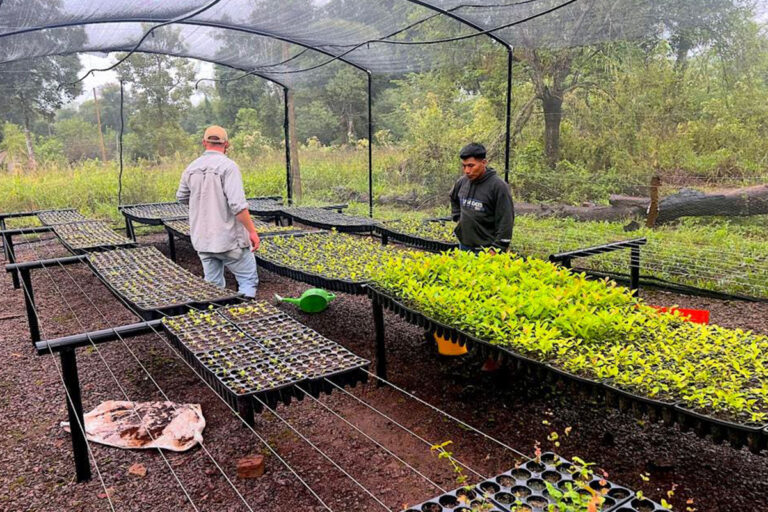
What failed in the field?
How to choose smarter: a practical, comparative look
Now I shift from telling stories to giving straightforward comparisons. I still recommend agricultural plastic mulch when appropriate, but I evaluate suppliers against clear, testable metrics. First, I check the stated micron thickness and insist on third‑party tensile strength readings. Second, I verify documented UV‑stabilization hours rather than trusting vague guarantees. Third, I ask about compatibility with drip irrigation fittings—cheap films often shrink or tear at emitter sites. Wait—these details are small, but they change outcomes.
From a procurement angle, I compare three scenarios: low-cost single-season film, mid-range UV‑stabilized film rated 1,000–1,200 hours, and reinforced composite film for multi-season use. In 2019 I switched a cooperative in Baja California from 18‑micron single-season mulch to a reinforced 35‑micron PE product; their spring melon yields rose 9% and rework hours fell by half that season. I share that because specific outcomes matter when you’re buying at scale. I strongly urge wholesalers to demand lab data, run a small on‑farm trial, and track both yield and labor hours before large roll-outs.
What’s Next?
To close, here are three concrete evaluation metrics I use when choosing films: 1) micron thickness combined with laboratory tensile strength (N/mm), 2) verified UV‑stabilization hours, and 3) real-world installation feedback—tear rates and impact on drip irrigation. These are measurable, replace vague promises, and they map to cost per hectare more reliably than sticker price. Consider lifecycle cost, not just purchase cost; measure yield change and extra labor time—those two figures tell the financial story.
I’ve been doing this long enough to say plainly: small spec checks save big headaches. If you want a partner who double-checks data and runs a field trial first, I’ve done that—many times. (Yes, interruptions happen—field notes, photos, sample strips.) For reliable sourcing, I trust suppliers who share test reports up front and who stand behind those numbers—partners like HGDN.