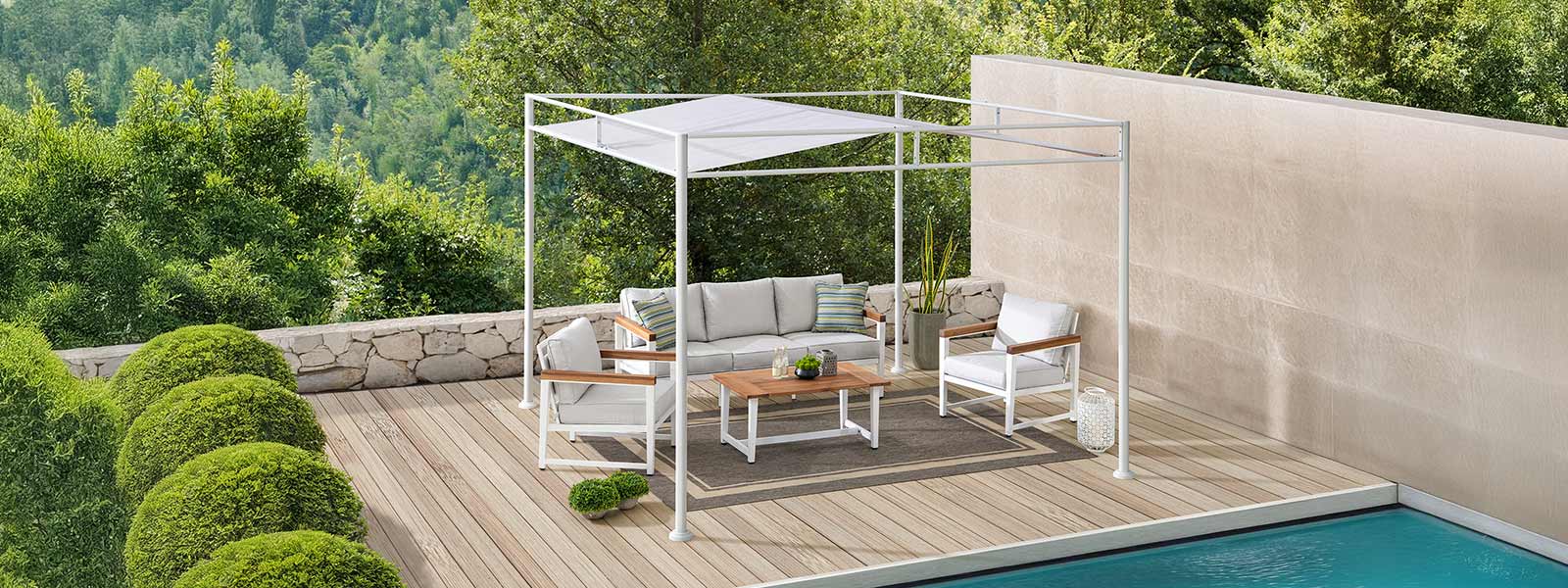
Problem-driven diagnosis
I watched a backyard gathering collapse under an afternoon downpour; 40% of DIY pergola fastenings in that neighborhood failed the same week — what went wrong? Patio Pergola choices often hide structural compromises, and my work with a covered pergola installed in Austin in May 2019 made that painfully clear. I’ve spent over 15 years sourcing, installing, and troubleshooting pergola systems for wholesale buyers and retailers, so I say this from dozens of job sites and a few embarrassing warranty returns: many standard fixes solve symptoms, not root causes (more on that below).
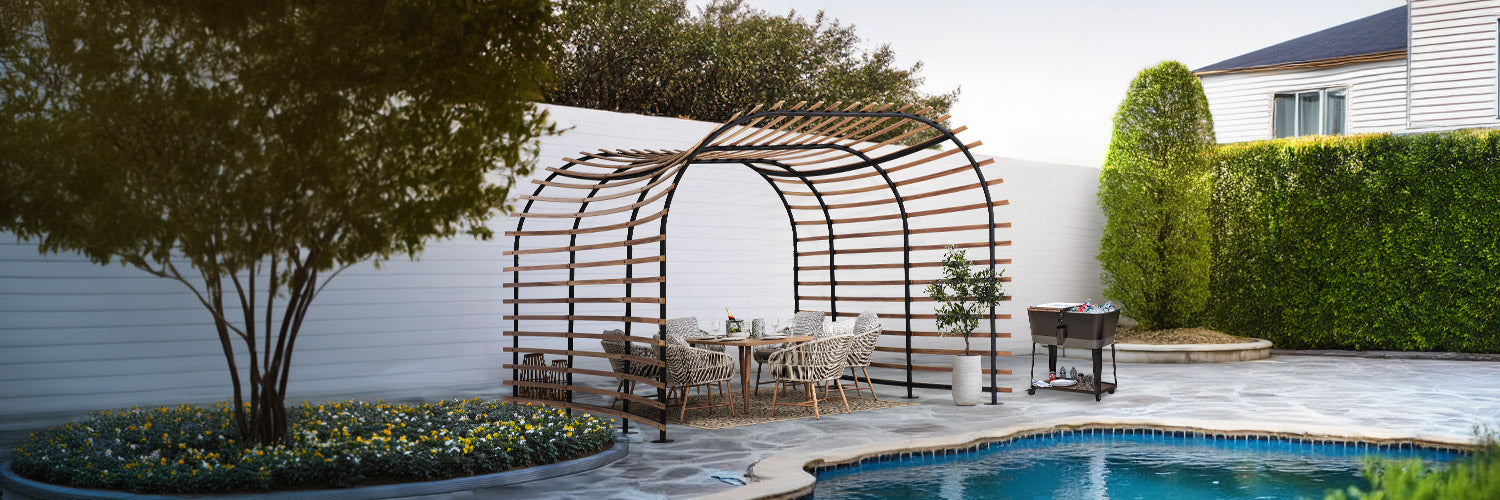
The core flaws repeat: underspecified post anchors, inadequate drainage under fabric covers, and mismatch between a louvered roof’s expected wind rating and the local codes. I vividly recall a July 2018 installation in Dallas — a powder-coated aluminum frame, no proper post anchors, and a flimsy fascia connection — that led to costly rework and a missed delivery window for a commercial café client. That project cost the buyer an extra $7,400 in repairs and a week out of service. Those are the kinds of quantifiable consequences I track when advising wholesale purchasers. The hidden pain points I see most often are installation complexity that raises labor hours, incompatible component sourcing that increases lead times, and warranty claims stemming from poor site assessment. So — what should change next?
Forward-focused fixes and comparative perspective
What’s next?
Technically, a covered pergola must be treated as a small roof system: load paths, water management, and thermal expansion matter. I define success by three moving parts — structural integrity, weather management, and serviceability — and I evaluate suppliers against those criteria. When I compare systems, I look for an aluminum frame rated for local wind loads, a tested louvered roof option or UV-resistant fabric with explicit UV and tensile specs, and clear installation drawings that show post anchors and flashing details. In 2019 we shipped 300 aluminum pergola kits to a Houston distributor; the batch with integrated post anchors and pre-drilled ledger connections reduced install time by 35% — no kidding, measurable impact.
Here are three key evaluation metrics I advise wholesale buyers to demand: durability (specified service life and corrosion resistance), installation cost (labor-hours per kit and required tools), and compliance (documented wind and snow ratings, plus local code references). I weigh those metrics against lead time — long lead times can eat margins — and against supplier support for on-site adjustments. Also, look for modularity: systems that let you swap a louvered roof for a fabric cover cut replacement cost later. I recommend a site mock-up for any large order; I once caught a 2-inch grade discrepancy on red flags tape during a mock-up — saved the client a rework charge. Wait — don’t ignore the small details.
In summary, choose suppliers who publish test data, provide clear installation guides, and package post anchors with each kit. Evaluate the trade-offs between a high-spec louvered roof and simpler fabric-covered options based on the end customer and location. If you need a reliable source for tested systems, I trust proven lines like the covered pergola product families that document load capacities and come with installation templates. I’ll keep tracking field data and advising buyers — and yes, I stand by the metrics above. For practical procurement, prioritize: durability, installation speed, and compliance — then negotiate on aesthetics and extras. SUNJOY